
I run a small mobile dog grooming van, and after working with hundreds of dogs across different neighborhoods, I’ve noticed one thing very clearly: dogs react to smells long before they react to people. Some scents make their tails wag instantly, while others make them freeze or pull back. Over time, I’ve started paying attention to what draws them in and what pushes them away, because it directly affects how calm or stressed they are during grooming.
Why a Dog’s Nose Shapes Everything
A dog’s sense of smell is far stronger than ours, and I see proof of that every day when a dog walks into my van and starts sniffing every corner like it’s reading a story. I’ve had dogs completely ignore me for the first two minutes while they map out the space solely through scent. It’s not random behavior; it’s how they get comfortable in a new environment.
Most owners don’t realize that a dog’s nose can pick up layers of scent that we can’t even imagine, including traces left behind by other animals hours earlier. I remember one nervous retriever who wouldn’t settle until I cleaned a spot where another dog had stood earlier that morning. Once the smell was gone, he relaxed almost immediately.
This is why familiar smells matter so much to dogs. The scent of their owner, their bed, or even their usual walking path gives them a sense of safety that you can’t replace with words or training alone. Smell is their anchor.
Scents Dogs Naturally Gravitate Toward
Over the years, I’ve seen clear patterns in what dogs seem to enjoy smelling, especially during grooming sessions where they’re exposed to different shampoos, oils, and environments. One time, a client asked me to try a new product she found at a dog-grooming supply store, and I noticed her dog immediately leaned into the scent during the bath, rather than pulling away like usual. That kind of reaction tells you a lot.
From my experience, dogs tend to prefer earthy, natural scents over anything artificial. Things like grass, soil, and even slightly musky smells grab their attention. I’ve had dogs roll happily in towels that still carried a faint outdoor scent from being dried outside.
They also seem drawn to food-related smells, which is no surprise. Even a faint hint of chicken or beef in a product can make a dog far more cooperative during grooming. I once used a conditioning spray with a mild oat-and-honey scent, and three different dogs that day kept trying to lick their own fur afterward.
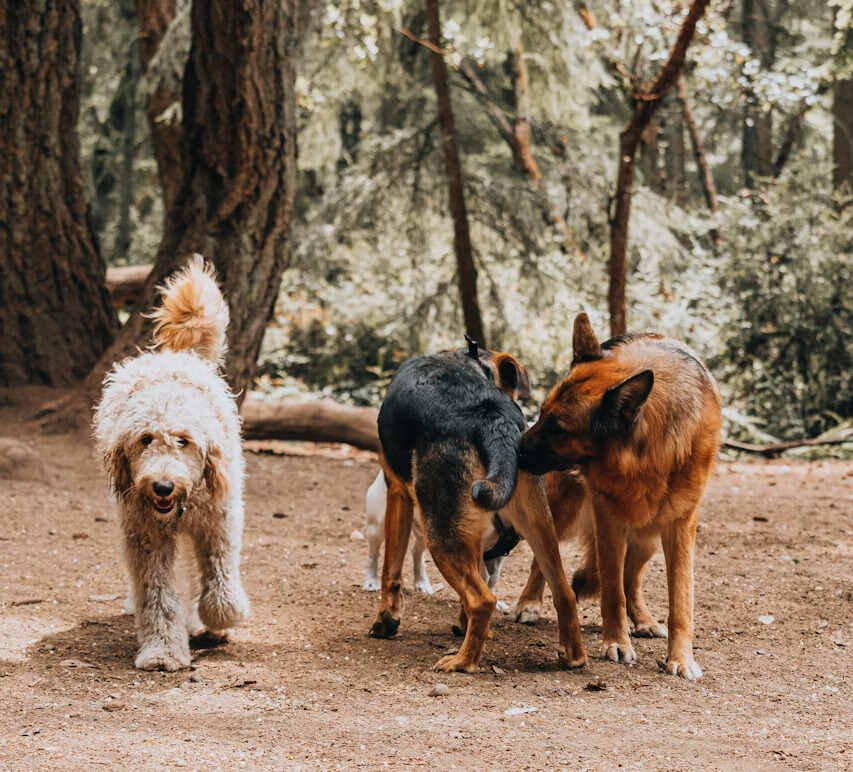
Another interesting category is scents linked to other animals. It sounds odd, but many dogs are curious about the smells of other dogs and even wildlife. That curiosity can turn into excitement or overstimulation, depending on the dog’s temperament.
Scents That Calm Dogs Down
Calming a dog during grooming is half the job, and scent plays a bigger role than most people think. I’ve tested different approaches over time, and certain smells consistently help reduce anxiety. Lavender is one of them, but only in very light amounts.
Too strong, and it backfires. I learned that the hard way with a small terrier who became restless when the scent was too concentrated. Since then, I keep it subtle, just enough to create a soft background smell rather than something overwhelming.
Chamomile-based products also tend to work well, especially for older dogs. I had one senior spaniel who used to tremble during nail trimming, and after switching to a chamomile-infused shampoo, he became noticeably calmer across multiple sessions. It wasn’t magic, but it made a difference.
Familiar scents are often the most powerful calming tool. If a dog comes in with a blanket from home, I always keep it nearby. The smell alone can reduce stress in seconds. It’s simple but effective.
Scents Dogs Dislike More Than You Think
While some smells attract dogs, others push them away immediately. Strong chemical scents are at the top of that list. I’ve seen dogs resist entering the van if there’s even a faint leftover smell from a harsh cleaning product.
Citrus scents are another tricky one. Some dogs tolerate them, but many don’t. I remember a client who loved using citrus sprays at home, but her dog would always seem restless and unsettled. Once she switched to a neutral scent, the dog’s behavior improved within days.
Artificial perfumes can also cause problems. If a grooming product smells too strong or too synthetic, dogs often react by trying to escape. It’s not just about preference; it can actually irritate their sensitive noses.
One thing I always tell owners is this: if a smell feels strong to you, it’s probably overwhelming to your dog. Their tolerance is much lower than ours. Less is better here.
How I Use Scent to Build Trust
Building trust with a dog doesn’t happen through force or speed. It happens through small details, and scent is one of the biggest ones I rely on. When a new dog steps into my van, I let them sniff my hands before anything else. It’s a simple step, but it sets the tone.
I also try to keep my workspace consistent. Using the same mild-smelling products and keeping the environment stable helps dogs recognize the space over time. I’ve had repeat clients who start wagging their tails as soon as they step in because the scent is familiar.
Sometimes, I even adjust my routine based on the dog’s reaction to certain smells. If a dog seems more relaxed with a specific shampoo, I stick with it for future sessions. It’s not about trends or brand names; it’s about what works for that individual dog.
Trust builds slowly. Smell helps speed it up.
At the end of a long day, I notice that the calmest dogs are usually the ones surrounded by scents they recognize or enjoy. It’s a quiet detail most people overlook, but it shapes their entire experience. If you pay attention to what your dog leans toward or pulls away from, you start to understand their world a little better without needing them to say a word.