
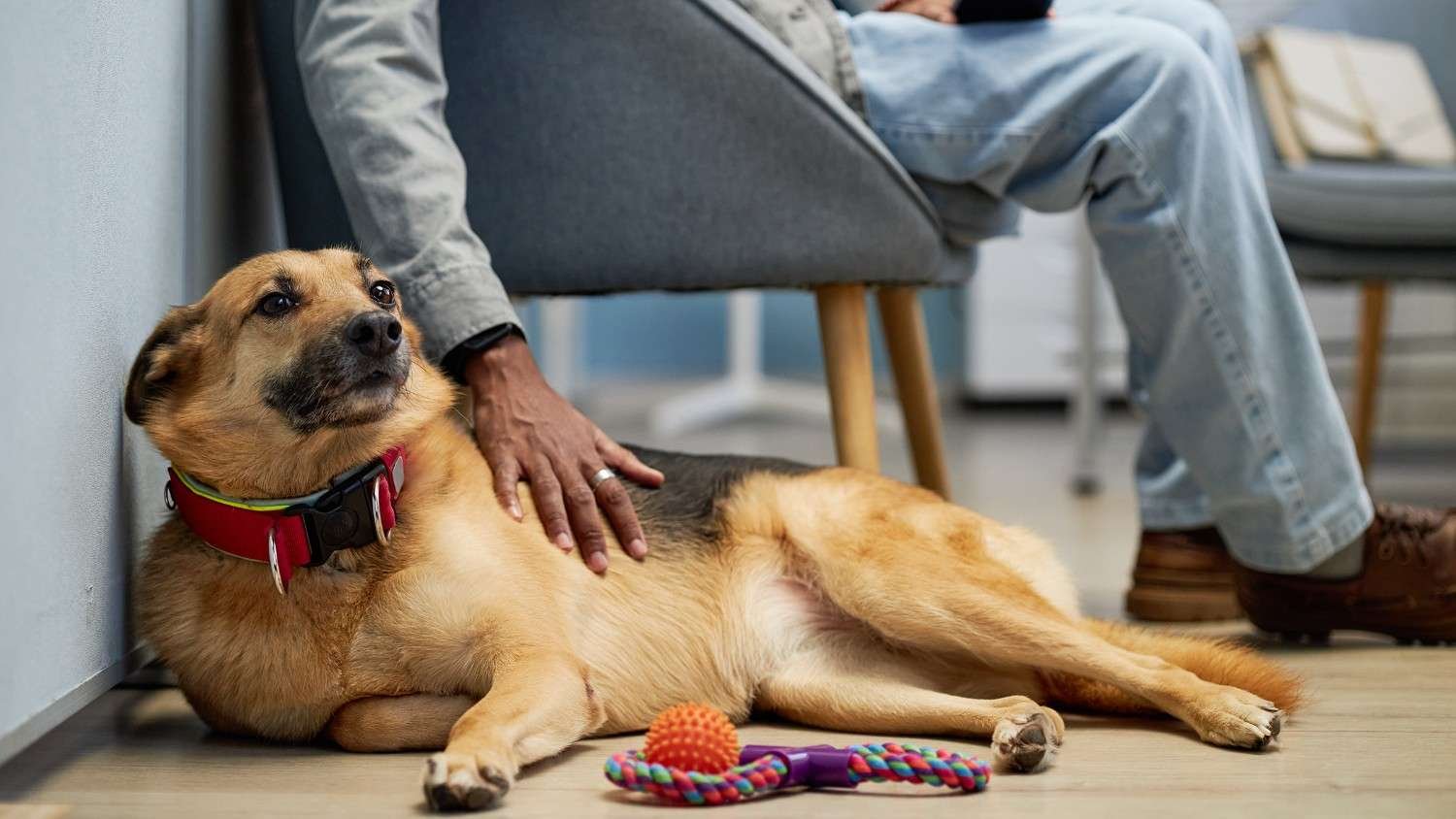
I run a small mobile dog grooming van, and I’ve spent enough time around anxious pets to know when something is off beyond a bad hair day. Stomach trouble shows up more often than people think, and it rarely looks dramatic at first. I’ve had dogs refuse treats, sit oddly, or just stare at the floor like something isn’t right. Those quiet signs matter. Over time, I’ve learned how to respond in a way that keeps things from getting worse.
How I Notice the First Signs Before It Gets Serious
The early signs are subtle. A dog that usually pulls toward the treat jar suddenly backs away, or one that stands calmly on the grooming table starts shifting weight every few seconds. I watch for lip licking, low energy, and that slow tail movement that tells me something feels wrong. One dog I worked with last winter kept trying to lie down mid-groom, which was unusual for him. That was my cue to stop everything and reassess.
There’s a difference between a picky mood and discomfort. I’ve seen dogs skip a meal and bounce back within hours, but a stomach ache tends to linger in their posture. They might hunch slightly or keep looking at their belly. Small details matter here. I’ve learned to trust those patterns more than anything else.
Timing also tells a story. If a dog ate something new within the last 6 to 12 hours, I start connecting dots. I once had a client mention their dog got into leftover spicy food the night before, and by morning, he was restless and drooling. That wasn’t random. It rarely is.
What I Do Right Away to Settle Their Stomach
The first thing I do is stop all grooming activity. Stress makes stomach issues worse, and even the sound of clippers can push a nervous dog over the edge. I move them to a quiet spot in the van or ask the owner to bring them inside where it’s calmer. Sometimes, just reducing noise helps more than anything else.
I don’t feed them right away. That surprises some owners, but giving the stomach a short break often helps. Water stays available, though I encourage small sips instead of letting them gulp. If the owner is unsure what to do next, I’ve suggested they check a reliable local emergency vet clinic for guidance, especially if the symptoms persist for more than a few hours. It’s better to ask early than regret waiting.
In mild cases, I’ve seen improvement within a couple of hours just by resting. No treats. No sudden movement. A calm space does more than people expect. I remember a small terrier who came in shaking slightly. After sitting quietly for about 40 minutes, he started relaxing and even wagged his tail again.
When I Tell Owners It’s Time to Call a Vet
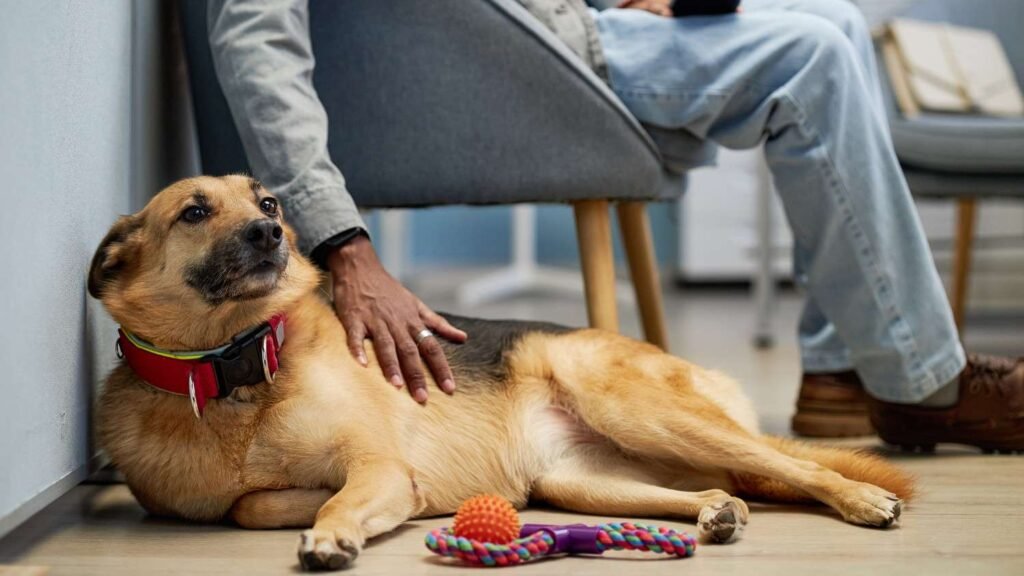
There’s a clear line between when I stop guessing and when I push for professional care. If a dog vomits more than twice in a short period, I don’t wait. The same goes for diarrhea that doesn’t settle, as well as signs like bloating and a tight abdomen. Those are not wait-and-see situations.
Lethargy is another red flag. If a dog won’t stand or reacts sharply when touched around the belly, I step back immediately. I had a case last spring where a dog seemed mildly uncomfortable at first, but within an hour, he became completely withdrawn. That escalation matters. Fast changes are rarely harmless.
Owners sometimes hesitate because they don’t want to overreact. I get that. Vet visits cost money and time. But I’ve also seen what happens when people wait too long, and it’s never worth the risk. A simple check can rule out serious issues like blockage or infection.
What I Suggest for Recovery at Home
Once a vet rules out anything serious, the focus shifts to gentle recovery. I usually suggest a bland diet for a day or two. Boiled chicken and plain rice work well in many cases, though portion size matters. Small, spaced-out servings every few hours are easier on the stomach than one large meal.
Routine should stay simple. No sudden changes, no new treats, and definitely no table scraps. I’ve seen dogs relapse just because someone slipped them a piece of leftover food too soon. Consistency helps the gut return to normal function.
Hydration is key. Dogs don’t always drink enough when they feel off, so I tell owners to keep fresh water within reach at all times. Some add a bit of low-sodium broth to encourage drinking, which can help. I’ve seen that work more than once.
Rest matters too. Keep activity low for at least 24 hours. Even playful dogs need downtime after stomach issues. They don’t take long to bounce back if you give them that space.
I’ve handled enough of these situations to know that most stomach aches pass without drama if you catch them early and stay calm. Dogs pick up on our reactions, and if we stay steady, they tend to settle faster. Sometimes doing less is the right move. Not always, but often enough that I trust it.
