
I run a small dog training setup out of my garage and spend most of my days working with everyday pet dogs who have picked up bad habits around objects. One of the most common issues I see is a dog clamping down on something and refusing to let go. Shoes, socks, trash, and even things that could hurt them. Teaching a reliable “drop it” command changed the way I handle these moments, and I’ve refined my approach over years of trial and error and a few chewed-up belongings.
Why Most Dogs Refuse to Let Go
Dogs don’t hold onto things just to be stubborn. In most cases, they’re either guarding something they value or they’ve learned that grabbing an item starts a fun chase. I remember a client last spring whose young retriever would grab kitchen towels and parade around the house like they were trophies. The family kept chasing him, which only made the behavior worse every day.
There’s also a trust element. If a dog thinks you’ll always take things away and never give them back, they become defensive. That tension builds quickly. I’ve seen dogs go from playful stealing to low growling within a few weeks just because the humans handled it wrong.
Some dogs simply don’t understand the concept yet. They’ve never been shown that letting go can actually benefit them. That’s where structured training comes in, and it doesn’t take as long as people expect if you stay consistent.
How I Start Teaching “Drop It” at Home
I always begin with low-value items. A boring toy works best. If you start with something the dog is obsessed with, you’re setting yourself up for a fight you don’t need. Keep it easy.
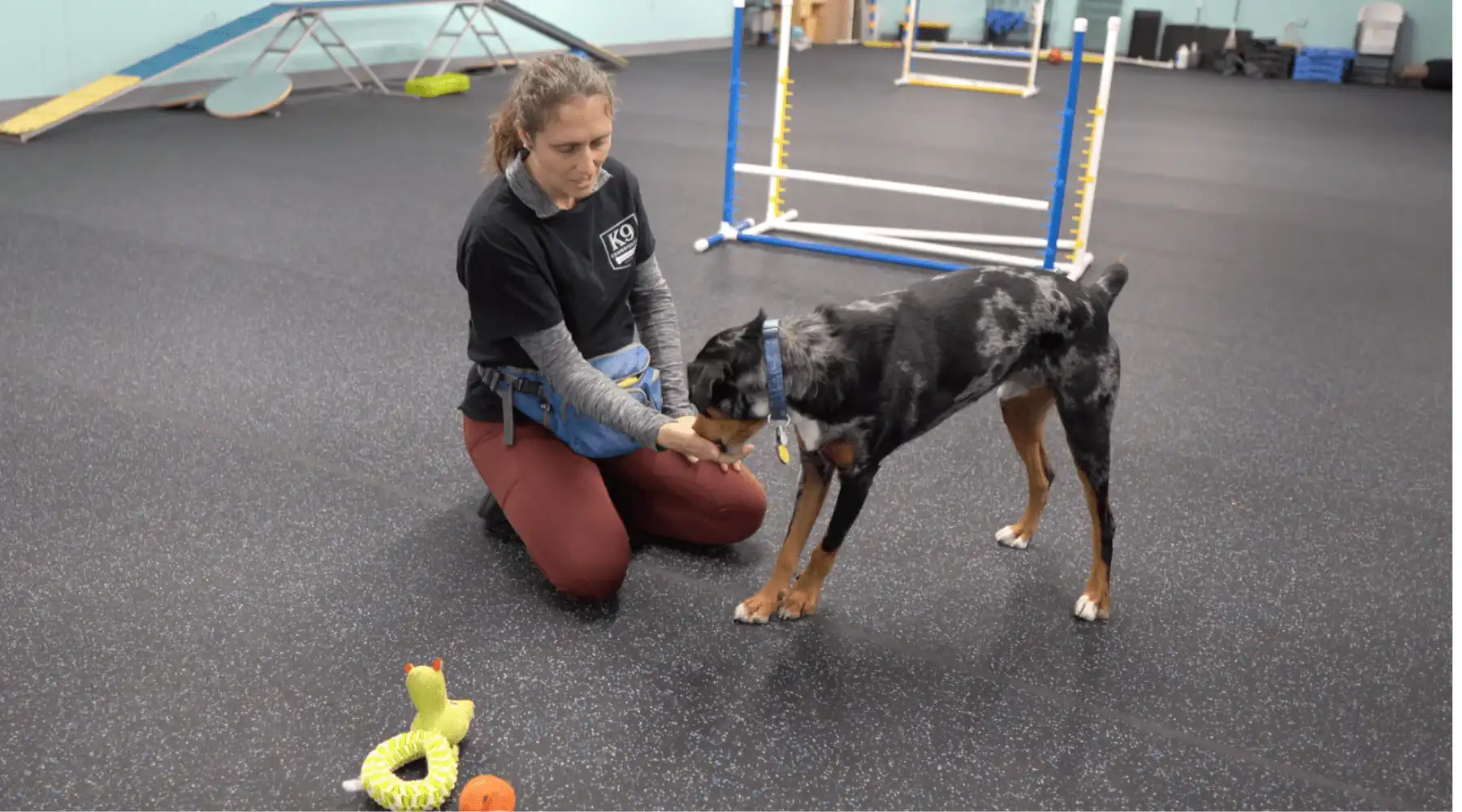
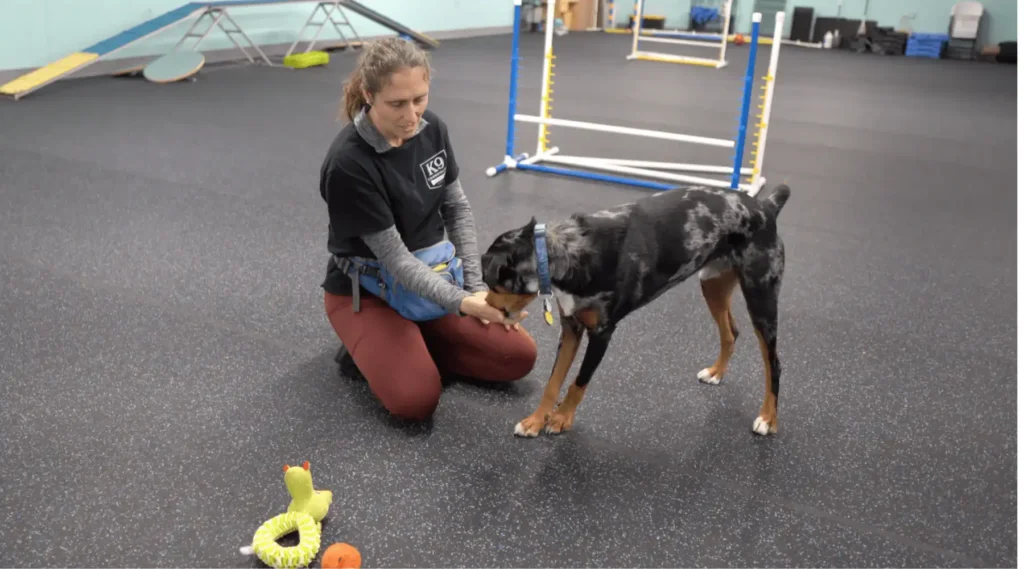
I hold a treat in my hand and let the dog take the toy. Then I bring the treat close to their nose and calmly say, “Drop it.” Most dogs will release the toy within 2 or 3 seconds of smelling the food. Timing matters here. The second the toy hits the ground, I reward.
One of my clients asked for extra reading, and I pointed them toward a helpful dog training resource that breaks down reward timing in a way that clicked for them. They came back a week later with noticeable progress. Sometimes a different explanation helps.
I repeat this about 10 to 15 times in short sessions. No long drills. Dogs learn better in bursts. After a few rounds, I stop before the dog gets bored or frustrated. That restraint pays off later.
Building Reliability Without Using Force
Force is where people go wrong. Pulling objects out of a dog’s mouth or prying their jaw open teaches them to resist harder next time. I’ve worked with dogs that needed weeks of trust-building just to undo that pattern.
Instead, I slowly increase the difficulty. I move from boring toys to items the dog likes more, like a rope toy or a soft chew. The process stays the same. Cue the command, offer a reward, and mark the moment they release.
At some point, I reduce the threat’s visibility. I might keep it in my pocket instead of showing it upfront. This helps the dog respond to the cue itself rather than just the sight of food. It takes patience. No shortcuts here.
Consistency matters more than intensity. I tell owners to practice five minutes a day for a week instead of doing one long session and quitting. That steady repetition builds habits that stick.
Common Mistakes I See All the Time
The biggest mistake is turning it into a game of tug. People grab one end of the object and start pulling while repeating “drop it” louder each time. The dog reads that as play or conflict, not a cue. The result is predictable.
Another issue is poor timing. If you reward even two seconds late, the dog might think they’re being rewarded for something else entirely. I’ve watched this happen in real time, and it confuses the dog fast.
Some owners also overuse the command. They say “drop it” ten times in a row without any follow-through. After a few days, the word loses meaning. I stick to saying it once, then guiding the outcome.
Here’s a short list I share with clients:
– Don’t chase the dog
– Don’t grab the item forcefully
– Don’t repeat the command endlessly
– Don’t skip rewards early on
That simple list prevents most problems before they start.
When the Dog Already Has Something Dangerous
Real life isn’t always a training session. Sometimes a dog grabs something sharp or toxic, and you need it out of their mouth right away. In those cases, I still use the same principle but with urgency.
I go for the highest value reward I have. Something the dog almost never gets. Cooked meat works well. I present it clearly and give the cue once. In many cases, the dog will release immediately because the trade is worth it.
If the dog hesitates, I stay calm. Panic makes things worse. I’ve handled situations where a dog picked up something risky during a walk, and the only reason it didn’t escalate was that I didn’t rush in aggressively.
Training ahead of time makes these moments easier. That’s the whole point. You don’t want to be teaching “drop it” for the first time when it actually matters.
Most dogs can learn this within a week of steady work. Some take longer. The difference usually comes down to how consistent the owner is outside of formal sessions. I’ve seen great results from people who simply stuck with it, even when progress felt slow at first.