
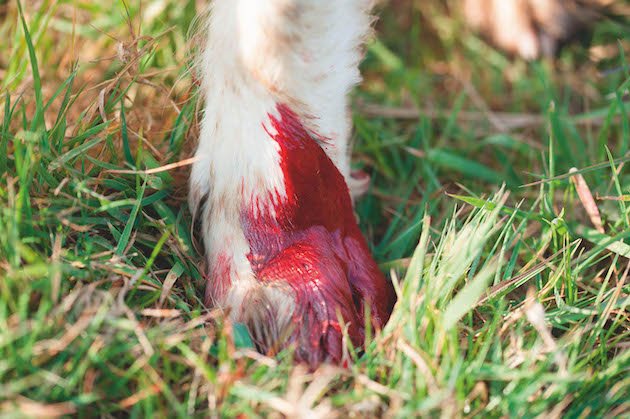
I run a small mobile dog-grooming van, and over the years, I have seen more bleeding toes than I ever expected. It usually happens during nail trims, rough play, or a snag on a fence or carpet edge. Owners panic fast, and I get it, because the bleeding can look worse than it really is. I have had to manage it calmly in tight spaces with a nervous dog and worried owner watching. That experience has taught me what actually works and what just wastes time.
Why Dog Toes Bleed So Easily
A dog’s nail has a quick, a small blood vessel that runs through part of the nail. If that gets nicked, even slightly, it bleeds more than you would expect from such a small area. Dark nails make it harder to see where that quick ends, and I have misjudged it myself early in my career. Even a scratch on the pad near the nail can bleed if the dog has been active or the surface was rough.
I have noticed that dogs with long, untrimmed nails are at higher risk because the quick grows longer over time. Then, when someone finally trims the nails shorter, they cut into that extended quick. A dog that spends a lot of time running on concrete may have tougher pads, but still has sensitive nail beds. The contrast surprises people. Blood shows up fast.
Some breeds are just more reactive. I remember a spaniel last summer that barely got a tiny nick, and the bleeding seemed dramatic for a good minute or two. Meanwhile, a larger shepherd I worked on had a similar cut and barely reacted. Dogs differ. You cannot judge by size alone.
What I Do Immediately When It Starts Bleeding
The first thing I do is stay calm and steady the paw. Dogs read your energy, and if you rush, they pull away harder, which makes it worse. I apply direct pressure using a clean cloth or gauze for at least 30 seconds without checking too soon. That pause matters more than people think.
If the bleeding continues, I reach for styptic powder or a similar clotting agent. There was a time when I recommended a local resource, like emergency pet care services, to a client whose dog was bleeding profusely after several minutes, and that was the right call. For most minor nail nicks, though, a pinch of powder pressed gently onto the tip works within a minute. It stings a bit, so I keep my grip firm but gentle.
If I do not have styptic powder nearby, I improvise. Cornstarch works in a pinch, and I have even used plain flour during a house call where nothing else was available. It is not perfect, but it helps slow things down. Pressure still does most of the work.
I avoid wiping the area repeatedly. That just restarts the bleeding. Let it clot. Give it time.
Tools I Keep Within Arm’s Reach
My grooming kit always has a small container of styptic powder, a stack of gauze pads, and a roll of cohesive bandage wrap. These are not expensive items, but they save a lot of stress in the moment. I also carry a basic nail grinder because it reduces the chance of hitting the quick compared to clippers, especially on dark nails.
Over time, I have added a few extras that make life easier. A headlamp helps me see nail edges clearly in dim lighting, and a simple spray bottle of clean water lets me rinse dirt before applying anything. I learned that after working on a dog that had been digging in a muddy yard right before the appointment. Clean first. Always.
I do not overpack, but I do not go without these basics. One missing item can turn a small issue into a drawn-out situation. It has happened before. Once was enough.
When It’s More Than a Simple Nail Nick
Not all bleeding toes are from nail trims. I have seen torn nails where part of the nail is hanging loose, and that is a different situation. Those cases often require a vet, as an exposed wound can become infected if left untreated. I do not try to fully fix those in the van.
If the bleeding lasts more than 10 minutes despite pressure and clotting powder, I take it seriously. That is not typical. There could be a deeper injury or a clotting issue. I advise the owner to seek veterinary care right away rather than waiting it out.
Swelling, limping, or a dog that refuses to put weight on the paw after the bleeding stops are also signs that something else is going on. I had a client once who thought it was just a nail cut, but the dog had actually split the nail close to the base. That needed proper treatment and a clean wrap, which I could not safely provide in a mobile setup.
How I Prevent It From Happening Again
Prevention is a mix of routine and technique. I encourage owners to trim nails every 3 to 4 weeks, so the quick gradually recedes, making future trims safer. Skipping months at a time almost guarantees trouble. Consistency pays off here.
I also adjust how I handle each dog. Some dogs do better with a grinder, while others stay calmer with quick, clean clips. There is no universal method. I read the dog in front of me and adapt.
Surface matters more than people realize. Dogs that run on rough concrete tend to file their nails naturally, while indoor dogs with soft surfaces need more frequent trims. I ask owners about their dog’s daily routine because it tells me how aggressive I can be with trimming. Guessing leads to mistakes.
Slow and steady wins here. Rushing never helps.
Bleeding toes look dramatic, but most of the time they are manageable with a calm approach and the right tools. I have handled dozens over the years, and the pattern is always the same. Stay steady, apply pressure, use a clotting agent if needed, and know when to step back and send the dog to a vet. That balance comes from experience, and once you have seen it a few times, it stops feeling like a crisis.
