
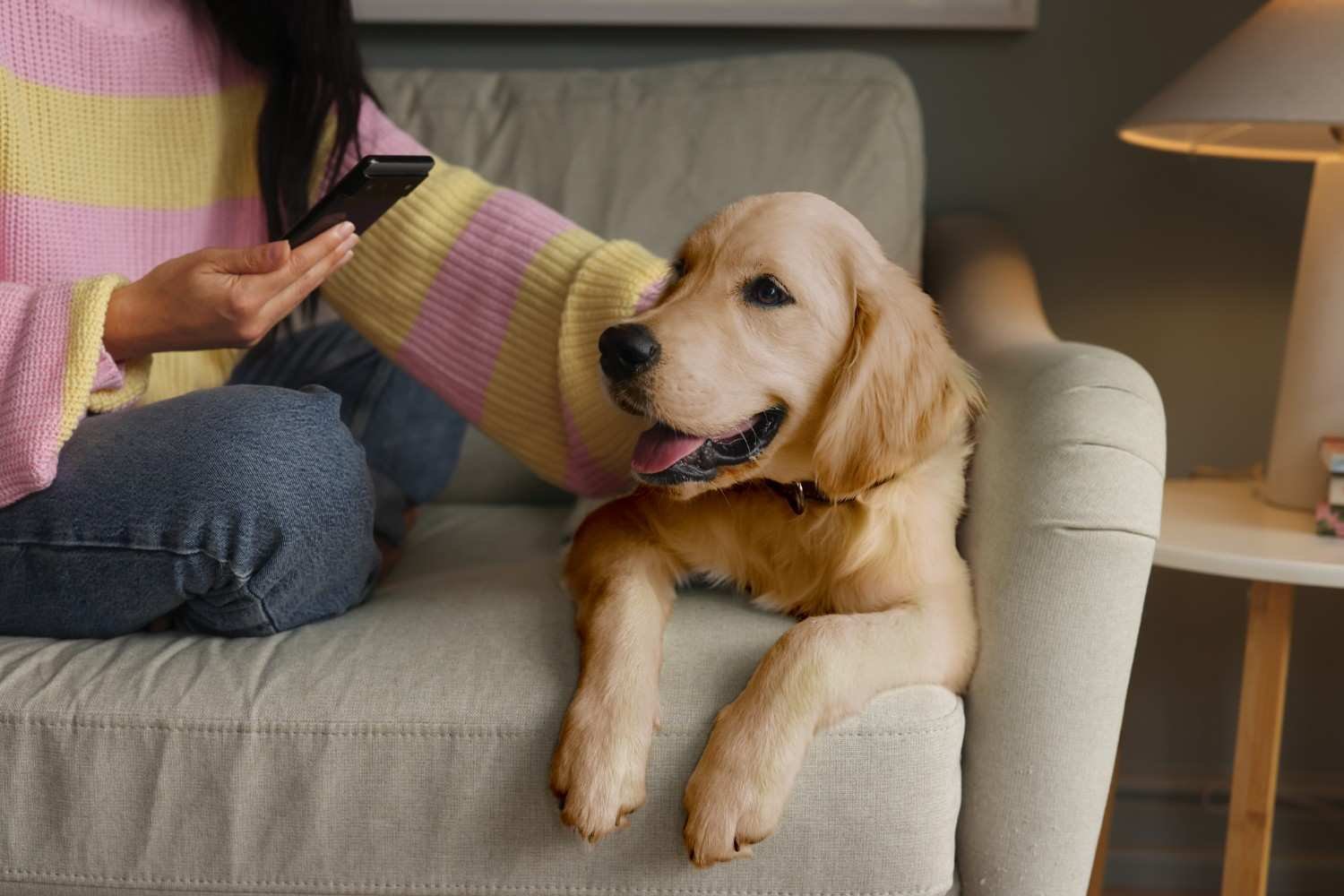
I’m a mobile dog groomer, and I spend most of my week working inside people’s homes or in driveways across small towns and farming areas. One thing I get asked surprisingly often is why a female dog keeps humping a male dog in the house. I’ve seen it happen during grooming visits, play sessions, and even while dogs are just waiting calmly after a bath.
Over the years, I’ve learned it’s rarely about what people assume. The behavior usually has a mix of social, emotional, and sometimes medical reasons behind it.
What I see when female dogs hump a male dog
During one of my regular grooming routes, I visited a household with two mixed-breed dogs: a male and a female, both around 3 years old. The female would suddenly mount the male whenever excitement levels rose, especially after I finished grooming him. It wasn’t aggressive in that home, but it was persistent enough that the owner felt confused and slightly embarrassed. I’ve seen similar behavior in about a dozen homes over the past year alone.
In many cases, it happens during overstimulation rather than dominance struggles. Dogs don’t always follow the human idea of hierarchy in these moments. A lot of owners assume it is sexual behavior, but I’ve found it often appears during play bursts, after bathing, or when guests arrive and energy spikes. One afternoon, I noticed a female dog start humping right after her male companion came back from a short walk, which was simply excitement spilling over in the wrong direction.
Sometimes the behavior is redirected energy. I once worked in a home where the female dog would hump the male every time the owner grabbed the leash. It had nothing to do with the male dog specifically and everything to do with anticipation. That pattern repeated until the owner changed how they prepared for walks and gave both dogs a short, calm-down routine before going outside.
Medical and behavioral reasons, I rule out first
Whenever I see this behavior during grooming visits, I don’t jump to one conclusion. I always start by observing timing, frequency, and triggers. In one household, a female dog began mounting her male housemate shortly after recovering from a urinary tract issue, which made me consider whether discomfort or irritation played a role. Physical causes like skin issues, hormonal changes, or even lingering stress from illness can sometimes contribute.
At this stage, I often recommend speaking with a veterinarian or a certified trainer for a clearer picture. In fact, I usually point owners toward a dog behavior help service when the behavior becomes repetitive or stressful for either dog in the household. I’ve seen situations improve quickly once underlying medical issues were ruled out, and structured training was introduced. It helps separate health concerns from learned behavior patterns that need correction.
Hormones can also play a role, especially in younger dogs or in unspayed dogs. I’ve worked with intact females who showed mounting behavior during certain cycles, though it wasn’t always predictable or consistent. Behavioral specialists still debate how much of this is hormonal versus social communication. What I’ve learned is that every case requires individual observation rather than assumptions based solely on gender.
How I manage it during visits and what owners can do
When I’m grooming at home, and I see mounting behavior start, I don’t punish or yell at the dogs. Instead, I interrupt the pattern calmly and redirect their attention. A simple change like asking for a sit or separating them for a short break is usually enough to reset the moment. I’ve found that the owner’s tension often makes the behavior worse, not better.
I also advise owners to look at the daily structure. Dogs that don’t get enough mental stimulation tend to express excess energy in ways that look inappropriate to humans. One family I worked with had two dogs that would start mounting each other every evening around the same time. Once they introduced puzzle feeders and longer walks, the behavior reduced noticeably within a couple of weeks.
Another practical step is managing excitement triggers. If the behavior happens when someone arrives home or when leashes come out, changing the routine slightly can help. I once suggested to a client that they wait five minutes after coming home before greeting both dogs at once, and the improvement was immediate. Small timing adjustments often make a bigger difference than people expect.
When it signals a bigger training issue
Not every case of a female dog humping a male dog is harmless or purely situational. I’ve seen households where it becomes a repetitive habit that creates tension between the dogs. In those cases, it can shift from occasional behavior to a pattern that affects daily comfort. That’s when I start thinking about deeper behavioral conditioning rather than simple redirection.
There was a home I visited last spring where the female dog would consistently mount the male during any high-energy moment, even during calm indoor time. The owner tried ignoring it, but it didn’t improve over time. Eventually, we worked on structured separation during high-arousal moments and reintroduced controlled play sessions. Progress was slow but noticeable after consistent repetition over several weeks.
Consistency matters more than intensity. Dogs don’t learn from one correction; they learn from repeated patterns over time. I’ve seen owners give up too quickly or swing between ignoring and overreacting, which confuses the dogs further. A steady, predictable response usually brings better results than sudden changes in reaction style.
In my experience, female dogs mounting male dogs is less about a single explanation and more about overlapping causes that depend on context. It can be excitement, stress, learned behavior, or sometimes a medical factor that needs attention. What matters most is watching when it happens and adjusting the environment rather than trying to force a single interpretation onto it.