
I work as a veterinary nurse in a small-animal clinic, where I deal with cats that eat things they really shouldn’t. Whipped cream comes up more often than people expect, usually after a pet owner shares a dessert or lets a cat lick from a bowl. I have seen both harmless curiosity and uncomfortable stomach issues from something that looks so innocent. Over the years, I have learned to take even small dairy exposures seriously in certain cats.
Why whipped cream causes issues for many cats
Cats are not dairy lovers in the way cartoons suggest. Many adult cats lose most of their lactase enzyme as they age, making it harder for them to digest milk-based products. Whipped cream may seem light, but it still contains lactose and fat that can upset a sensitive digestive system. I often remind pet owners that a small lick can still trigger a reaction in some cats.
In my clinic, I see more mild cases than severe ones. A cat might get soft stool, mild vomiting, or just seem a bit uncomfortable for a few hours. I remember a customer last spring who said their cat only licked a spoon after a birthday cake, yet spent the night pacing and refusing food. These reactions are not always predictable, which is why I stay cautious even with small amounts.
Fat content is another part that people overlook. Whipped cream is not just milk; it is concentrated fat that can be heavy for a cat’s pancreas and stomach. I have seen cases where even a small treat led to digestive irritation that took a full day to settle. Some cats tolerate it once, then react badly the next time, which makes it unreliable as a “safe” snack.
What I see in the clinic after accidental dairy intake
Many owners contact us after noticing symptoms a few hours after their cat has eaten something creamy. In those situations, I usually ask detailed questions about timing, quantity, and any previous reactions. One helpful resource I sometimes point people toward is a local veterinary clinic that can assess symptoms early and prevent unnecessary stress. I have noticed that early advice often keeps situations from escalating into full emergency visits.
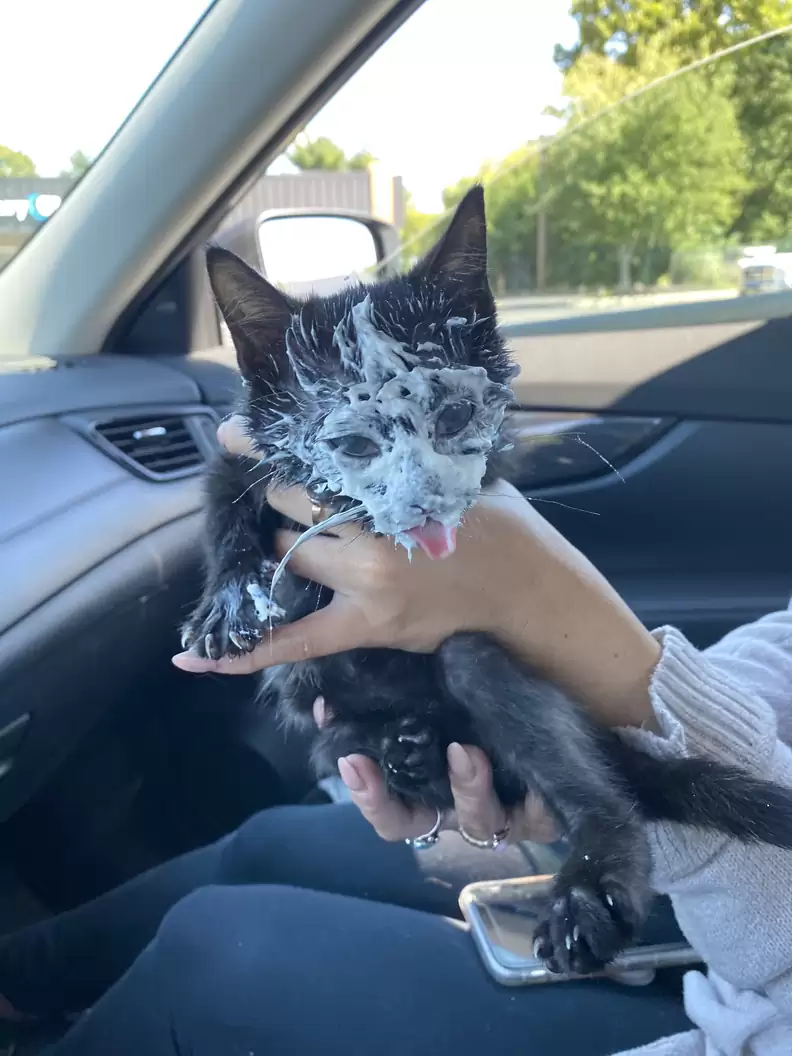
In the clinic, most cases of whipped cream exposure are mild but uncomfortable. Cats may show reduced appetite, slight dehydration, or sensitivity when their abdomen is touched. I remember one quiet evening shift where a young cat was brought in after licking whipped cream off a dessert plate and then refusing food for nearly twenty-four hours. After observation and fluids, the cat recovered without complications, but the owner was surprised that it could happen from something so small.
Occasionally, I see more complicated reactions in cats with existing digestive issues. These cats are already sensitive, so even a small amount of dairy exposure can worsen their condition. I always tell owners that what seems harmless in one cat can be uncomfortable in another, and that inconsistency is part of the risk. It is not about fear, but about knowing individual tolerance levels vary widely.
Safer treatment choices, I actually recommend
When people ask me what they can give instead of whipped cream, I usually redirect them toward safer, species-appropriate treats. Cooked plain chicken, cut into tiny pieces, works well for most cats and is easy on the stomach. Some cats also enjoy small portions of commercial cat treats designed for digestion and dental health. I prefer options that have clear nutritional value rather than empty calories.
Hydration-based treats are another option I often suggest. A bit of unsalted tuna water can be appealing and gentler than dairy-based snacks. I have seen cats respond better to simple protein flavors than anything creamy or sugary. Over time, owners usually notice fewer digestive issues when they switch to these alternatives.
It is also important to consider frequency, not just the type of treat. Even safe foods can cause problems if given too often in large amounts. I usually tell pet owners that treats should stay small enough that the cat finishes them in a few bites and still wants its regular meal afterward. Balance matters more than variety in most cases.
How I handle whipped cream exposure cases
When a cat is brought in after eating whipped cream, my first step is always assessment rather than immediate treatment. I ask about quantity, timing, and any changes in behavior since ingestion. Most cases do not require medication; only observation and, sometimes, supportive care such as fluids or a bland diet are needed. The goal is to let the digestive system settle naturally if symptoms are mild.
I have seen owners panic more than the cat itself in these situations. That reaction is understandable, especially when vomiting or lethargy appears suddenly. In many cases, reassurance and monitoring are enough, and symptoms resolve within a short period. I always emphasize that repeated exposure is more concerning than a single incident.
There are times when I advise closer home monitoring instead of clinic admission. If the cat is alert, drinking water, and only mildly uncomfortable, I prefer to avoid unnecessary stress from hospitalization. However, I make it clear that worsening symptoms like persistent vomiting or refusal to eat should never be ignored. Each case depends on how the cat is actually responding, not just what it ate.
Over time, I have learned that whipped cream is less about toxicity and more about tolerance. Some cats barely react, while others show clear discomfort after a tiny taste. I usually advise owners to treat it as an avoidable risk rather than a harmless indulgence. A cat’s digestive system is simple in some ways, but surprisingly sensitive in others, and that balance guides everything I recommend.