
I spend most of my days working as a mobile cat groomer, moving from home to home in a van full of clippers, towels, and the kind of patience only cats can demand. Over the years, I’ve learned that a cat’s tail is rarely just a tail; it is more like a running commentary on how they feel in that moment. I’ve watched relaxed tails, angry tails, and tails that seemed to argue with the rest of the body entirely. Once you start noticing it, you can’t really unsee it.
Tail position when a cat feels calm or curious
When I arrive at a client’s home, I often get my first clue about a cat’s mood before I even touch them. A tail held high with a soft curve at the tip usually means the cat is confident and open to interaction. I’ve seen this in dozens of homes where cats walk toward me like they are inspecting a visitor they already approve of.
A low but relaxed tail, not tucked tightly, often shows quiet curiosity. I had a customer last spring with a shy tabby who would circle me slowly, tail hovering just above the ground. The cat was not scared; it was just carefully collecting information before deciding I was safe enough to approach further. That slow inspection phase tells me more than any vocal sound ever could.
A puffed-up tail usually signals fear or surprise, so I always slow my movements when I see it. In grooming, that tail shape is a clear sign the cat feels threatened—even if nothing appears wrong.
One of the biggest lessons I learned early in my work is that calm tails are quiet signals, not dramatic ones. A confident cat rarely announces itself loudly; it simply moves with a steady posture and a relaxed tail.
Tail flicking and agitation during handling
In my grooming van, I’ve learned to respect tail flicks more than any other signal. A slow, deliberate flick signals that irritation is building, even if the cat remains still. Fast, sharp movements show clear frustration and tell me I should pause. For a deeper breakdown, I sometimes refer owners to resources like the Cat Behavior Resource that explain these patterns in simple terms.
I remember a long-haired cat I worked with that tolerated brushing for about five minutes before its tail started snapping back and forth. I stopped immediately because I’ve learned that pushing past that point almost always leads to scratches or a sudden escape attempt. That cat didn’t want more attention; it wanted a break, and the tail said it clearly before anything else. Agitation doesn’t always mean aggression; it can also signal overstimulation.
Cats may enjoy grooming at first, then become overwhelmed by too much touch. Their tails warn me before their bodies react. Tail movement is rarely isolated. I observe ears, eyes, and posture as well. A flicking tail with relaxed ears might mean mild annoyance, but with pinned ears, it signals a cat is about to react strongly.gly.
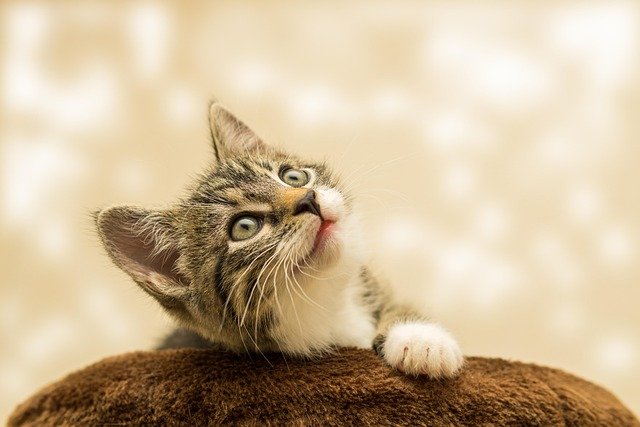
Tail behavior during play, stress, and communication with people. During play, a cat’s tail is animated and expressive. Quick, playful swishes show excitement as the cat tracks a toy or a moving object. It’s not the same as irritation—the rhythm and the rest of the body tell the difference.ody.
Stress changes everything. A tucked tail, especially when paired with a crouched body, usually means fear or uncertainty. I’ve worked with rescue cats that would stay in this posture for the first few visits before slowly relaxing over time. That transformation is usually gradual, and the tail is one of the last things to fully loosen up.
Some cats use their tails almost like a conversation tool with people. I’ve seen cats wrap their tails around my arm while I’m grooming them, which often signals trust and familiarity. Other times, a gentle tap against my hand seems like a polite reminder that they are still paying attention to everything I do. Some cats display what I call the “decision tail”—moving slowly, often pausing, as if unsure whether to approach or retreat.
These moments offer honest insight into a cat’s state of mind. Not every tail signal is easy to read, and I still misinterpret them sometimes. A cat may shift from relaxed to annoyed in seconds, especially if something in the environment changes. That unpredictability comes with working closely with animals that rely more on posture than sound.
What I’ve learned over time is that a cat’s tail rarely lies, but it also doesn’t speak in isolation. It is part of a full-body language system that needs context. When I pay attention to it all together, I make fewer mistakes, and the cats trust me more with each visit.
After years of working hands-on with cats in different homes, I still find their tails one of the most honest indicators of how they feel. Some days they are easy to read; other days, subtle and layered, and that mix keeps the work from ever feeling routine.