
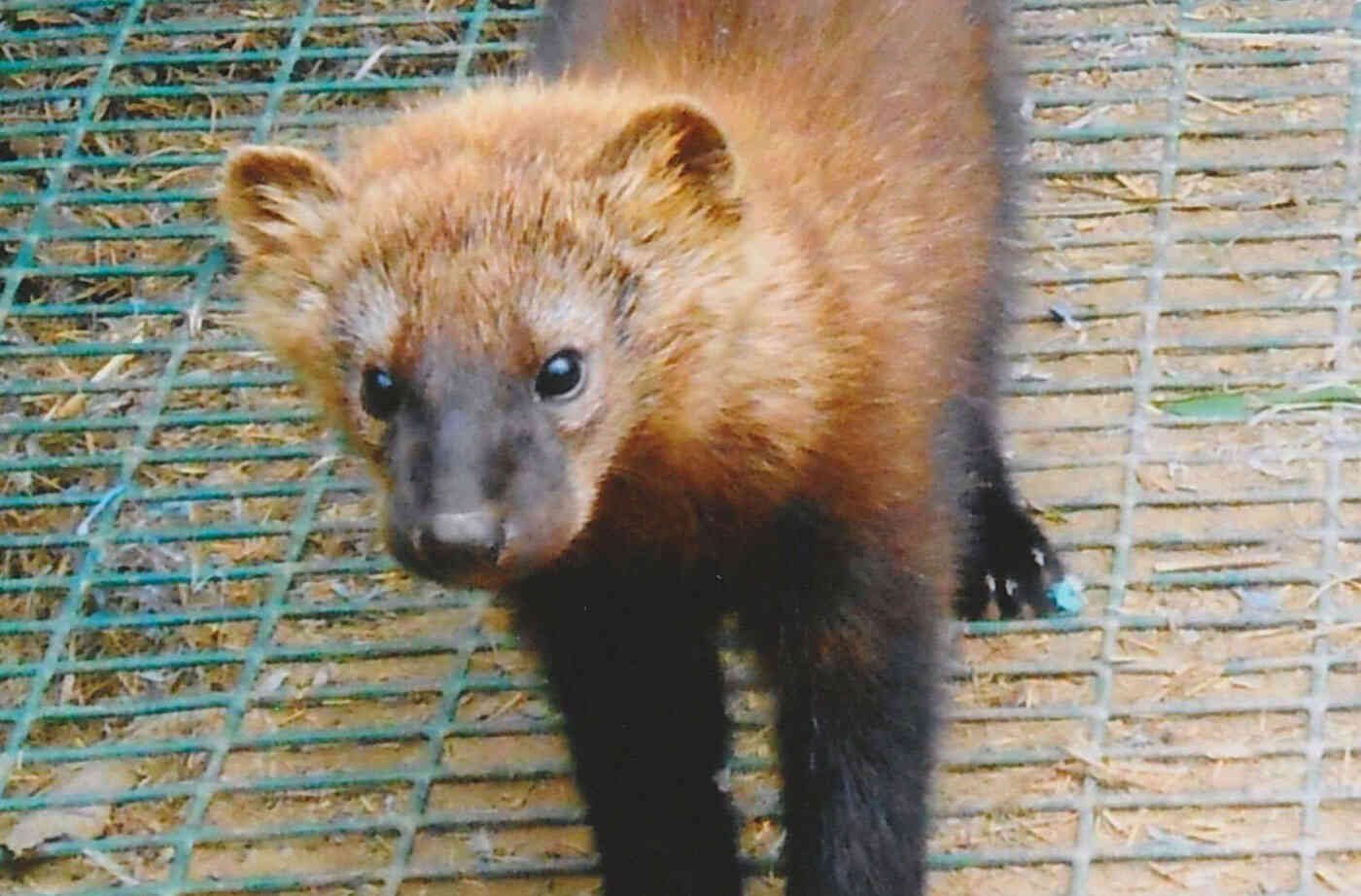
I have worked for more than a decade as a wildlife rehabilitator in rural Pennsylvania, handling everything from injured raccoons to elusive mustelids that most people only hear about. Fisher cats are among the animals people often misunderstand, especially when it comes to water. I still remember the first time I watched one move through a flooded woodland creek behind a property I was called to inspect after a storm. That moment shaped how I now explain their behavior to curious landowners.
Most of my field observations come from early mornings when the forest is quiet, and movement is easier to track along muddy banks. Fisher cats do not usually announce themselves, and that makes their behavior in and around water even more interesting to study. I have seen patterns repeat across different seasons, especially in late spring when water levels rise, and prey activity shifts closer to streams.
Natural Swimming Ability in Fisher Cats
Fisher cats, which are actually fishers rather than domestic cats, are far more capable in water than many people expect. I have watched them enter streams without hesitation, moving with a steady rhythm that looks controlled rather than panicked. Their body structure helps them stay balanced, even in shallow rapids where other animals struggle to keep footing. One encounter near a beaver dam showed me just how comfortable they can be in flowing water.
Yes, they absolutely swim.
In one case, a landowner contacted me after seeing what he thought was a large dark cat crossing a drainage channel behind his barn. I later confirmed it was a fisher moving from one wooded ridge to another, and the crossing involved at least twenty yards of open water. That property was near a small conservation area where I occasionally consult with a wildlife rehabilitation center that documents local mammal movement patterns for research and release coordination. The team there has also noted similar swimming behavior during seasonal tracking work, especially in fragmented forest corridors.
What stands out to me is not just that they can swim, but also how intentional the movement appears when they do. They do not linger in water longer than necessary and usually choose the shortest possible crossing point. I have never seen one play or forage while swimming, which tells me the behavior is purely functional rather than recreational.
How They Use Water in Daily Movement
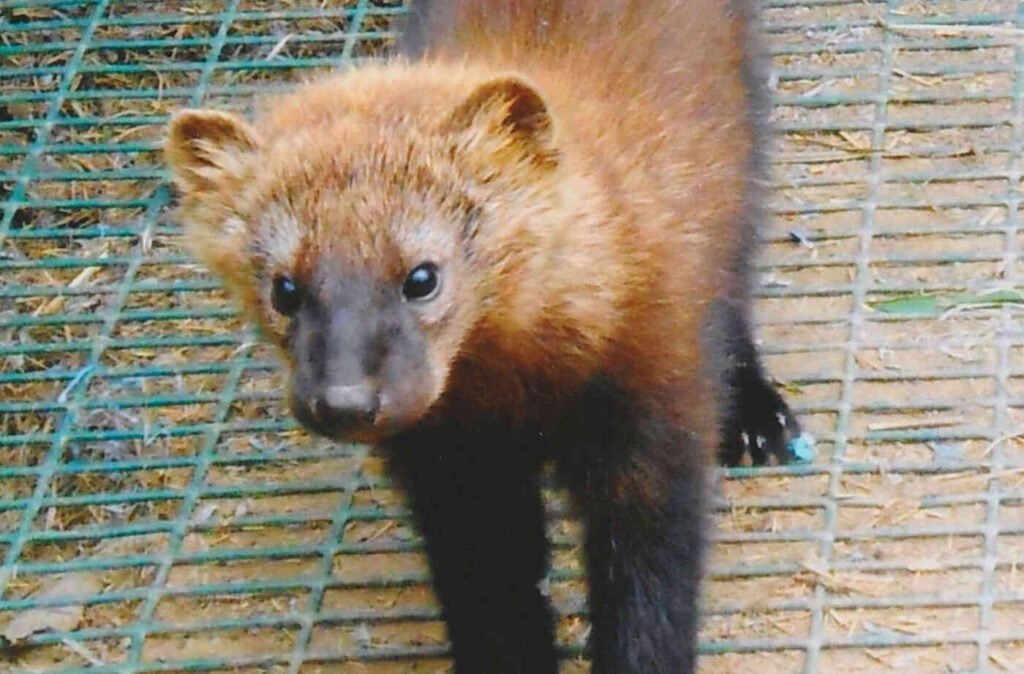
Water is part of a fisher’s territory in a way that surprises people who only associate them with dense forest canopies. I have tracked individuals that routinely move along creek lines for several kilometers, using them almost like natural highways between hunting areas. In wet seasons, those same routes become faster to travel, even if they require multiple short swims.
During one summer survey, I followed tracks along a river edge that showed repeated entries and exits into the water over a roughly half-mile span. The prints suggested the animal was crossing back and forth between hunting zones rather than avoiding the river entirely. That pattern is something I have seen repeated enough times to consider it normal behavior rather than an exception.
I once helped a farmer who was concerned about livestock losses near a marshy boundary on his land. He assumed the predator would avoid the waterlogged sections, but the evidence showed otherwise: clear fisher tracks led straight through the shallow wetland. The animal was likely using the wet ground to approach quietly, taking advantage of softer terrain for stealth movement.
They are strong swimmers.
Their ability to live in water also helps explain how they expand their territory in fragmented landscapes where forest patches are separated by streams or drainage basins. I have observed juveniles dispersing across areas that require multiple crossings, sometimes within a single night. These crossings are not random; they usually align with narrow channels or areas with vegetation cover overhanging the water.
In some cases, I rely on shared field notes from colleagues working in adjacent regions to compare movement patterns. One technician at a monitoring site near a wetland restoration project pointed out that fisher activity increased after water levels stabilized. That kind of observation helps build a clearer picture of how adaptable these animals are in aquatic environments.
Misconceptions and Human Encounters
People often assume that any mammal crossing water is either lost or forced into it, but that assumption does not match what I have seen in the field. Fisher cats challenge that idea because their behavior shows repeated, purposeful use of aquatic routes. I have had several conversations with landowners who initially misidentified them as stray domestic animals until they saw them move through water with confidence.
One night, a call came in about a property owner who heard splashing near his pond and assumed a dog had fallen in. When I arrived the next morning, tracks around the shoreline told a different story, with clear fisher prints leading in and out of the water. The animal had likely been hunting along the edge before moving on, leaving no obvious signs except disturbed vegetation.
These encounters often shift how people think about local wildlife. I have noticed that once someone sees a fisher swim, they tend to re-evaluate their assumptions about forest predators in general. It is not dramatic behavior, but it is efficient and surprisingly quiet, which makes it easy to overlook unless you are paying close attention.
They move with purpose.
Over the years, I have learned that respecting that subtlety is important when interpreting field evidence. Misreading tracks or assuming avoidance behavior can lead to incorrect conclusions about territory size or population density. That is why I spend so much time returning to the same sites across seasons, comparing wet and dry conditions to understand how water influences movement.
I still find new patterns every year, especially after heavy rainfall events that reshape small drainage systems. Fisher cats adapt quickly to those changes, often incorporating new crossings within days. Watching that adjustment happen in real time has been one of the most consistent reminders that these animals are far more flexible than their reputation suggests.
When I finish a long day in the field, I sometimes think back to those early assumptions I had about mustelids avoiding water whenever possible. Experience has shown me otherwise, and each encounter reinforces how little of their behavior fits simple categories. Their relationship with water is not accidental, and it is not rare. It is part of how they move through the landscape every day.