
I run a small in-home pet care service, and over the years, I have handled more diabetic dogs than I can count on both hands. Some belong to long-time clients, others came through referrals after a tough diagnosis. Giving insulin felt intimidating the first time I did it, even though I had handled far more complicated tasks. Now it’s part of my routine, but I still remember what it felt like to hesitate with the syringe in my hand.
Getting Comfortable Before You Even Touch the Syringe
The first thing I tell any dog owner is simple. Slow down. Most of the mistakes I have seen happen in the first week, when nerves are high, and the routine hasn’t settled in yet.
I usually spend the first two or three visits just helping the owner build confidence. We go over the insulin type, the correct dose, and how to draw it up without bubbles. Even small air pockets can throw off the dosage, especially when dealing with fewer than 10 units.
Your dog feels your hesitation. That matters more than people think. A calm hand makes the whole process smoother, while a shaky one turns a simple injection into a stressful event for both of you.
I also make sure the insulin has been stored properly. I once worked with a family who kept it near the freezer vent, and the effectiveness dropped within a week. That kind of detail doesn’t show up until glucose levels stop responding the way they should.
How I Prepare the Injection Step by Step
Preparation is where most of the success happens. I set everything up before I even call the dog over, because once they are in position, you don’t want to be fumbling with caps or checking measurements.
On one visit last winter, I noticed the owner was reusing needles to save money. It seemed harmless at first, but dull needles cause discomfort and can make the dog resist future injections. That habit stopped immediately after we talked it through.
If you need a clear reference outside of what your vet showed you, I have pointed a few clients toward a reliable pet insulin guide that walks through the same preparation steps in a simple format. It helps reinforce what they’ve already been taught without overwhelming them. Some people just need to see it written another way.
Here’s how I personally prep each time:
I wash my hands, roll the insulin gently between my palms about 8 to 10 times, and draw up the exact dose while keeping the vial upright. I double-check the line on the syringe, especially with smaller dogs where even a one-unit difference matters.
Then I keep the syringe nearby but out of sight. Dogs pick up on visual cues fast. Once they associate the syringe with discomfort, they start backing away before you even begin.
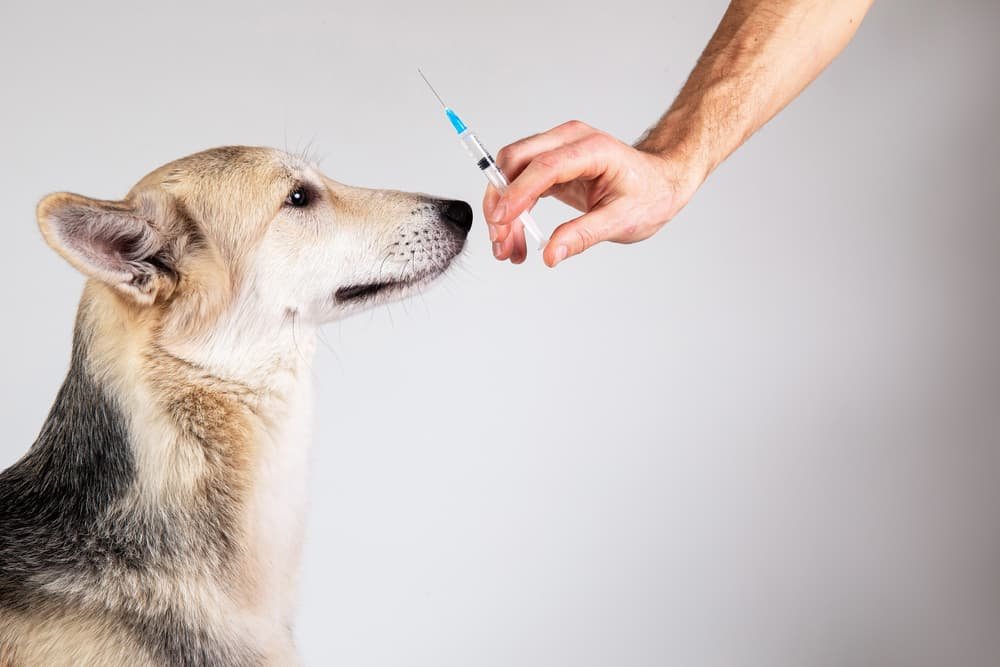
Where and How I Actually Give the Injection
I always go for the loose skin on the back or sides. Most people call it the scruff, but I avoid the exact same spot every time to prevent irritation. Rotating the site makes a noticeable difference over a few weeks.
Pinch, lift, insert. That’s the rhythm I follow. The needle goes in at a slight angle, not straight down, and I keep my movement steady rather than slow.
Timing matters more than speed. Too slow, and the dog starts to react. Too fast and you risk missing the proper layer under the skin. After doing this hundreds of times, I aim for a smooth motion that takes about two seconds from start to finish.
I once worked with a medium-sized dog who would flinch every time his owner approached from the same side. We switched sides and adjusted the angle slightly, and the resistance disappeared almost overnight. Small adjustments can fix what feels like a big problem.
Handling the Dog’s Reaction and Building a Routine
Some dogs don’t react at all. Others act like you just betrayed them. Both are normal.
I usually pair the injection with feeding time. The dog is focused on food, which lowers anxiety and keeps them still long enough to get the job done cleanly. After a week or so, they start associating the routine with something positive.
Consistency helps more than anything else. Same time each day. Same tone of voice. Same general area in the house. Dogs thrive on patterns, and once they understand what’s coming, the struggle fades.
There was a case where a client kept changing the timing by two or three hours each day due to work shifts. The dog’s glucose levels became harder to manage, and the injections became more stressful. Once we locked in a fixed schedule, things stabilized within about ten days.
If your dog reacts strongly, don’t force it aggressively. Pause, reset, and try again calmly. Forcing the moment creates long-term resistance that is much harder to undo than a missed injection.
I still remember that first dog I helped with insulin. I was cautious, maybe too cautious, but it taught me to respect the process. You don’t need perfect technique on day one. You need a steady approach and the willingness to adjust as you go.