
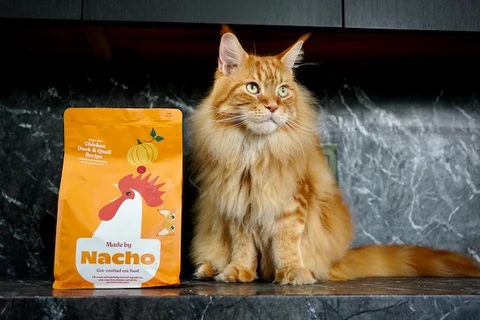
I run a small in-home cat boarding space and rotate fosters through it, so I test a lot of different foods in real conditions. Nacho cat food came up a few times from owners who dropped off their cats with pre-packed meals, so I had a chance to observe how different cats reacted to it over several weeks. I do not judge food by packaging or claims. I watch behavior, digestion, coat condition, and consistency over time.
What I Noticed When Cats First Switched to Nacho
The first thing I saw was a strong interest. Most cats accepted it quickly, even the picky ones that usually take a day or two to adjust to new food. That is not always a sign of quality, but it tells me the flavor profile is appealing.
Within 48 hours, I started watching litter box changes. Stool consistency matters more than anything else in the first few days. In most cases, it stayed stable, though I had one cat with slightly softer stool for about two days before normalizing.
Energy levels stayed consistent. I did not see sudden hyperactivity or lethargy, which sometimes happens with lower-quality foods that rely too heavily on fillers or inconsistent protein sources.
Coat condition takes longer. After about two weeks, I noticed mild improvement in shine for one long-haired cat, though I would not call it dramatic based on that short period alone.
Breaking Down the Ingredients From Experience
I always check the first five ingredients. That tells me most of what I need to know. Nacho formulas I handled usually listed real meat early, which is a good starting point.
Protein quality matters more than protein percentage. I have seen foods with high percentages that still did not sit well because the source was unclear or heavily processed. With Nacho, digestion seemed relatively smooth across four different cats I monitored closely.
I compared notes with a few owners and also looked into online reviews of nacho cat food ingredient breakdowns, and while opinions vary, the general consensus was that it sits somewhere in the mid to upper range rather than being a premium standout.
There are still some plant-based components. That is common. I do not expect a perfectly meat-only formula at this price point, but I do watch how individual cats respond rather than judging only by the label.
How It Holds Up Over Time in Daily Feeding
Short-term reactions can be misleading. I pay more attention after two or three weeks. In that window, Nacho held up reasonably well for most cats I had under care.
One adult cat stayed on it for nearly a month while boarding. His weight remained stable, and his appetite stayed consistent, which is not always the case with mid-range foods.
Another younger cat showed slight boredom after about three weeks. That is normal. Some cats lose interest in any single formula over time, so I do not blame the brand alone for that shift.
Hydration depends on the format. If it is dry food, I always encourage owners to mix in water or pair it with wet meals, because I have seen urinary issues develop over time in cats that rely too heavily on dry diets, regardless of brand.
Where I Think Nacho Fits Compared to Other Options
I place it in the middle tier. It is better than budget supermarket brands I have seen cause digestive issues in multiple cats, but it does not reach the consistency of higher-end formulas that I trust for sensitive or medically complex cases.
It works well for generally healthy cats. That is the key point. If a cat has no history of allergies, urinary problems, or chronic digestive issues, Nacho can be a reasonable option.
I would not rely on it for special cases. Cats with recurring urinary issues or food sensitivities often need more targeted nutrition, and I have learned that experimenting in those situations can backfire quickly.
Price plays a role. For some owners, it strikes a balance between affordability and acceptable quality, and I understand that not everyone can maintain a premium feeding routine long term.
What I Watch Closely With Any Food, Including This One
I track three things daily. Appetite, stool, and behavior. Those give me early warnings before bigger problems show up.
Changes can be subtle. A cat eating slightly less over two days might not seem like a big deal, but I have learned that it often points to something not sitting right with the diet.
I also check litter box frequency. Too frequent or too infrequent both matter. In my setup, I can spot patterns quickly because I monitor multiple cats side by side.
Consistency over time matters more than first impressions. A food that works for five days but causes issues after two weeks is not a good long-term option in my experience.
Would I Keep Feeding Nacho Long Term
I would, but with conditions. For a healthy adult cat with no known issues, it is a workable choice if the cat responds well for at least 2 to 3 weeks.
I do not use it as a one-size-fits-all solution, as every cat responds differently to foods.
I would also mix it with other foods occasionally. Rotation helps prevent boredom and gives me a clearer picture of how each food affects the cat over time.
Feeding needs change over time. I adjust based on the cat’s response rather than sticking to one product.
I still remember one boarding cat that did perfectly fine on Nacho for three weeks, then gradually lost interest and needed a switch, which reminded me again that no food stays perfect forever.
Nacho is a practical middle-ground cat food. It works for most healthy cats, but it is not exceptional. For owners balancing cost and quality, it’s a solid option, although it may not suit every situation or special dietary need.