
I’ve spent the last decade working as a cat sitter in and around small neighborhoods outside Lahore, and I’ve walked into more quiet homes than I can count where a single cat sits by a window doing nothing for hours.
People often ask me whether that cat is lonely or just naturally independent, and I’ve had to learn the difference the hard way by observing real behavior rather than making assumptions. Some cats clearly thrive alone, while others start showing signs of stress that are easy to miss at first. The question of whether cats need a friend is not as simple as it sounds.
Solitude in cats and what it really looks like
I remember a gray tabby named Bruno who lived alone in a two-room apartment with an elderly owner who worked from home. Bruno would sleep most of the day, move between the sofa and the balcony, and only become active at night when everything was quiet. At first glance, he looked perfectly content, but subtle changes in his grooming and appetite told a different story over time. Cats don’t always show loneliness in obvious ways, and that makes interpretation tricky.
In some cases, solitude actually suits a cat’s temperament. I’ve seen independent cats become stressed when another animal enters their territory, especially if they were never socialized as young. The idea that every cat needs a companion doesn’t match what I’ve observed across dozens of homes. Some cats simply prefer predictability, routine, and a controlled environment without disruption. That preference is real, even if it surprises new cat owners.
Still, I’ve also seen the opposite pattern, where a single cat becomes overly clingy or develops destructive habits, such as scratching furniture more aggressively or vocalizing at night. These behaviors are not always about boredom, but they can signal a lack of stimulation. The challenge is separating personality from environment. That line is thinner than most people expect.
What I’ve seen in multi-cat homes
As a local cat sitter, I often get called to homes where owners decide to adopt a second cat, thinking it will automatically solve loneliness. One family I visited last spring had adopted a younger kitten for their older cat without considering temperament, and the first week was tense with constant hissing and avoidance behavior. Over time, they adjusted, but it took patience and structured introduction routines that many people underestimate. For readers seeking trusted guidance on feline behavior and care, I often point them toward ASPCA resources because they explain social dynamics in a grounded way without overpromising results.
Not every pairing works out smoothly, and I’ve seen households where cats coexist but never truly bond. They share space, food areas, and sleeping zones, yet maintain emotional distance. That’s still a functional arrangement, even if it doesn’t match the ideal of close companionship people imagine. In those homes, the benefit is more about reduced isolation than genuine friendship. It’s a subtle difference, but an important one.
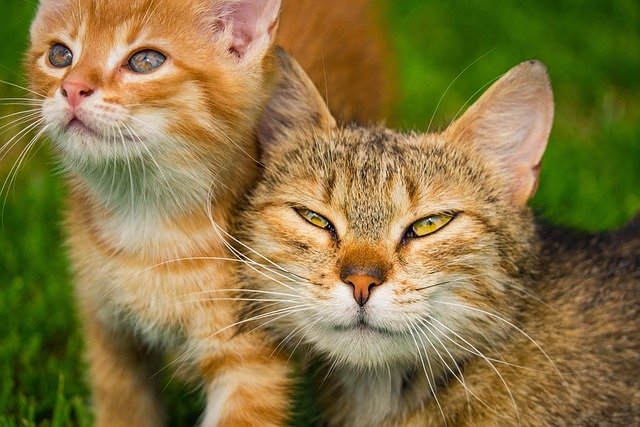
On the other hand, I’ve also seen cats form genuine attachments that resemble sibling behavior. They groom each other, sleep intertwined, and even wait for one another before eating. Those cases usually involve early socialization or compatible personalities introduced at the right time. It’s not guaranteed, but when it happens, the difference in energy inside the home is noticeable.
Signs a cat might want company
One of the clearest indicators I’ve learned to watch for is changes in routine. A cat that suddenly becomes more vocal, starts pacing at night, or follows its owner from room to room more intensely might be signaling unmet social needs. I’ve had clients describe their cat as “needy out of nowhere,” but in reality, the behavior often develops gradually. Cats communicate discomfort in small patterns rather than sudden shifts.
There was a young white cat I cared for who began sitting by the door for long stretches after her owner returned to full-time office work. She didn’t destroy anything or act aggressively, but her stillness felt different from relaxed resting. That kind of behavior is easy to overlook unless you take the time to observe the daily rhythm. Not every case means a second cat is needed, but it does suggest something in the environment has changed.
It’s also worth noting that age plays a role. Younger cats generally have more social energy, while older cats often prefer predictability and minimal interaction. I’ve seen senior cats become visibly irritated when a playful kitten is introduced too late in life. In those situations, forcing companionship can create more stress than benefit. Compatibility matters more than intention.
My honest take from years inside cat homes
After years of moving through different homes and seeing both successful and failed pairings, I’ve stopped thinking in terms of whether cats “need” a friend in a universal sense. Some do better with a companion, especially if they are energetic or have been social from an early age. Others become more relaxed and stable when they are the only animal in the space.
The most reliable pattern I’ve noticed is not about quantity but balance. A cat that has enough stimulation, attention, and environmental variety often doesn’t show strong signs of needing another cat. That stimulation can come from play, interaction, or even structured alone time that respects their rhythm. The presence of another cat is just one possible form of enrichment, not a requirement.
I’ve learned to advise people to observe first before rushing into adoption decisions. A second cat can improve life in some homes and complicate it in others, and the difference usually shows up in the first few weeks of introduction. Watching behavior closely during that period tells more truth than assumptions ever will. One quiet evening can reveal more than a week of expectations.
In the end, cats don’t follow a single rule about companionship. They adapt to what is around them, sometimes surprisingly well and sometimes not at all. My experience has taught me that the real question is not whether cats need a friend, but whether the specific cat in front of you would benefit from one, given its history and temperament.