
I have been running a small boarding kennel for over a decade, and I have seen firsthand how fast parvovirus can move through a group of dogs if you are not careful. It is one of those illnesses that teaches you hard lessons early. The first time I dealt with it, I thought I had my cleaning routine locked down. I was wrong. Since then, I have paid close attention to how it spreads and what actually puts dogs at risk.
Direct Contact Isn’t the Only Problem
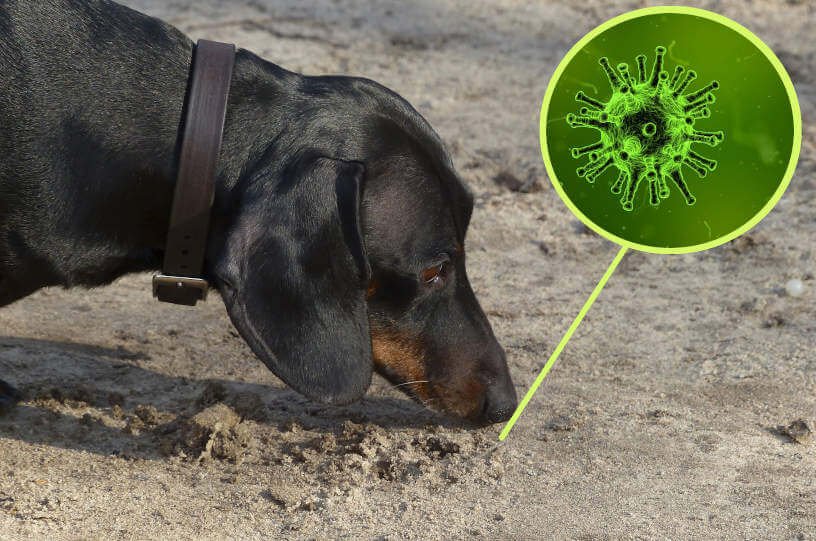
Most people assume dogs have to touch each other to pass parvo. That is not how it usually plays out in real life. The virus lives in an infected dog’s feces, and even a small trace can carry enough viral load to infect another dog. I have seen a case where a puppy became ill after walking through a yard that had been used by an infected dog days earlier.
In my kennel, I separate dogs by age and vaccination status, and I still treat every shared surface as a risk. Food bowls, concrete floors, and even the bottom of a shoe can carry the virus. It survives longer than most people expect. On a cool surface, it can remain active for weeks, sometimes longer if it is protected from sunlight.
One winter, I had a situation where no dogs had direct contact, yet two pups got sick within three days. That told me everything I needed to know. Transmission does not need face-to-face interaction. It just needs a pathway.
How Indirect Transmission Catches People Off Guard
This is where most owners slip up. They think keeping their dog away from sick animals is enough, but parvo is stubborn and can spread through objects and people more than you might expect. I always tell new clients that their shoes can be just as risky as another dog’s if they have walked through a contaminated area.
I once pointed a worried client toward a parvo transmission guide because they could not understand how their vaccinated older dog stayed fine while their new puppy got infected within a week. That kind of situation is common, especially in homes where visitors come and go or where dogs share outdoor spaces with strays.
There are a few common carriers I have learned to watch closely:
Hands that have handled another dog, especially at parks or shelters. Shoes that have stepped in contaminated soil. Equipment such as leashes, crates, or grooming tools that have not been properly disinfected.
Each of these seems harmless on its own. Together, they form a chain that is easy to overlook until a dog gets sick.
Why Puppies Get Hit the Hardest
Puppies under six months old are the ones I worry about most. Their immune systems are still developing, and their vaccination schedule leaves small gaps in their protection. I have had litters come in for boarding where one pup fell ill while the others showed no symptoms for days.
It spreads fast in young dogs. Very fast. A puppy can go from playful in the morning to lethargic by evening, and by the next day, you are dealing with vomiting and severe diarrhea. I have seen owners caught completely off guard because the early signs are subtle.
Vaccination helps, but timing matters. If a puppy misses a booster or is exposed too early, the protection is not as strong as people assume. That is why I ask for full vaccination records before accepting young dogs into the kennel, even if it means turning away a booking.
Environmental Survival Makes It Dangerous
Parvovirus is not fragile. It is one of the toughest viruses I deal with in this line of work. Regular soap does not kill it. Many household cleaners do nothing against it. That reality changes how you think about sanitation.
I use a bleach solution at a specific ratio and let it sit on surfaces for at least 10 minutes. Rushing that step is a mistake. I learned that after a cleanup job that looked spotless but still led to another infection a week later.
Outdoor areas are even trickier. Grass and soil can hold the virus longer than you would expect. In one case, I closed off a small yard section for nearly a month after a suspected exposure, just to be safe. That may sound excessive, but it is easier than dealing with another outbreak.
Human Movement Plays a Bigger Role Than People Admit
I used to think my cleaning routine was enough. Then I started tracking how people moved through the kennel during busy weeks. That is when I noticed patterns that explained past infections.
Staff would move from one section to another without changing footwear. Clients would bring in their dogs after visiting a dog park earlier that same day. Even delivery drivers would step into areas where dogs had access. Each of these moments created a small risk, and over time, those risks added up.
Now I enforce simple rules. Separate shoes for work areas. Hand washing after handling different dogs. Restricted access to certain zones. These steps are not complicated, but they make a noticeable difference.
I learned this the hard way. You probably will too.
Parvovirus does not need much to spread, just a small opening in your routine or a moment of carelessness. Once you understand how it moves, you start seeing those weak points everywhere, and that awareness is what keeps dogs safe in the long run.
