
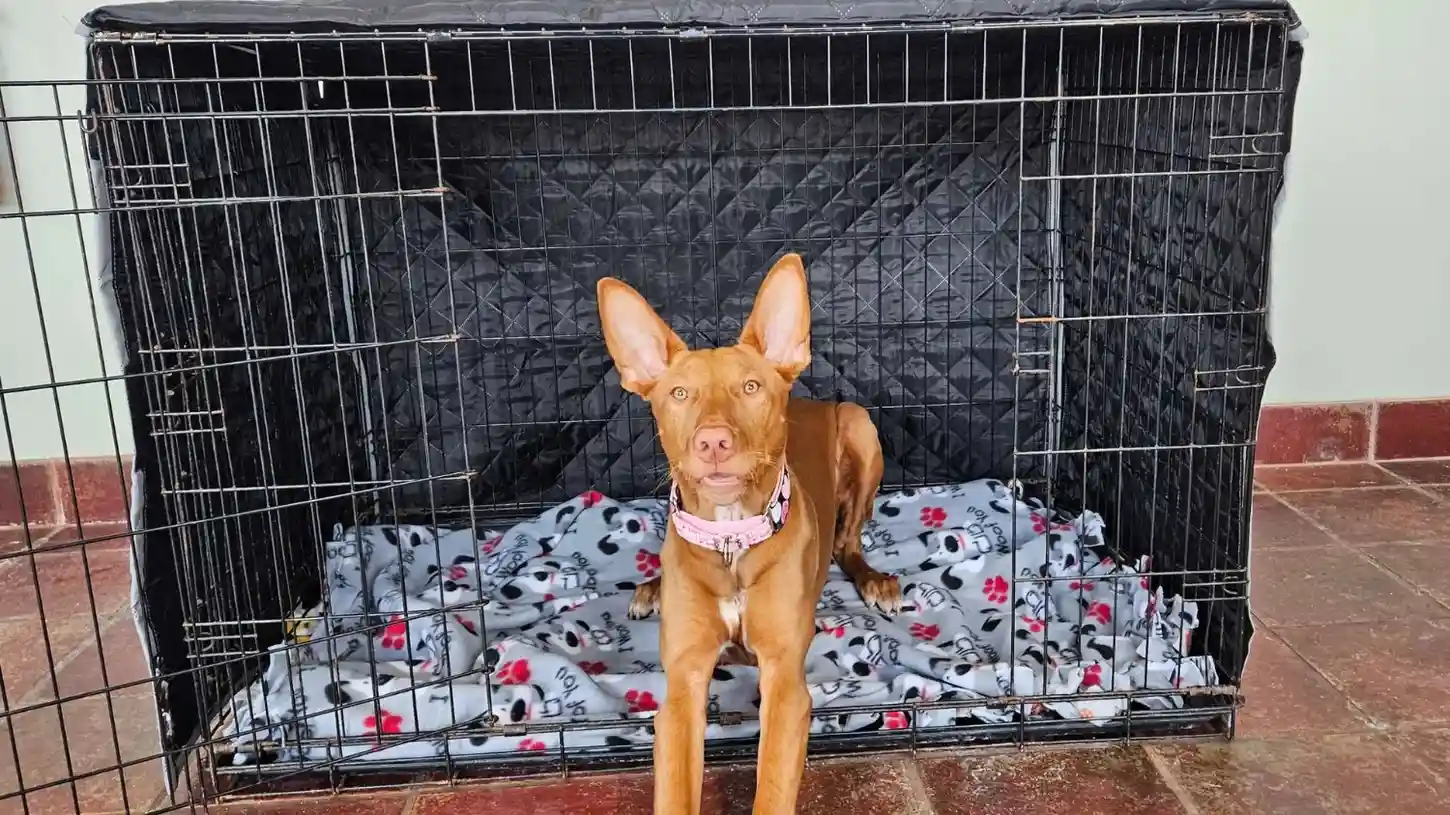
I run a small boarding and training setup outside a farming town, and I spend a good chunk of my day opening and closing dog cages. Some dogs walk in calmly and wait for the latch to click. Others watch every movement of your hand and tense up the second the door swings shut. After years of handling nervous rescues, stubborn working breeds, and older dogs with strange habits, I learned that closing a cage properly matters more than most people think.
Why the Way You Close the Door Matters
A lot of people slam the cage door without realizing how loud it sounds from inside. Metal crates can echo harshly, especially in garages or tiled rooms, and I have seen confident dogs start to avoid the crate after a few rough experiences. I usually guide the door with one hand and keep the latch steady with the other so there is no sudden bang. That extra second helps.
Dogs notice patterns quickly. If every cage closing means you disappear for eight hours, some dogs will panic before the latch even clicks. I worked with a shepherd mix last winter that started whining the moment I touched the crate handle because the previous owner only crated him before leaving the house. We fixed part of that problem simply by closing the cage for short periods while staying nearby.
Position matters too. I never lean over the dog while shutting the cage unless I absolutely have to, because some dogs read that posture as pressure. Smaller breeds, especially, can shrink backward or freeze when a person crowds the crate opening. I stay slightly to the side and move slowly. Most dogs relax faster that way.
Getting the Latch Secure Without Making It a Fight
Cheap crates often have weak sliding latches that stick halfway, and people end up jerking them into place. That noise alone can create bad crate habits. I keep a little silicone lubricant in the supply cabinet because even a six-month-old crate can start dragging if dust and fur build up around the latch tracks. A smooth close makes a difference.
A customer last spring asked me why her husky kept escaping overnight, and the problem turned out to be the cage itself. One side panel had bent inward just enough that the latch never fully caught the metal loop. I showed her a replacement option from Chewy with double-locking doors and a thicker wire spacing. She texted me two weeks later, saying the dog finally stayed put through the night.
I test every latch twice. Always. Some dogs learn tricks fast, especially young sporting breeds that paw at doors constantly. I boarded a pointer that figured out how to bump a loose latch upward in less than three days. Since then, I give the door a light tug after locking it instead of assuming it caught properly.
There is also a difference between securing the cage and trapping the dog. If a dog is already spinning, barking, or lunging while you close the door, forcing the latch usually makes the next session worse. I would rather reset the dog, wait thirty seconds, and try again calmly than turn crate time into a wrestling match.
Handling Nervous Dogs Around Cage Doors
Some dogs hate the sound of the latch more than the crate itself. I noticed this years ago with an older beagle that had spent time in a noisy shelter before coming to me. The second the metal clicked, his breathing changed, and he started pacing in tight circles. Tiny sounds carry emotional weight for dogs.
For nervous dogs, I close the door halfway first and pause there for a moment. That short pause gives the dog time to process the movement without feeling cornered. Then I finish closing it gently and reward calm behavior after the latch is secured. Timing matters here more than treats.
Eye contact can make things harder. That surprises people. I avoid staring directly at anxious dogs while closing the cage, because some interpret direct eye contact as tension or correction. A softer posture works better, especially with shy rescues that are still figuring out household routines.
One bulldog I worked with would rush the crate door every single evening. Loud dog. Heavy dog too. We eventually discovered that his owner only crated him after chaotic moments in the house, usually after guests arrived or children started running through the hallway. Once they practiced calm crate sessions during quiet afternoons, the dog stopped charging the door almost entirely within about three weeks.
Small Cage Mistakes I See All the Time
The biggest mistake is rushing. People are halfway out of the room before the latch even clicks fully shut, and then they wonder why the dog bolts out behind them. I have done it myself during busy mornings, especially during holiday boarding weeks when twelve dogs all needed feeding at once. Fast movements create sloppy habits.
Another common issue is using cages that are too small. A cramped crate changes the whole mood around closing the door because the dog feels compressed before the latch even moves. I once helped a family swap out a crate that was nearly eight inches too short for their lab mix, and his crate resistance dropped almost immediately after the upgrade.
Blankets cause problems more often than people admit. Dogs pull them through the bars, bunch them near the latch, and sometimes prevent the door from locking cleanly. I check the corners every evening because even a thick towel can block the latch from sliding fully into place.
Kids sometimes make things worse without meaning to. They quickly push the cage door shut or poke their fingers through the bars as the dog settles down. I usually tell families to let one adult handle crate closing for the first couple of weeks if the dog is still adjusting to the routine.
What I Do Before Walking Away
I listen for a few seconds after the door closes. Sounds tell you a lot. A dog shifting once and lying down sounds very different from frantic scratching or repetitive circling. Those first ten seconds usually predict how the next hour will go.
Lighting matters more than people expect. I avoid leaving dogs in pitch-dark rooms unless they already sleep that way comfortably at night. Many dogs settle faster with a small lamp or natural light from another room instead of total darkness.
Water bowls deserve attention, too. Some clip-on bowls loosen when dogs paw at them, and spilled water turns crate floors miserable fast. I learned that lesson after cleaning three soaked crates before sunrise one summer morning because a young retriever kept flipping his bowl against the wire panel.
I also pay attention to temperature. Metal cages near windows heat up quickly during warm afternoons, especially in smaller rooms with poor airflow. I keep a cheap wall thermometer near the kennel area because guessing room temperature usually ends badly during summer.
Most dogs settle into a crate routine once the process feels predictable and calm. The actual latch takes one second, but the few moments before and after matter just as much. Dogs remember pressure, noise, and rushed handling for a long time. They remember calm routines, too.