
I run a small dog boarding setup outside town, and over the years, I have seen people share all kinds of snacks with their dogs without much thought about the ingredients. Goldfish cheddar crackers come up more often than you would expect because they are salty, easy to grab, and usually sitting around in big boxes at home. I have had clients ask me if a handful is harmless or if they should panic after their dog stole an entire bag off the couch. Most healthy dogs will survive a few crackers, but I still tell people there are better treats to keep around.
What Happens When Dogs Eat Goldfish Cheddar Crackers
The first thing I look at is the amount eaten. A seventy-pound Labrador that sneaks six crackers off the floor is dealing with something very different than a ten-pound terrier eating half a carton while nobody is watching. Goldfish cheddar crackers are packed with salt, oils, processed cheese powder, and preservatives that dogs simply do not need. Some dogs handle that without much trouble, while others end up with diarrhea before bedtime.
I remember one older bulldog from a boarding client who arrived with stomach trouble after a family movie night. The dog had eaten a decent pile of cheddar crackers along with popcorn, and the owners thought it would pass quickly. It did not. He spent most of the next morning drinking water and pacing around my fenced yard, looking miserable. That happens more than people realize.
Most dogs will show mild symptoms first. Loose stool is common. Some become bloated or unusually thirsty because of the high sodium content in those tiny crackers. A few dogs vomit within a couple of hours, especially if they already have sensitive stomachs or issues with fatty foods.
Cheese powder can also trigger problems in dogs that do not tolerate dairy very well. I see this a lot with smaller mixed breeds and older dogs. Their systems just react harder to processed snacks. Tiny dogs struggle faster.
Why I Rarely Recommend Processed Human Snacks
People sometimes assume crackers are safer than chips or candy because they look plain and dry. That logic makes sense at first, but processed snack foods usually contain a long list of additives that add up quickly for dogs. Artificial flavors, onion powder, excess sodium, and oils are the main reasons I discourage them. A dog’s body handles those ingredients differently than ours does.
One local trainer I know keeps a shelf full of healthier reward treats near the entrance of her kennel, and she once pointed a customer toward dog treats instead of sharing crackers during training sessions. I understood why after watching several dogs become hyper and thirsty after eating processed human snacks all afternoon. Even simple swaps can make a noticeable difference over a few weeks.
I also think owners underestimate calorie buildup from these little extras. A medium-sized dog might already be eating enough calories through regular meals, then suddenly gets crackers, table scraps, and bites from a sandwich during the day. Weight creeps on slowly. I have watched active hunting dogs gain nearly 10 pounds during one winter because families kept handing out snacks indoors.
Another issue is habit formation. Dogs learn patterns fast. If you toss Goldfish crackers from the couch three nights in a row, your dog will remember exactly where to stand every evening. Some become pushy about it. Others start counter surfing because they connect that cheesy smell with rewards.
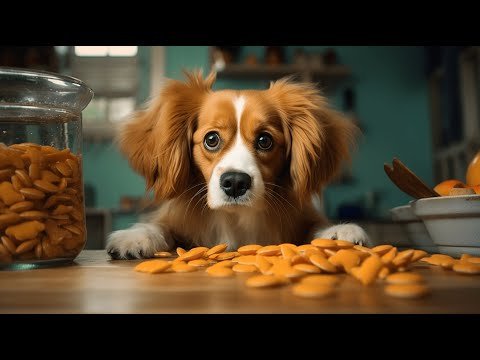
When Goldfish Crackers Become a Real Problem
A few crackers usually cause mild stomach upset at worst, but there are situations where I would call a vet quickly. Small breeds are more vulnerable because even modest amounts of salt and fat hit them harder. Puppies also react unpredictably since their digestive systems are still developing. Size matters here.
Dogs with a history of pancreatitis should avoid foods like this completely. I boarded a miniature schnauzer last fall who could not tolerate greasy snacks at all, and even a minor dietary mistake led to a rough two-day recovery. Breeds prone to pancreatic issues often struggle after eating processed cheese snacks. Owners sometimes do not realize the connection until it happens twice.
There is also the issue of packaging. I have seen dogs swallow plastic bags while trying to finish leftover crumbs. That can turn a simple snack theft into an emergency surgery in a matter of minutes. One young shepherd mix chewed through foil-lined packaging and needed monitoring because parts of the wrapper never passed naturally.
Watch for signs like repeated vomiting, shaking, severe bloating, or refusal to drink water. Excessive panting after salty foods can happen, too. If symptoms persist for more than several hours, I would not wait around hoping they clear up by morning.
What I Give Dogs Instead
I still believe treats should feel fun for dogs. I just prefer simpler foods that do not load them with processed ingredients. In my own setup, I keep sliced carrots, small apple pieces, and plain training treats in sealed containers because they are easy on most stomachs. Dogs stay excited about them anyway.
Frozen green beans work surprisingly well during hot weather. So do plain bits of cooked chicken without seasoning. I started using tiny pieces years ago after working with a nervous rescue dog who could not handle rich treats during training sessions. The cleaner snacks helped keep his stomach steady while we worked through leash reactivity.
I also pay attention to texture. Some older dogs with dental issues struggle with crunchy crackers, especially the sharp edges from broken pieces. Soft treats or lightly cooked vegetables are often easier for them to chew comfortably. Age changes feeding habits more than people expect.
If somebody insists on sharing human snacks occasionally, I tell them to keep portions tiny. Two crackers for a large, healthy dog once in a while probably will not create a disaster. Handing over twenty while watching television every weekend is a different story entirely.
I have learned that dogs rarely care about brand names or fancy flavors anyway. They mostly care that you handed them something with attention attached to it. A plain bite of chicken usually gets the same tail wag that cheddar crackers do, without the stomach cleanup afterward.