
Insights from veterinary guidance are commonly shared in Texas
Many dog owners discover sooner or later that their dog is drawn to the cat’s food bowl. It can seem harmless, especially if it only happens occasionally. But cat food is designed for a very different animal with different nutritional needs. Even limited, repeated access can affect a dog’s health over time.
To address this, let’s explore why dogs are interested in cat food, the associated risks, and how owners should respond.
Why are dogs attracted to cat food
Dogs are naturally opportunistic eaters. Cat food is often richer, smellier, and higher in fat and protein than dog food, which makes it especially appealing to cat owners. Cats require more concentrated nutrients because of their unique metabolism, so their food tends to be more calorie-dense.
To dogs, cat food simply smells and tastes better, and the enhanced aroma and texture make it more appealing than dog food. Access is usually the reason dogs eat cat food, not dietary need.
Is it safe if it only happens once?
For most healthy dogs, eating a small amount of cat food occasionally is unlikely to cause serious harm. However, digestive upset is common.
Possible short-term reactions include:
- Vomiting
- Diarrhea
- Gas or stomach discomfort
- Temporary loss of appetite
These symptoms happen because cat food is typically higher in fat and protein than a dog’s digestive system is used to processing. Some dogs tolerate it better than others, but even a single large portion can trigger stomach distress.
Puppies, older dogs, and dogs with sensitive digestion may react more strongly.
Moving beyond single incidents, it is important to understand what happens if a dog eats cat food regularly.
Frequent or long-term consumption is where real health concerns develop. Cat food is not nutritionally balanced for dogs. Over time, this mismatch can lead to several problems.
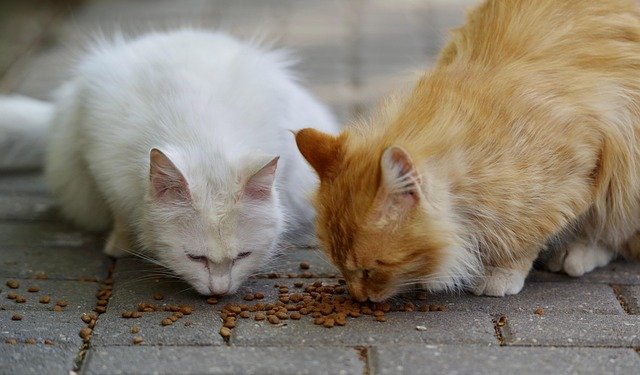
Weight gain and obesity
Cat food is more calorie-dense. Regular access can quickly increase a dog’s daily calorie intake, leading to unhealthy weight gain.
Pancreatitis risk
High-fat diets can stress the pancreas. Some dogs are particularly sensitive to fatty foods and may develop pancreatitis, a painful and potentially serious inflammatory condition.
Nutritional imbalance
Dogs and cats require different nutrient ratios. Long-term reliance on cat food can lead to excesses of some nutrients and deficiencies in others, disrupting overall health.
Digestive strain
A consistently richer diet may overwhelm digestion, causing chronic loose stools or stomach irritation.
Why cat food and dog food are not interchangeable
Cats are obligate carnivores. They rely heavily on animal-based protein and certain nutrients that can only come from meat. Dogs are omnivores and need a more balanced diet, including different proportions of protein, fat, vitamins, and minerals.
Pet food formulas are developed to meet species-specific standards established by organizations such as the American Association of Feed Control Officials. These guidelines ensure each type of food supports the biological needs of the intended animal.
A product labeled as complete for cats does not meet the same nutritional requirements as those for dogs.
Common misunderstandings owners often have
Many well-meaning owners assume the differences between cat and dog food are minor. Several misconceptions contribute to repeated access.
“It’s just meat, so it must be fine.”
While both foods may contain similar ingredients, the proportions and nutrient concentrations differ significantly.
“My dog seems fine, so there’s no problem.”
Some health effects develop slowly. Weight gain or nutrient imbalance may not be obvious at first.
“A little every day won’t matter.”
Small amounts can add up, especially with calorie-dense foods.
“It’s safer than human food scraps.”
Cat food is formulated for cats, not dogs. It may still be inappropriate even if it appears healthier than table food.
Signs a dog may be reacting poorly
Pet owners should monitor their dog after known or suspected ingestion of cat food. Veterinary evaluation is recommended if any of the following appear:
- Repeated vomiting
- Persistent diarrhea
- Lethargy or unusual fatigue
- Abdominal pain or restlessness
- Sudden loss of appetite
Severe symptoms may indicate complications such as pancreatitis, which requires prompt medical care.
The most responsible way to prevent access
Prevention is simpler and safer than managing health consequences later. Many households with both cats and dogs need a structured feeding routine.
Effective approaches include:
- Feeding pets in separate areas
- Using elevated feeding spaces accessible only to cats
- Removing uneaten cat food promptly
- Supervising mealtimes
- Maintaining consistent feeding schedules
The goal is not restriction for its own sake, but protecting each animal’s nutritional health.
What to do if a dog eats a large amount
If a dog consumes a significant quantity at once, monitoring for digestive symptoms is appropriate. Contact a veterinarian if the dog shows distress, especially if the dog is small, elderly, or has a history of digestive problems.
National guidance from organizations such as the U.S. Food and Drug Administration emphasizes that pet foods are formulated for specific species, and that unintended consumption can pose health risks depending on the quantity and frequency.
A practical perspective for pet owners
Most dogs will not be harmed by a single small taste of cat food, but regular access is not harmless. The richer nutrient profile that makes cat food appealing is exactly what makes it unsuitable for routine canine consumption.
Keeping pets healthy often depends on small daily decisions, including how and where they eat. Providing each animal with food designed for its species supports long-term well-being and reduces preventable health problems.
The safest choice is simple: dogs should eat dog food, and cat food should remain exclusively for cats.