
I’ve been a licensed veterinarian for more than a decade, and for the last several years I’ve worked in a busy small-animal clinic where diet discussions happen almost daily. Fresh pet food, including Freshpet, comes up often—usually from owners who are frustrated with chronic digestive issues, picky eaters, or dogs that don’t seem to thrive on traditional kibble anymore.
I don’t approach fresh food as a trend. I approach it the same way I do any diet recommendation: by looking closely at the ingredients, how they’re processed, and how dogs actually respond to them in real life.
What “fresh” really means in ingredient terms
Freshpet recipes are built around recognizable whole-food ingredients. When I read the label, I’m not translating chemistry; I’m reading foods I’d expect to see in a kitchen.
Most formulas start with real animal protein—chicken, beef, turkey, or fish—listed as the first ingredient. From a veterinary nutrition standpoint, that matters. Dogs are omnivores, but they still rely heavily on animal-based protein for muscle maintenance, immune function, and overall energy.
Alongside the meat, you’ll usually see vegetables like carrots, peas, spinach, or sweet potatoes, as well as starches like rice or potatoes. These aren’t fillers, as many people assume. In practice, they provide digestible carbohydrates, fiber, and micronutrients that support gut health.
One thing I appreciate is what’s not there. You don’t see artificial preservatives like BHA or BHT, and you don’t see vague meat by-products. That alone eliminates a category of problems I’ve treated over the years.
Real protein vs. protein meals
A common question clients ask me is whether “fresh meat” is better than meat meal. In theory, meat meal can be nutritionally sound. In practice, I’ve seen enough dogs react poorly to lower-quality meals that I’m cautious.
Freshpet uses fresh meat rather than rendered meals. I noticed the difference most clearly with a middle-aged Labrador I treated last spring. He had chronic loose stools that persisted despite multiple changes in kibble. After switching to a Freshpet chicken-based recipe, his stool quality normalized within a couple of weeks, without adding probiotics or medication. That tells me the protein source was easier for him to digest, not just nutritionally adequate on paper.
Vegetables and grains: not the enemy they’re made out to be
I’ve had owners apologize to me for feeding recipes with rice or potatoes, as if they’ve done something wrong. That misconception has caused more harm than good.
Freshpet uses grains like rice and oats in some recipes, and grain-free starches like potatoes or peas in others. From what I’ve seen clinically, these ingredients are rarely the cause of problems unless a dog has a true intolerance, which is far less common than social media suggests.
I remember a young mixed-breed dog with chronic itching whose owner had cycled through several grain-free foods with no improvement. The itching only resolved after switching to a fresh recipe that included rice, because the real issue turned out to be poor fat balance and low digestibility in the previous foods, not grains themselves.
Added vitamins and minerals: why they still matter
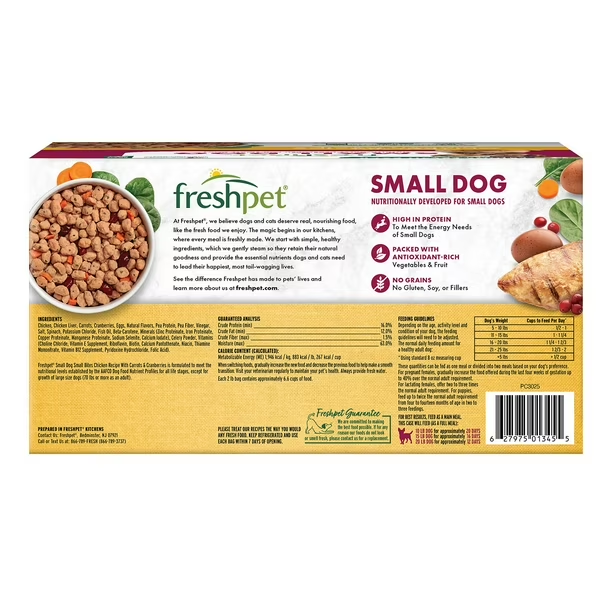
Even with whole foods, no commercial diet can rely on natural ingredients alone and still be nutritionally complete. Freshpet adds vitamins and minerals to meet AAFCO standards, and that’s exactly what I want to see.
I’ve treated dogs fed homemade “fresh” diets without proper supplementation, and the consequences can be severe—calcium deficiencies in large-breed puppies, poor coat quality, and even heart issues over time. Freshpet avoids that pitfall by balancing its recipes properly, which makes it fundamentally different from DIY fresh food.
Fat sources and palatability
Freshpet typically uses natural fat sources, such as sunflower oil or fish oil. These do more than make food taste good. They support skin health, coat quality, and cognitive function, especially in senior dogs.
One older terrier I see regularly had started leaving half his kibble untouched. His owner assumed it was age-related. After switching to Freshpet, his appetite returned almost immediately. In cases like that, it’s often the freshness and fat quality—not just flavor—that makes the difference.
Common mistakes I see with fresh pet food
The biggest mistake isn’t the food itself—it’s how people use it.
Some owners treat Freshpet as a topper only, unintentionally unbalancing their dog’s overall diet. Others switch too quickly, causing temporary digestive upset that gets blamed on the ingredients. In my experience, a gradual transition over a week makes a noticeable difference.
Another issue is storage. Fresh food spoils if handled like kibble. I’ve seen dogs get mild GI upset simply because the food was left out in the fridge too long. Freshpet is perishable, and owners need to treat it that way.
My professional take on Freshpet ingredients
Do I recommend Freshpet for every dog? No. Dogs with certain medical conditions need prescription diets, and some households can’t consistently manage refrigerated food.
That said, for healthy dogs—or dogs with mild digestive or palatability issues—I’ve seen Freshpet ingredients work well in real clinical settings. The combination of real meat, digestible carbohydrates, and minimal processing aligns with what dogs tend to tolerate and enjoy.
I don’t judge a diet by marketing claims. I judge it by stool quality, coat condition, energy levels, and how often I see the same dog back for diet-related problems. By that measure, Freshpet’s ingredient choices have earned my respect over time.