
I’m a licensed veterinarian practicing in Texas, and this question comes up more often than you might expect—usually not during routine wellness visits, but during slightly embarrassed conversations that start with, “So… my dog got into the cat’s food again.”
Dogs eating cat food is one of those situations that feels harmless at first. After all, it’s pet food. It smells good to dogs. The ingredients on the label look similar. And in many households, the dog stealing the cat’s meal is almost a daily occurrence. But from years in clinical practice, I can say with confidence: while an occasional bite usually isn’t an emergency, regularly feeding cat food to dogs is a bad idea, and sometimes it leads to problems that surprise owners.
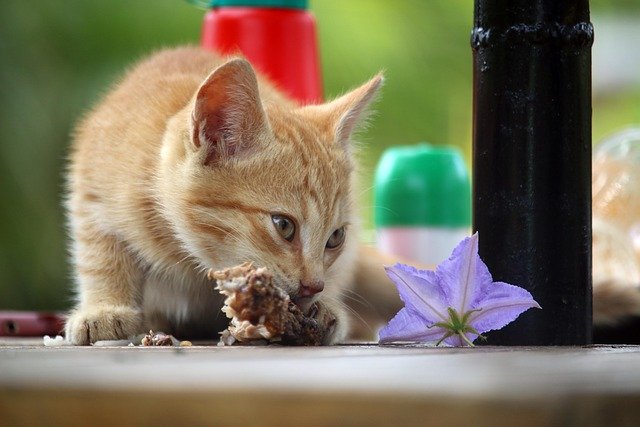
Why Dogs Are So Drawn to Cat Food
I’ve watched countless dogs make a beeline for the cat’s bowl the moment an owner turns their back. That’s not a coincidence. Cat food is intentionally designed to be higher in protein and fat because cats are obligate carnivores. Dogs, while still meat-eaters at heart, are much more flexible omnivores.
In practice, this difference matters. Cat food tends to smell richer, feel greasier, and taste more intense. One client told me their dog ignored premium dog food for years, but would scale a baby gate nightly to lick the residue from the cat’s bowl. That behavior alone should tell you something: cat food is far more calorie-dense and palatable than what dogs actually need.
Is It Safe for Dogs to Eat Cat Food Occasionally?
In most healthy adult dogs, eating cat food once in a while isn’t dangerous. I’ve reassured plenty of worried owners after a dog polished off the cat’s dinner while no one was home. If the dog has a normal stomach and no underlying conditions, the most common outcome is mild digestive upset—loose stools, gas, or vomiting later that evening.
I remember a middle-aged Labrador who came in after eating cat food for a weekend while the owners were traveling. He wasn’t sick enough for hospitalization, but he had greasy diarrhea and abdominal discomfort that lasted several days. Nothing life-threatening, but uncomfortable for him and stressful for his owners.
So yes, in the short term, cat food is usually “safe” in the sense that it won’t poison a dog. That’s not the same as being appropriate.
When Cat Food Becomes a Real Problem
The issues show up when cat food becomes a habit rather than a one-time mistake.
One situation I see repeatedly involves small or senior dogs. A few spoonfuls of cat food here and there don’t seem like much, but over time, the excess fat adds up. I’ve diagnosed pancreatitis in dogs whose only dietary change was regular access to cat food. In more than one case, the owners were shocked—they thought the dog was eating “just a little.”
Pancreatitis isn’t subtle. Dogs come in hunched, painful, vomiting repeatedly, and refusing food. Treatment often involves IV fluids, pain control, and days of recovery. I’ve learned to ask about cat food early in these cases because it’s such a common trigger.
Another group at higher risk is dogs with kidney disease, liver disease, or food sensitivities. Cat food contains nutrient levels—especially protein and certain minerals—that can worsen these conditions. I once treated a dog with early kidney issues whose lab values worsened over a few months. The cause turned out to be nightly raids on the cat’s bowl that the family didn’t think mattered.
Nutritional Mismatch: What Owners Don’t See
One of the most overlooked problems is that cat food doesn’t meet a dog’s nutritional balance. Dogs need different ratios of protein, fat, fiber, and specific vitamins. Cat food lacks enough fiber for dogs and often contains excess vitamin A and fat when fed long-term.
I’ve seen dogs maintain their weight on cat food and still be nutritionally off. Their coats become dull. Their stools change. Their energy fluctuates. These aren’t dramatic symptoms, which is why owners often miss them until something bigger goes wrong.
Common Mistakes I See in Real Homes
The most common mistake isn’t intentional feeding—it’s access. Food bowls left on the floor. Free-feeding cats. Assuming the dog “only gets a bite or two.”
Another mistake is using cat food as a topper to get picky dogs to eat. I understand the temptation. I’ve dealt with plenty of finicky canine patients. But once a dog realizes cat food is an option, dog food often loses all appeal. I’ve had owners stuck in a cycle where the dog refuses meals unless cat food is mixed in, and the digestive issues slowly follow.
My Professional Take
From a veterinary standpoint, I advise against letting dogs eat cat food regularly. Occasional exposure happens and usually isn’t a crisis, but repeated access creates unnecessary health risks—especially pancreatitis, obesity, and digestive problems.
If a dog is sneaking cat food, the solution isn’t switching diets; it’s management. Elevated feeding stations for cats, separate feeding rooms, or scheduled mealtimes make a real difference. These are practical changes I’ve seen work in real households, not idealized setups.
Dogs and cats can live peacefully under the same roof, but their food shouldn’t be interchangeable. Their bodies are different, and after years of treating the consequences, I’ve learned that respecting those differences saves both pets and owners a lot of trouble.