
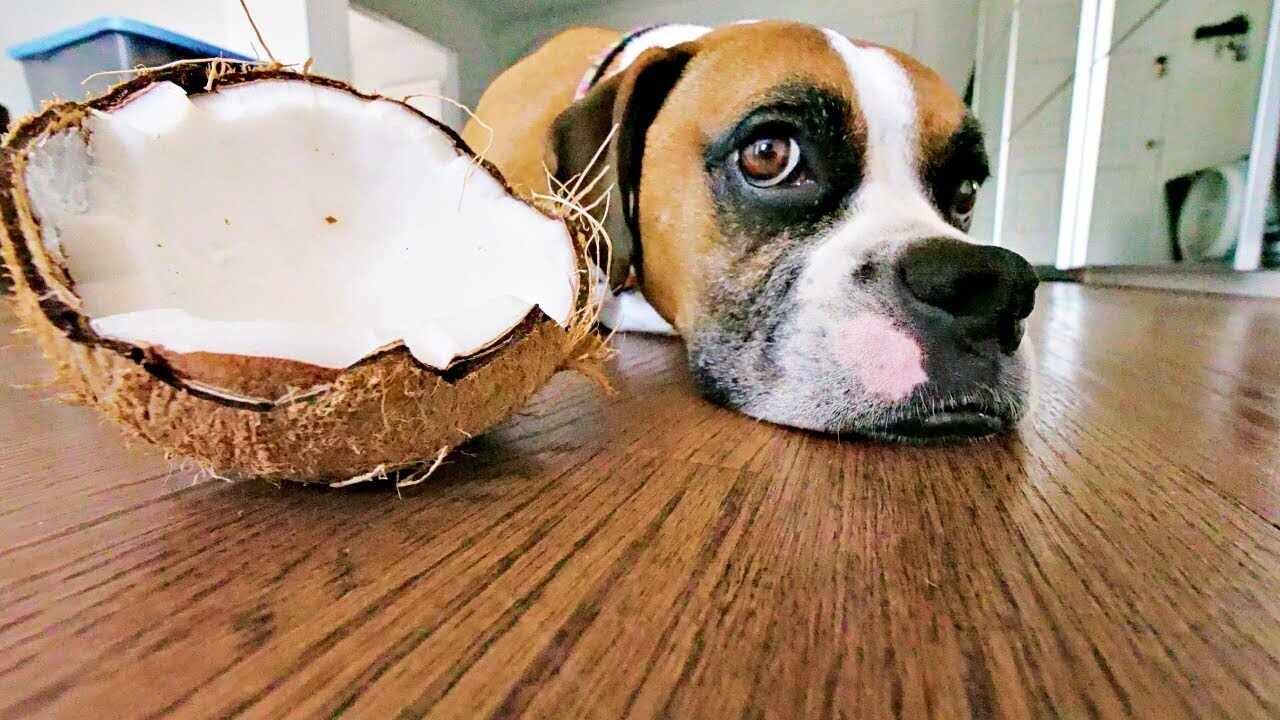
I run a small mobile dog grooming van along the Gulf Coast, and dry skin is one of the things owners ask me about almost every week. Some dogs come in flaky around the shoulders, while others scratch so much during a bath that they can barely settle down on the table.
Coconut oil is mentioned frequently because it is cheap, easy to find, and easy to apply at home. I have used it on dozens of dogs over the years, and I think it can help in certain situations, though people often expect too much from it.
What Coconut Oil Actually Did for the Dogs I Worked On
The biggest thing I noticed is that coconut oil can soften dry patches pretty quickly if the skin irritation is mild. I usually see the best results on short-haired dogs with flaky elbows, dry bellies, or rough skin around the base of the tail. A little goes a long way. I learned that the hard way after using far too much on a Labrador years ago, leaving oily paw prints all over the van floor.
Most owners apply too much product at once because they think the skin needs to soak in it overnight. That usually turns into greasy fur and trapped dirt by the next day. I prefer warming a teaspoon in my hands and rubbing a thin layer into the dry spots after a bath. The coat should still feel like fur afterward, not cooking oil.
I have also seen dogs react differently depending on the season. During humid summers, some dogs improve after only two or three applications spread across a couple of weeks. Winter is harder. Indoor heating can quickly dry skin, especially in older dogs with thinning coats or allergies.
One bulldog I groomed every six weeks had rough skin around his chest and neck folds, which improved noticeably after his owner switched to a gentler shampoo and began using coconut oil twice a week. The flakes were reduced within a month. The smell improved, too. That mattered.
Why Dry Skin Sometimes Has Nothing to Do With Moisture
A lot of people assume dry skin means the dog simply needs moisture added back in. Sometimes that is true, but I have seen many cases where the real problem was diet, allergies, fleas, or harsh shampoos. Coconut oil cannot fix those things on its own. It might calm the surface temporarily while the deeper issue keeps getting worse underneath.
I remember a shepherd mix that kept scratching until patches near his hips began to thin out. His owner had already tried oils, oatmeal rinses, and several shampoos before finally changing his food after advice from a vet. The scratching slowed down within a few weeks. Skin can be complicated.
Some owners like comparing products before buying grooming supplies or coat care supplements, and I have seen people use resources like Chewy to read reviews from other dog owners with flaky skin. Reading those experiences can help people notice patterns, especially with shampoos that leave coats overly dry after repeated use. I still tell clients to pay attention to their own dog first because every coat reacts differently.
Coconut oil is also not ideal for every breed. Heavy double-coated dogs can trap oil close to the skin, especially if the undercoat is packed down and overdue for brushing. I once worked on a husky with a thick buildup under the fur because the owner kept layering oils on the skin that actually needed proper deshedding and airflow. That coat took nearly two hours to clean out properly.
How I Usually Apply It Without Making a Mess
If someone asks me how to try coconut oil safely, I usually suggest starting small and staying patient for at least a week or two. I apply it after a mild bath because clean skin absorbs products better than dirty skin covered in dust and old dander. Dogs that roll outside immediately afterward tend to collect every leaf in the yard.
These are the steps I normally recommend:
Use a dog-safe shampoo with minimal fragrance. Dry the coat fully with a towel first. Rub a very thin amount of coconut oil between your palms and work it into the driest spots only. Brush the coat afterward so the oil spreads lightly instead of sitting in thick patches.
I rarely recommend pouring oil directly onto the dog. That usually creates uneven spots and greasy clumps near the skin. Small amounts are easier to control, especially on dogs under 40 pounds, where a little excess becomes obvious fast.
Some owners also feed tiny amounts of coconut oil mixed into food, though I tell people to be careful there, too. Too much fat can upset a dog’s stomach quickly. I have cleaned enough accidents off grooming tables to know how fast that can happen.
Cases Where I Think Coconut Oil Is a Bad Choice
There are situations where I would skip it completely. Dogs with open sores, yeast infections, or severely inflamed skin need proper veterinary care rather than home experimentation. Oil can sometimes make moist skin conditions worse by trapping heat and debris against the surface. I have seen ears get especially nasty after owners started rubbing oils too close to irritated skin folds.
Some dogs simply hate the feeling of oily fur. A terrier client of mine spent an entire appointment rubbing himself against towels after his owner tried a thick homemade oil treatment the night before. The dog looked miserable. By the time I finished grooming him, half the van smelled like coconut.
There is also the licking problem. Certain dogs will lick every bit of oil off themselves within minutes, which defeats the whole point of applying it topically. Smaller breeds tend to do this more often in my experience. Chihuahuas are relentless about it.
I also caution people about assuming “natural” always means safe. I hear that phrase a lot. Natural products can still irritate skin, trigger allergies, or cause buildup if used for months without proper bathing.
The Other Changes That Usually Help More
Honestly, the biggest improvements I have seen rarely came from coconut oil alone. Better brushing habits matter more for many dogs because trapped dead fur keeps skin from breathing well. I have watched coats improve dramatically after owners simply started brushing three times a week instead of once every month or two.
Bathing routines matter too. Cheap shampoos strip oils aggressively, especially products loaded with strong perfumes. One spaniel I groomed last fall stopped flaking almost entirely after his owner switched from a heavy deodorizing shampoo to a basic hypoallergenic formula. The coat felt softer within two appointments.
Food can change the skin more than people realize. Dogs eating low-quality diets sometimes show it through dull fur, flaky skin, and constant shedding. I am not a veterinarian, so I am careful with feeding advice, but I have definitely noticed coat changes after owners upgraded their food or added vet-approved supplements over several months.
If a dog suddenly develops severe dryness, redness, or hair loss, I think owners should stop guessing and book a veterinary visit sooner rather than later. I have seen allergies mistaken for dry skin many times. The earlier those issues get addressed, the easier they usually are to manage.
Coconut oil can help some dogs feel more comfortable, especially with minor dryness or seasonal flakes, and I still keep a small jar in my grooming van for certain cases. I just do not treat it like a miracle cure. Most skin problems improve with a combination of better grooming habits, proper bathing, a healthy diet, and paying attention to minor irritations before they become bigger issues.
