
I run a small in-home dog boarding setup in southern Ohio, and over the years, I have learned that houseplants create more problems than most owners expect. A lot of people focus on cleaning supplies or table scraps while a toxic plant sits three feet from the dog bed.
Golden pothos is one of the plants I mention almost every month because I have seen curious dogs chew it during overnight stays. Most cases ended with drooling and irritation, though one older bulldog needed a late-night vet visit after chewing several leaves.
What Happens If a Dog Eats Golden Pothos
Golden pothos is considered poisonous to dogs, though usually not in the same category as plants that can cause organ failure or severe neurological issues. The irritation is caused by insoluble calcium oxalate crystals within the plant tissue. Once a dog bites into the leaves or stems, those tiny crystals dig into the mouth and throat tissue. It looks miserable.
I have seen symptoms appear within 10 minutes. Most dogs start pawing at their mouths, drooling heavily, or refusing food and water for a while. Some vomit once or twice. A few become frantic when their mouths suddenly burn, not understanding why.
One Labrador I watched last winter chewed only two leaves before backing away from the plant. Even with that small amount, his lips swelled enough that the owner panicked when they arrived for pickup. The emergency clinic later told them the swelling was mild compared to what they often see with larger dogs that treat houseplants like chew toys. Bigger dogs can still get into trouble.
Most healthy dogs recover with supportive care, but I never tell people to “wait and see” if symptoms are strong. Breathing trouble, severe swelling, repeated vomiting, or extreme lethargy deserve immediate veterinary attention. Some dogs react harder than others, especially puppies under a year old who chew everything they can reach.
Why So Many Dog Owners Keep This Plant Anyway
I understand why people love golden pothos. It survives low light, grows fast, and forgives neglect better than almost any other indoor plant I have owned. Years ago, a customer who boarded two dachshunds with me brought over cuttings from her own plant because she knew I liked easy greenery around the house.
Since then, I have become more selective about where I place plants indoors. I still browse gardening advice and pet-safe recommendations through sites like golden pothos listings because they make it easier to double-check what belongs near dogs and what does not. I would rather move a hanging basket than spend midnight cleaning drool off the floor while calling an emergency clinic.
Some owners assume dogs instinctively avoid harmful plants. I wish that were true. A bored terrier once shredded part of a pothos vine in my mudroom while ignoring three safe chew toys nearby, including a thick rubber one that cost more than the plant itself.
Placement matters more than people think. Dogs can reach farther than expected, especially athletic breeds that jump onto furniture without hesitation. I have watched a shepherd mix pull down a hanging vine from nearly six feet high after spotting movement from a ceiling fan.
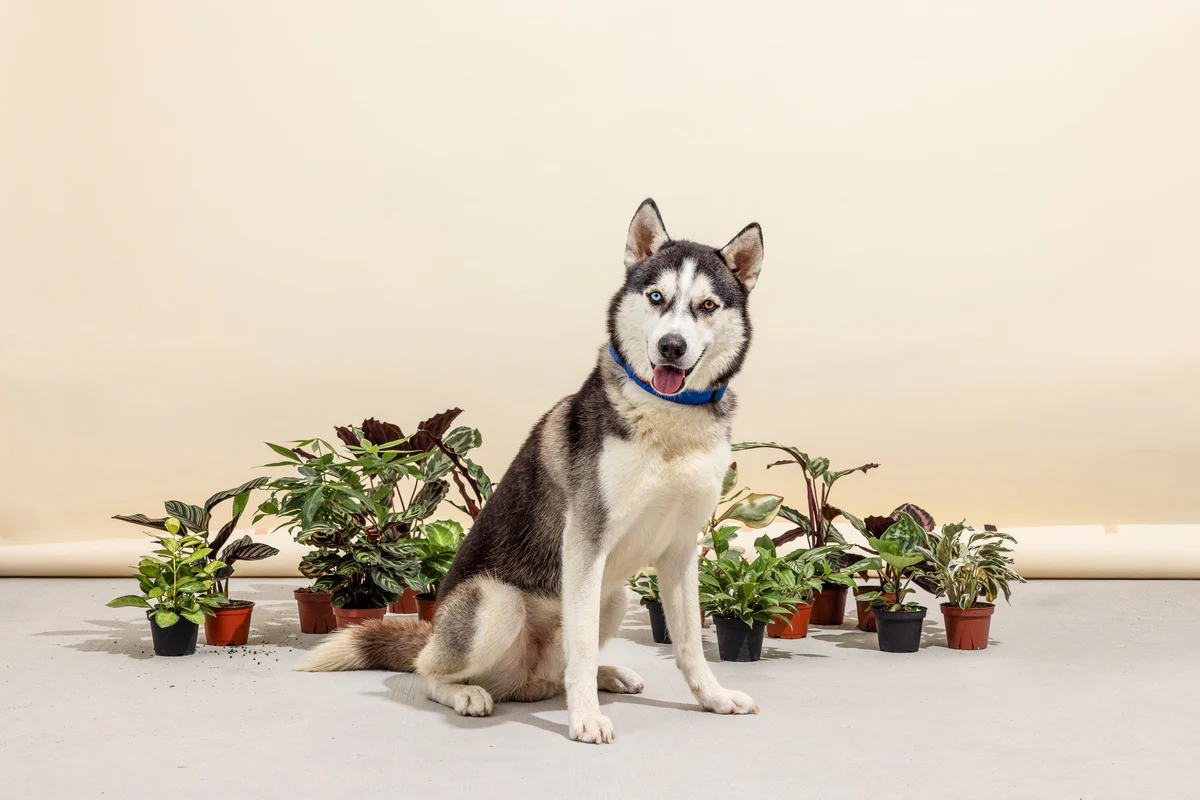
The Difference Between Mild Poisoning and a Real Emergency
Most pothos exposure stays in the mild-to-moderate range, though the experience still scares owners. The mouth irritation is intense enough that some dogs cry or refuse to swallow. Those moments feel dramatic, even if the long-term outcome turns out manageable.
There are a few signs that prompt me to seek immediate emergency care. Excessive swelling around the mouth, trouble breathing, nonstop vomiting, or collapse should never be brushed aside. I once helped transport a small mixed breed to an emergency vet after she developed severe throat swelling from chewing several houseplants in the same afternoon. That situation escalated fast.
Water can help rinse the mouth temporarily if the dog allows it, though forcing water into a panicked dog usually makes things worse. I tell boarding clients to remove any remaining plant pieces first and call their veterinarian right away. Quick communication helps because clinics may recommend monitoring at home or bringing the dog in immediately, depending on how much was eaten and the symptoms involved.
Photos help too. A clear picture of the plant can save time during a stressful moment, especially if the owner is unsure what species they actually own. Plenty of people think every trailing green plant is ivy. It is not.
Safer Plants I Recommend Around Dogs
I still keep plants in my home and boarding space, though I swapped several toxic varieties after repeated close calls. Spider plants, parlor palms, and certain peperomias have held up surprisingly well around dogs. None is indestructible, but they create less risk if a curious puppy takes a bite.
I also pay attention to how individual dogs behave. Some ignore plants for years. Others obsess over leaves the second they walk into a room. A young beagle I boarded last spring spent two straight days trying to steal dirt from pots, even after I moved the plants onto shelves.
Artificial plants work for some households, though I avoid the cheaper versions because pieces break off easily. Swallowed plastic causes its own problems. I learned that lesson after a French bulldog passed part of a fake fern several days after boarding with me.
One thing surprises many owners. Dogs often target plants when they are under-stimulated rather than hungry. More walks, scent games, or structured play sessions can help reduce destructive indoor chewing, especially for high-energy breeds that get restless during rainy weeks.
I still think golden pothos has a place in plenty of homes. I just do not trust it anymore, given that it is within reach of dogs. After enough years cleaning up after curious puppies and anxious owners, moving one plant to a higher shelf feels like a very small compromise.