
I work as a mobile pet groomer running a small van setup through suburban neighborhoods in Florida, and I’ve seen Odoban used in more homes than I can count. People usually bring it up when they are trying to keep litter box smells under control or sanitize pet areas between grooming visits. I’ve had enough real-world experience with how cats react to strong cleaners that I pay attention to every spray bottle in a house before I start working.
What Odoban Means in Real Homes
In my daily work, Odoban is usually listed as a disinfectant and deodorizer that clients use on floors, fabric, and pet bedding. It has a strong scent profile that people associate with “clean,” even when a cat in the home might experience it very differently. I’ve stepped into homes where the smell hits first before I even see the pets.
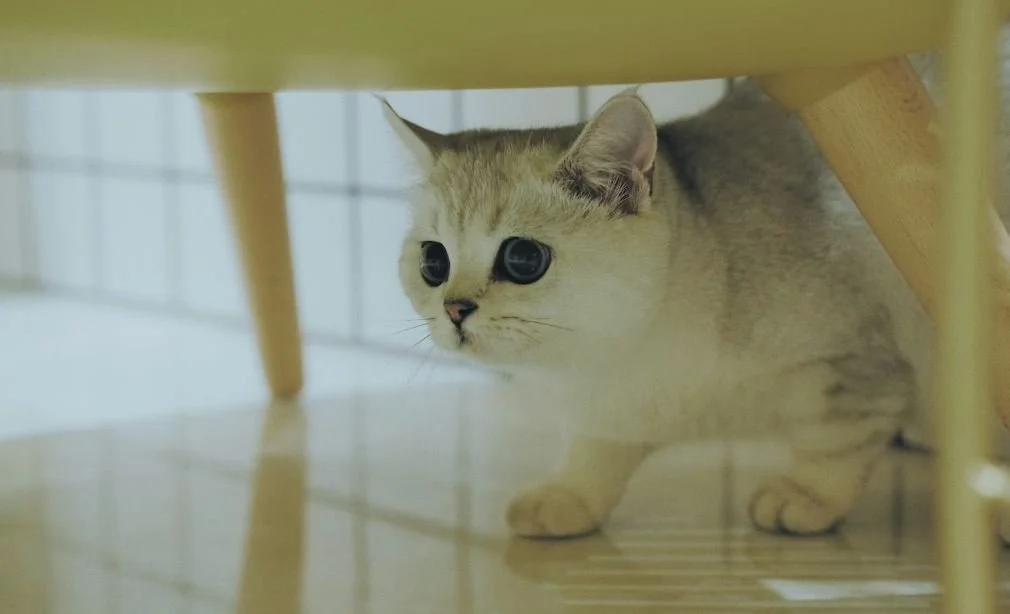
I remember a customer last spring who used Odoban heavily in a small apartment before I arrived for a grooming appointment. The cat was hiding under a couch, and it took a long time before it even relaxed enough to come out for handling. That situation reminded me of how scent sensitivity in cats can turn a normal cleaning routine into a stressful experience.
From my experience, Odoban itself is not designed as a cat-specific product, which means its safety depends heavily on how it is used, diluted, and ventilated. I’ve seen people spray it directly onto bedding without considering how long it lingers in enclosed spaces. When I’m assessing a home, I always ask how recently any disinfectant was used before I bring tools or carriers inside.
Safety Concerns I Watch for Around Cats
Odoban is generally considered safe when properly diluted and fully dried before pets return to treated surfaces, but cats are a different category due to their grooming behavior and sensitivity to residues. They walk on floors, lick their paws constantly, and can more easily ingest trace chemicals than dogs or humans. That’s why I never treat “safe for household use” as automatically safe for cats.
When owners want to double-check chemical exposure risks, I often point them to reliable veterinary resources and poison control resources. One place I’ve suggested to concerned pet owners is the ASPCA Animal Poison Control, especially when they are unsure whether a cleaning product exposure could affect their cat. I’ve found that having a professional reference helps people make calmer decisions instead of guessing based on internet rumors.
The bigger concern I see is overuse, not the product itself. I’ve walked into homes where Odoban was sprayed daily in enclosed rooms with no ventilation, and the cats showed signs of avoidance, mild sneezing, or simply staying away from treated areas. Those reactions are not always toxic responses, but they are clear behavioral signals that something in the environment is uncomfortable for them.
A client with two indoor cats used Odoban on carpets every evening after dinner, thinking it would help control odor buildup. Over time, one of the cats stopped sleeping in the living room completely, preferring the hallway instead. When we reduced use frequency and improved airflow, the cat gradually returned to normal routines, making the pattern hard to ignore.
How Exposure Usually Happens in My Work
Most exposure cases I notice are indirect. I rarely see cats interacting with liquid Odoban itself, but I often see them reacting to treated surfaces or freshly cleaned fabrics. In a grooming van setting, I bring my own sanitizers to avoid unknown variables, since I’ve had cats become restless in homes where strong disinfectants were recently used.
In one situation, I arrived at a townhouse where the owner had just finished cleaning multiple litter boxes with Odoban and closed the windows to keep cool air inside. The cat became visibly agitated, pacing between rooms and avoiding its usual resting spots. That visit taught me to always ask not just what products are used, but how recently they were applied and whether ventilation was considered.
Another pattern I’ve noticed is confusion between “pet safe after drying” and “safe during application.” People sometimes spray surfaces while cats are still nearby, increasing the risk of inhalation exposure. I always advise waiting longer than expected, especially in small or poorly ventilated spaces where residue can linger longer than people assume.
How I Handle Cleaning Products Around Cats
In my mobile grooming routine, I avoid using strong disinfectants like Odoban inside the van when cats are present, even if the label suggests it’s safe for pets. I prefer simpler cleaning routines that rely on thorough rinsing and airflow rather than fragrance-heavy deodorizing agents. This reduces stress for sensitive animals that I work with multiple times a day.
I also ask clients to pause any heavy cleaning at least a few hours before a scheduled visit, especially in tight apartments where air circulation is limited. That small adjustment often makes a noticeable difference in how relaxed the cats are when I arrive. A calm cat is easier to groom, and it reduces the risk of stress-related behavior during handling.
There was a household I visited regularly where we eventually agreed on a routine: no disinfectant sprays on grooming days and open windows for at least an hour before my arrival. The difference was clear, as both cats became more predictable and less reactive during nail trims and brushing sessions. Small environmental changes like that tend to matter more than people expect.
For me, the question of whether Odoban is safe for cats always comes down to usage patterns rather than a simple yes-or-no answer. I’ve seen it used responsibly without issue, and I’ve also seen it contribute to unnecessary stress when applied too heavily or too often. The cats usually tell the story before anyone reads the label closely.