
I run a small exotic cat grooming and boarding setup where I regularly meet people curious about Maine Coons. Most of them walk in with a mix of excitement and surprise once they hear the actual cost range. I’ve handled everything from young kittens coming in for their first grooming to adult Maine Coons that already cost their owners a small fortune. Over time, I’ve learned that the price is never just about the cat itself but the whole chain behind it.
Starting Price of a Maine Coon Kitten
Most people I talk to expect a Maine Coon to cost around the same as a regular domestic cat, but that expectation usually changes quickly. A pet-quality Maine Coon kitten from a decent breeder often starts in the low to mid range of several hundred dollars and can easily move into the low thousands, depending on lineage. I’ve seen a customer last spring who thought she would spend “a couple of hundred” and ended up adjusting her budget after seeing certified breeders. The gap between pet quality and show quality alone can double or triple the price.
Show-quality kittens with strong pedigree lines, health screening, and a breeder’s reputation usually sell for much higher prices. These are the cats bred for conformation standards, not just companionship, and that difference shows up clearly in pricing. In many cases, breeders invest years into maintaining bloodlines, which quietly adds to the final cost. I’ve had clients tell me the paperwork alone felt more detailed than buying a used car.
Even within the same litter, prices can vary based on coat color, eye symmetry, and overall structure. Some colors that are rarer or more in demand naturally push the price higher. I always remind people that early research matters more than rushing into a purchase. A rushed decision often leads to either overspending or disappointment later.
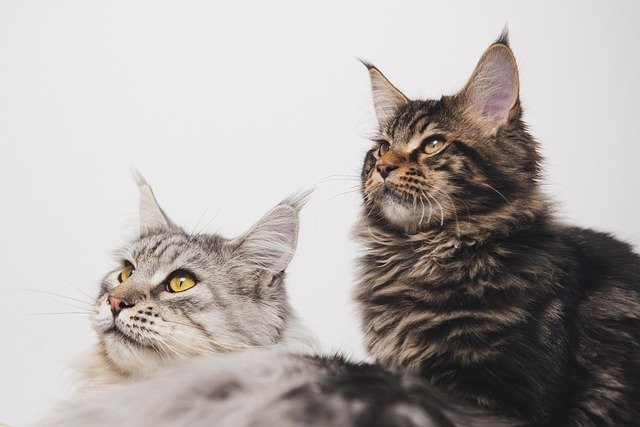
What Drives the Cost Behind the Scenes
Breeding Maine Coons is not a casual side activity, and I’ve seen enough breeders up close to understand where the money goes. Health testing alone for parent cats can cost a significant amount before a single kitten is born. Responsible breeders often run genetic screenings, hip evaluations, and heart checks to avoid passing down serious issues. That alone adds a baseline cost that eventually reflects in the kitten price.
One conversation I remember clearly involved a breeder who explained how a single queen cat required nearly a year of care before even producing a litter. Food quality, vet visits, and controlled breeding schedules all added up over time. This is where people sometimes underestimate the real cost behind a “cute kitten price.”
There’s also the factor of early socialization and care. Kittens raised in clean, enriched environments with proper handling tend to be more confident and adaptable. I once recommended how much a maine coon cat costs to a new buyer who wanted guidance on finding responsible breeders, and it helped her avoid several unreliable listings she had been considering online. That step alone saved her from a poor purchase decision. Not every breeder invests equally, and that difference shows up in both behavior and price.
Demand also plays a quiet but powerful role. Maine Coons have become increasingly popular in recent years, especially among people seeking large, affectionate indoor cats. Higher demand naturally pushes prices upward, even when supply remains steady. I’ve noticed waiting lists becoming longer, especially for specific coat patterns.
Long-Term Costs After Buying a Maine Coon
The purchase price is only the beginning, and I always make that clear to people who ask me for advice. Maine Coons are large cats with equally large appetites, and feeding them quality food can get expensive over time. Many owners end up spending more on food each month than they expected at the start. A big male Maine Coon can easily eat significantly more than a standard domestic cat.
Veterinary care is another ongoing cost that often surprises first-time owners. Regular checkups, vaccinations, and occasional emergency visits can add up across the year. I’ve seen cases where owners underestimated grooming needs, especially for long, dense coats that mat quickly without proper maintenance. Even simple grooming tools and occasional professional sessions become part of the routine budget.
There are also environmental and lifestyle costs that people don’t think about early on. Larger litter boxes, stronger scratching posts, and more durable furniture protection become necessary. I remember a customer who replaced her regular cat tree within months because her Maine Coon outgrew it physically. These are small things individually, but together they shape the real financial picture of ownership.
Insurance is another option some owners consider, especially for high-value cats. While not mandatory, it can help manage unexpected vet expenses. I’ve seen both approaches work, depending on how prepared the owner wants to be for emergencies. Either way, planning ahead usually saves stress later.
Over time, I’ve noticed that people who understand the long-term commitment tend to enjoy their Maine Coons more. The cost becomes less of a shock and more of a planned investment in care. It changes the way they approach ownership from the beginning. That mindset makes a noticeable difference in how smoothly things go.