
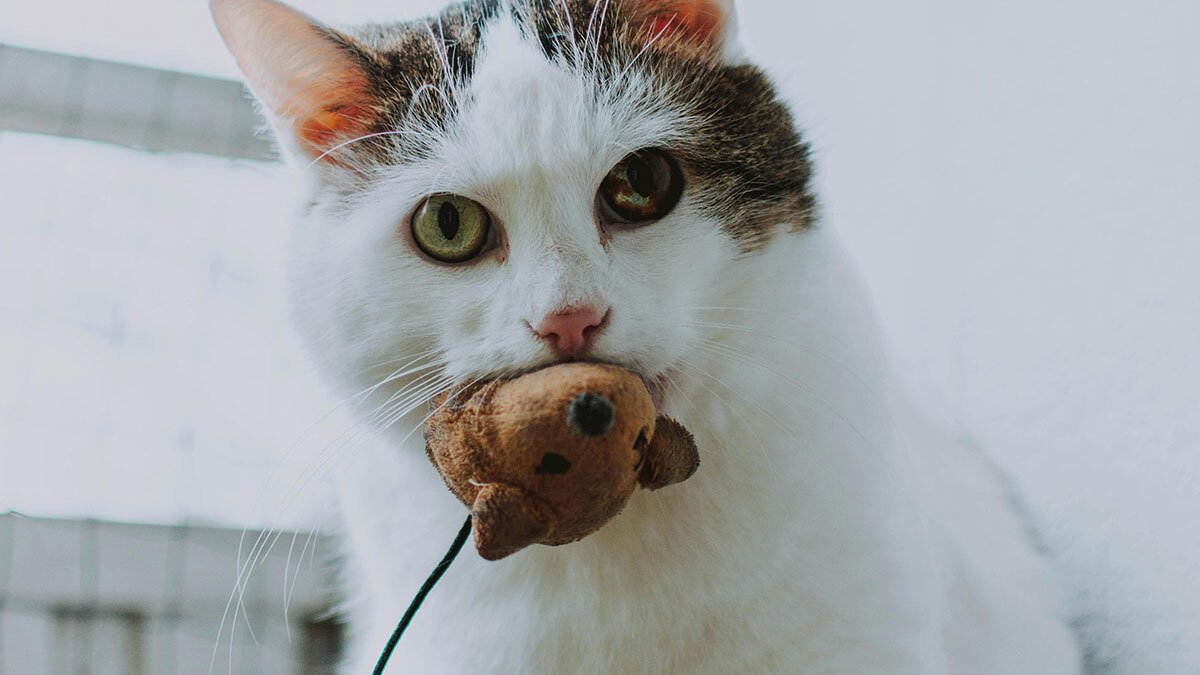
I work as a cat behavior consultant who does home visits in multi-cat households across Punjab, often stepping into situations where people are genuinely convinced their cat is “not smart.” I hear that line more often than you might expect, usually after a scratched sofa or a missed litter box moment. Over the years, I’ve learned that the problem is rarely intelligence, but more about misreading what the cat is actually trying to communicate.
Most of the cats I meet are not confused at all. Their behavior just doesn’t match human expectations, which creates the impression that something is missing upstairs. I’ve watched this misunderstanding unfold in small apartments, busy family homes, and even quiet rural settings where cats roam freely but are still unfairly labeled.
Why cats get labeled as dumb
People usually call a cat dumb after repeated frustration builds up, not because of a single incident. I remember a customer last spring who was convinced her young cat had “no sense” because it kept knocking items off a dining table every evening. When I observed the home, I noticed the cat was actually responding to attention patterns and boredom rather than acting without purpose.
They are not dumb.
Cats learn through association, repetition, and environmental cues, which can look very different from dog-style obedience training. In one household I visited, a cat avoided using a perfectly clean litter box simply because it was placed near a loud washing machine that ran unpredictably throughout the day. Once the box was moved, the “problem behavior” disappeared within a week without any other changes.
Sometimes people also expect immediate responses, which can lead to disappointment. A cat may understand a cue but choose not to act on it, which gets misinterpreted as confusion. That difference between understanding and cooperation is where most of the labeling begins.
Misreading cat behavior at home
A lot of confusion starts when owners interpret cat behavior through a human logic lens. I’ve seen people assume a cat is being spiteful after changes in routine, when in reality the cat is just reacting to stress or altered scent markers in its environment. One customer told me her cat “forgot everything overnight” after a house renovation, but what actually happened was the cat’s territory cues had been completely disrupted.
In cases like this, I often recommend structured observation before jumping to conclusions. I also suggest working with professionals who can interpret behavior patterns more clearly, and sometimes I point people toward a cat behavior support service when the situation needs deeper evaluation beyond basic home adjustments. That kind of support can help distinguish true cognitive limitations from stress-driven behavioral shifts that can look misleading at first glance.
What surprises many owners is how sensitive cats are to timing and environment. A feeding change of even thirty minutes can alter behavior patterns for days. I once worked with a family where a simple shift in the evening dinner time resolved what they thought was aggressive behavior during the night.
Misreading usually occurs when small signals are ignored or misgrouped. A cat that hides, avoids eye contact, or reacts suddenly is often communicating discomfort, not a lack of intelligence. The challenge is slowing down enough to read those signals without attaching human emotion to them.
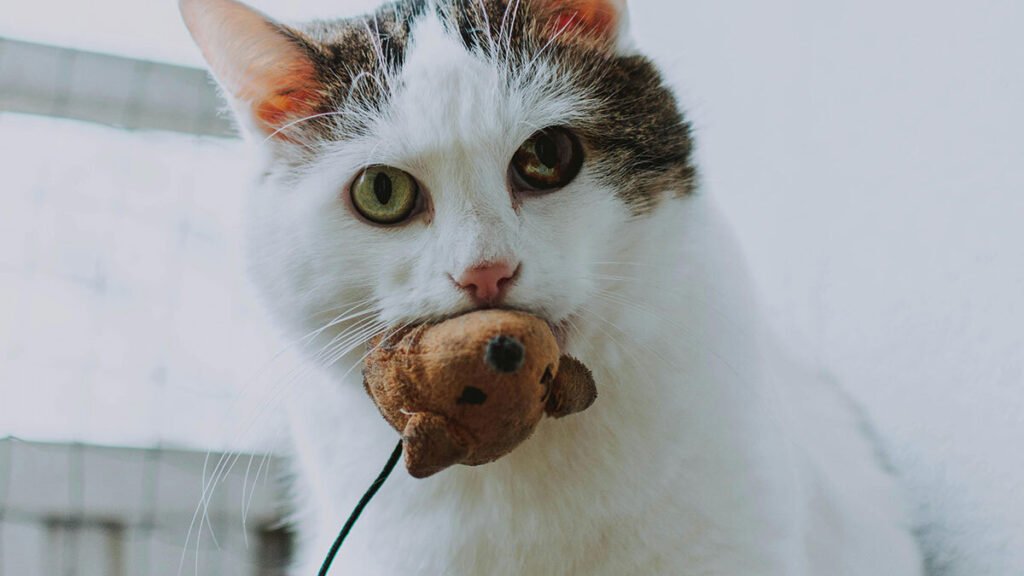
Signs of intelligence I see daily.
In my experience, cats demonstrate problem-solving skills in quiet and subtle ways that don’t always get noticed. I’ve seen cats figure out cabinet latches, predict feeding schedules, and even adjust their behavior based on which family member is home. These patterns usually develop over time and require careful attention.
Cats also learn spatial routes with surprising accuracy. One household I worked with had a cat that consistently chose different paths depending on who was walking through the hallway, avoiding direct confrontation entirely. That level of adaptive movement is not random behavior.
I’ve also noticed that cats can remember emotional responses from humans longer than people expect. If a person reacts harshly once, the cat may avoid that interaction style for weeks. This is not fear alone, but a learned adjustment based on past outcomes.
Cats learn fast.
They may not perform tricks on command as some animals do, but their learning is often tied to survival efficiency and comfort. I’ve seen cats quickly adapt to new feeding routines, new sleeping areas, and even new family members with minimal instruction, as long as the environment remains stable enough for them to interpret.
What I tell frustrated owners
When someone is convinced their cat is dumb, I usually start by asking what specific behavior led them to that conclusion. Most of the time, it’s a handful of repeated incidents rather than a full behavioral picture. Once we map those moments out, the “lack of intelligence” narrative usually starts to fall apart.
I also encourage people to track behavior for a few days without trying to correct it immediately. In one case, a client thought her cat was ignoring training completely, but her notes showed the cat responded correctly in quiet conditions and only “failed” when the household got noisy. That distinction changed the entire approach we took afterward.
Frustration usually comes from an expectation mismatch, not from an actual cognitive limitation. I’ve learned that once owners stop expecting dog-like responses, they begin to notice more intentional behavior patterns. That shift alone can change the entire dynamic of a home’s relationship.
Some cats are cautious, some are bold, and some are highly sensitive to environmental change. None of those traits equals low intelligence. They simply reflect different ways of processing the same space and stimuli.
What I’ve come to accept after years of working in real homes is that labeling a cat as dumb usually says more about communication gaps than it does about the animal itself. Once those gaps are addressed, most owners end up describing the same cat in a very different way, often with a bit more respect than they started with.