
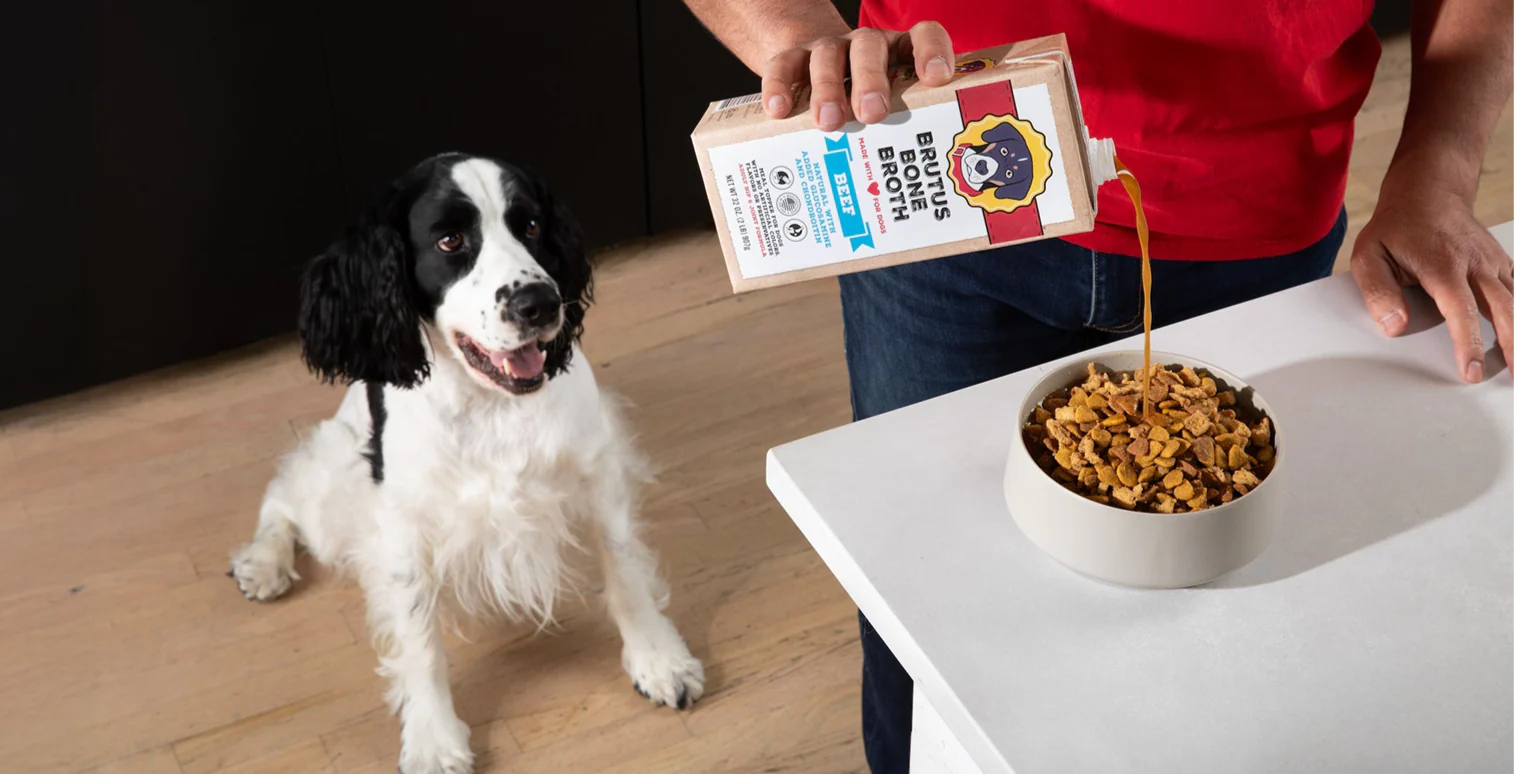
I run a small home-based dog boarding setup just outside the city, and over the years, I have learned that picky eaters are more common than most owners admit. Bone broth became one of my go-to fixes after a nervous shepherd refused dry food for two full days. I started making it in batches using scraps I already had, and I quickly saw how much it helped with appetite, hydration, and even older dogs with stiff joints. It is simple, but the small details make a big difference. I have ruined a few early batches, so I will walk you through what actually works in my kitchen.
Why I Started Making Bone Broth for Dogs
It began with one dog that would not eat. That is usually how these things go. A customer last winter dropped off a senior lab who had just switched environments and refused kibble unless it was soaked in something warm and flavorful.
I tried store-bought broth first, but most of them contained salt, onion powder, or other additives I did not trust. After reading labels for half an hour, I gave up and made my own with leftover chicken frames from a Sunday meal. The difference was obvious by the next morning.
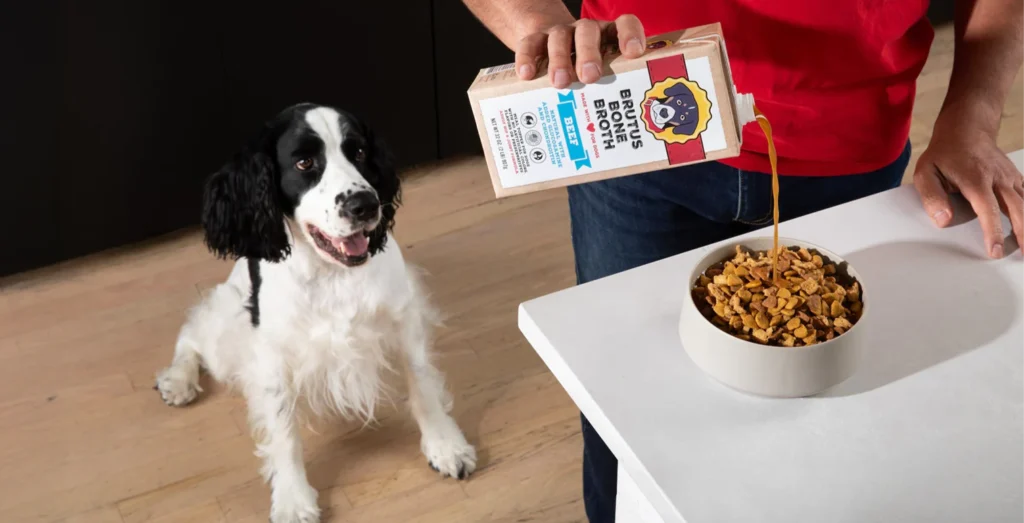
Dogs respond to smell first. Always have. When I warmed the broth slightly and poured a few tablespoons over dry food, even my stubborn boarders would at least sniff, then lick, then eat. That pattern repeated enough times that it became part of my routine.
Choosing the Right Bones and Ingredients
I keep things simple here. Most of my batches use chicken carcasses, beef marrow bones, or lamb joints, depending on what is available that week. The key is using raw or cooked bones without heavy seasoning, and I avoid anything that has been fried or heavily salted.
For anyone who prefers buying ready-made options, I once compared a few brands of dog supplements online to see how they stack up against homemade broth. While some were decent, I still prefer controlling every ingredient myself.
I usually toss in a splash of apple cider vinegar, about one tablespoon per large pot. That helps pull minerals from the bones during the long simmer. I sometimes add carrots or a small piece of celery, but I never use onions or garlic because they are not safe for dogs.
Water level matters. I cover the bones by about two inches, no more. Too much water and the broth ends up thin and not very useful for flavor or nutrition.
My Cooking Process After a Few Dozen Batches
I use a large stockpot that holds roughly eight liters. Once everything is in, I bring it to a light boil, then drop it to a very low simmer. The goal is slow extraction, not aggressive boiling.
Time depends on the bones. Chicken takes about 12 hours, while beef can go up to 24 hours for a thicker, richer result. I have done overnight batches more times than I can count, and the house always smells like something worth eating.
Foam will rise in the first hour. I skim it off with a spoon and throw it away. It is not harmful, but it makes the broth cloudy and slightly bitter.
I never rush this step. Low heat wins.
Cooling, Storing, and Serving It Safely
Once the cooking is done, I strain everything through a metal sieve into another pot. Bones go straight into the bin because cooked bones can splinter and should never be given to dogs.
I let the broth cool to room temperature for about an hour before refrigerating it. By the next morning, it usually turns into a soft gel, especially with beef bones. That texture tells me I did it right.
I store it in small containers, roughly 250 ml each, so I can thaw only what I need. In the fridge, it lasts about four days. In the freezer, I have kept it for three months without issues.
Serving is easy. A few spoonfuls over kibble is enough for most dogs. For larger breeds, I might use half a cup. I never serve it hot. Lukewarm is perfect.
Common Mistakes I Learned the Hard Way
I used to add too many vegetables. That was a mistake. One batch had too much carrot and turned slightly sweet, and the dogs showed less interest than usual.
Another issue was salt. Early on, I absentmindedly used leftover bones from a seasoned roast, and the broth turned out too salty for everyday use. Since then, I only use plain bones or rinse them thoroughly before cooking.
Overcooking can also backfire. Once I pushed a batch past 30 hours out of curiosity, the flavor became dull rather than richer. There is a limit to what you can extract before it starts breaking down too far.
I keep notes now. Short ones.
Small adjustments matter more than big ones. That is what I have learned.
Making dog bone broth is one of those habits that quietly improves daily care without much extra effort. I still make a batch every week or so, especially during colder months when dogs seem to appreciate warm food more. It is not complicated, but it rewards patience and attention. Once you get your rhythm, it becomes second nature.