
I run a small boarding and daycare kennel outside town and spend my days watching dogs grow up. Owners often ask how long their dog will stay a puppy, but there’s no simple answer. Some tiny pups act grown by six months, while giant breeds behave like clumsy toddlers past a year. Maturity depends on more than age—it shows in behavior, body, and interactions with other dogs.
What “Puppy Stage” Really Means in Daily Life
In my experience, the puppy phase is defined by a mix of behaviors: chewing, sudden bursts of energy, and short attention spans. A dog can be eight months old and still feel like a full-time project if it hasn’t settled mentally, while another of the same age may nap most of the day and follow commands easily.
Small to medium dogs start calming down around 9 to 12 months. At that stage, I notice fewer accidents in the kennel and less frantic barking at new arrivals. Large breeds take longer; one Labrador I regularly board still acts like a bouncing pup at 16 months.
Puppies grow rapidly in their first six months, with frequent changes in appearance. However, behavioral maturity takes longer. I tell new owners their dog may appear grown before it actually acts grown.
Age Ranges by Size and Breed
If you want a rough timeline, size matters a lot. Small breeds like Dachshunds or Pomeranians often leave the puppy phase earlier, sometimes as early as 8 months. Medium breeds land somewhere in the middle, usually settling between 10 and 14 months. Giant breeds like Great Danes can take up to 18 or even 24 months before they truly mature in both body and mind.
I remember a customer last spring who brought in two dogs from the same litter, both mixed breeds but very different in size. One stopped chewing everything in sight by month 10, while the larger one was still shredding blankets at month 15. Genetics matters more than people expect. Breed traits show up in surprising ways.
Some owners look for outside help when their dog seems stuck in that wild phase, and I have pointed a few of them toward resources like how long a dog is in pup when they needed structured training advice beyond what I could offer during boarding. It can make a difference when the issue is more about training gaps than age itself. Even a six-month-old pup can behave calmly with the right guidance.
Energy levels tell a story too. For example, a young Border Collie will still act like a puppy at a year old if it is not getting enough mental work. In contrast, a Basset Hound might appear mature early simply because it was never that hyper to begin with.
Behavior Changes I Notice First
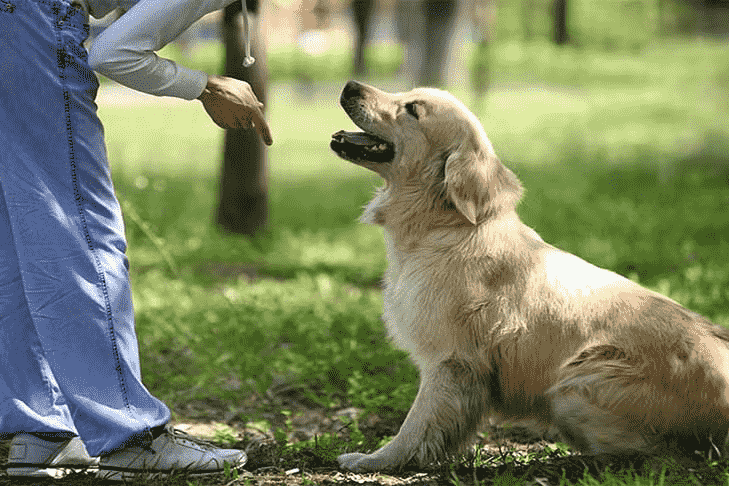
The first sign a dog is leaving puppyhood is usually better focus. Commands start sticking. I see it during feeding time when a dog waits instead of jumping on the gate. That shift often occurs around the 7- to 10-month mark for many dogs, marking a key transition in their maturity.
Chewing habits change, too. Puppies explore with their mouths, which shows in gnawed shoes and scratched furniture. Once adult teeth are in, usually by six months, the child can chew drops, but the habit can linger without correction. Some dogs keep it into their second year if not redirected early. This persistence highlights why early guidance makes such a difference.
Social behavior matures, too. Younger puppies tend to overreact, either with fear or excitement. Older ones learn to read other dogs better. In my yard, I can spot the difference in seconds. A true puppy rushes in without thinking. A maturing dog pauses, watches, then decides how to approach.
Why Some Dogs Stay “Puppies” Longer
Training plays a bigger role than many realize. Without structure, dogs appear stuck in puppy mode, even as adults. I have seen dogs over two years old still misbehave due to a lack of consistency.
Exercise is another factor that shapes behavior. Dogs with pent-up energy act younger because they are always looking for an outlet. For example, a 12-month-old dog that gets two proper walks a day behaves very differently from one that barely leaves the yard. The difference is night and day.
Some breeds are just playful longer. Retrievers, for example, keep puppy-like personalities into adulthood. It’s charming, but it can test an owner’s patience if expecting a calm dog after the first year.
Health can influence things, too. Poor diet or lack of stimulation can delay both physical and mental development. I once cared for a dog that seemed unusually sluggish at eight months, and it turned out the issue was nutritional. Once that improved, its behavior caught up quickly.
When I Consider a Dog Fully Grown
For me, a dog stops being a puppy when its behavior stabilizes more than its body. That usually means it can handle routine without constant correction. It knows when to settle. It reacts calmly to familiar situations. That point often falls between 12 and 18 months for most of the dogs I see.
There is no single moment where it flips. It is gradual. One week, the dog is chewing everything, and a few weeks later, it ignores the same objects completely. Those small shifts add up over time.
I also pay attention to recovery time. Puppies get overstimulated fast and take longer to calm down. Mature dogs bounce back quicker after excitement. That change is subtle but very telling.
Some dogs never lose their playful side. That’s fine. A bit of puppy energy is good, especially for active homes. The goal is balance, not perfection.
From years of experience, I’ve found most dogs leave the true puppy phase by their first year. However, factors like size, training, and routine affect this timeline. The key takeaway for owners is to observe behavior, not age, since behavior best indicates their dog’s maturity.