
I work as a veterinary assistant at a small-animal clinic and also help pet owners design indoor and balcony plant setups that won’t put their cats at risk. The question about dianthus comes up more often than you would expect, especially from people who love flowering plants but also share their homes with curious cats.
I’ve handled cases where pets chewed on decorative plants, so I’ve learned to look at each species a bit more carefully than a typical gardener might. Dianthus, with its bright, clove-scented blooms, often sits right in that gray area for cat owners.
Understanding dianthus and why cats interact with it
Dianthus is a broad group of flowering plants that includes carnations and sweet William, commonly used in home gardens and decorative pots. In my clinic work, I’ve seen these flowers on balconies and in living rooms because they are easy to maintain and bloom for long periods. Cats, especially indoor ones, are naturally drawn to textured leaves and anything that moves slightly in the airflow. That curiosity is where most plant-related concerns begin, rather than from intentional eating habits.
I remember a customer last spring who brought in a young tabby after noticing it chewing on a small pot of dianthus placed near a window. The cat showed no severe reaction, but the owner was understandably worried because it was the first time they had seen that behavior. In cases like that, I usually explain that not every plant interaction leads to toxicity, but observation is still important. Many pet owners assume all ornamental flowers are equally dangerous, but this is not always true.
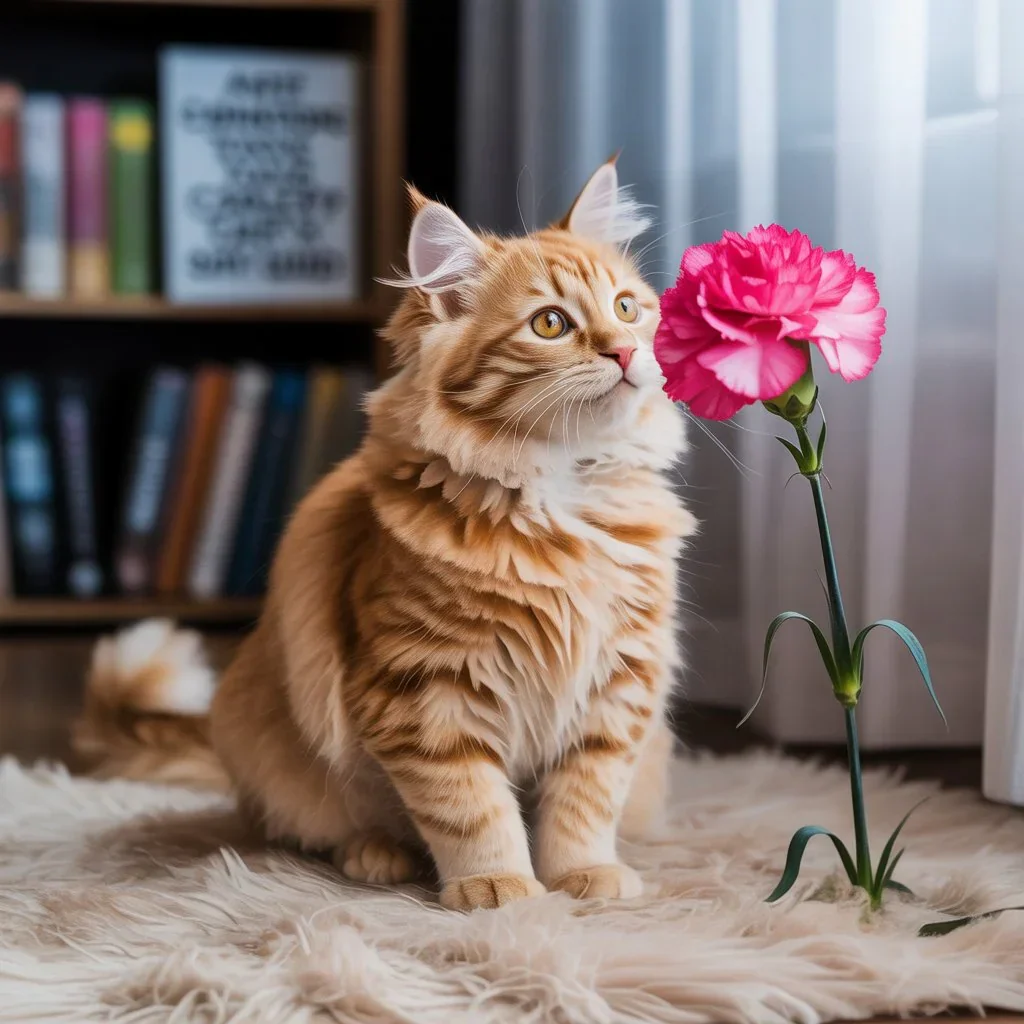
From what I’ve seen over time, dianthus is generally considered non-toxic to cats, but that does not mean it is completely risk-free in practice. Even safe plants can cause mild stomach upset if eaten in larger amounts, especially in younger or more sensitive cats. I always remind owners that physical irritation from chewing stems or leaves can still lead to drooling or temporary discomfort. So the concern is less about poisoning and more about digestive sensitivity and behavior patterns.
What I tell cat owners about safety and plant choices
In most consultations, I explain that dianthus does not appear on the common toxic plant lists used in veterinary practice, which is reassuring for many cat owners. However, I still encourage people to treat it with the same caution they would any non-food plant in a home with pets. A client I worked with kept several hanging baskets of dianthus in a bright kitchen corner, and their cat showed mild interest but never developed symptoms. For pet-safe plant sourcing, I sometimes suggest checking trusted local nurseries or guidance resources like ” Are dianthus safe for cats, especially when someone is redesigning their indoor space.
The reality is that “safe” does not always mean “ignore completely.” Cats vary a lot in behavior, and I’ve seen two cats in the same home react very differently to the same plant. One may ignore dianthus entirely, while another may nibble it out of boredom or curiosity. That difference is why I never rely solely on plant lists when advising owners on safety in shared environments.
There is also a practical side to this discussion that many people overlook. Even non-toxic plants can become a problem if they are treated with pesticides or chemical sprays before being brought into the home. I’ve had at least a few cases where the plant itself wasn’t the issue, but the leaf residue caused mild oral irritation. That’s something I always ask about during consultations because it changes how I advise follow-up care.
Signs I watch for after plant chewing incidents
When a cat is brought in after chewing on dianthus or another plant, I usually start by observing basic behavior rather than making assumptions. Most mild cases involve drooling, slight vomiting, or reduced appetite for a short period. In my experience, these symptoms often resolve within a day if the ingestion was minimal. Still, I prefer owners to monitor closely rather than wait it out blindly.
There was a case involving a rescue cat that had access to several indoor flowering pots, including dianthus and a few herbs. The owner noticed mild lethargy and called in after a few hours of uncertainty. The cat recovered quickly after supportive care and observation, reinforcing a key point I often share: even safe plants can cause temporary digestive disruption if eaten in excess. The important factor is pattern recognition, not panic.
I also look for behavioral triggers when these incidents happen. Boredom, lack of stimulation, or even simple curiosity can lead cats toward plants they would normally ignore. I’ve seen that cats in smaller apartments with limited enrichment tend to interact more with decorative greenery. Addressing environmental issues often prevents repeat incidents more effectively than removing a single plant.
Practical ways I help owners prevent repeat chewing
Over the years, I’ve noticed that prevention works better when it focuses on the environment rather than restriction alone. I usually suggest placing plants like dianthus in elevated or less accessible spots where cats can still coexist visually without direct contact. Some owners also rotate plants between indoor and outdoor areas depending on the season and pet behavior patterns. That small adjustment often reduces curiosity-driven chewing.
Another approach I often recommend is increasing alternative stimulation for the cat itself. When cats have enough playtime, scratching posts, and interactive toys, their interest in plants tends to decrease naturally. I’ve seen households where adding just ten to fifteen minutes of daily active play significantly reduced plant interference. It is not a strict formula, but the pattern shows up frequently enough to mention.
In some homes, I also advise choosing plant placement based on the cat’s personality rather than the plant itself. One owner I worked with had a very calm older cat that ignored all plants, while a new kitten required a complete rearrangement of the living room setup. Adapting the environment to the animal’s behavior is often more effective than trying to generalize safety rules for every situation.
When I look at dianthus specifically, I don’t treat it as a high-risk plant for cats, but I also don’t label it as something to ignore completely. The balance comes from understanding both plant characteristics and individual pet behavior. That combination is what actually keeps homes safe rather than relying on single yes-or-no answers.
Most cat owners I meet are surprised to learn that the concern is less about toxicity and more about habits and environment. Once that shift in thinking happens, managing plants like dianthus becomes much easier and far less stressful. The goal is always the same in my work: a home where both plants and pets can exist without unnecessary worry.
