
I run a small in-home dog daycare where I usually have 7 dogs rotating through the space each day, and I notice that panting quickly becomes constant. Owners often assume it is just heat or excitement, but I have learned that the reason is not always that simple. I have had dogs pant for completely harmless reasons and others where it signaled something that needed attention. The trick is reading the pattern, not just the behavior.
Normal Panting vs Something Off
Dogs pant. That part is normal. It is how they cool themselves down, especially after activity or during warmer parts of the day. I expect to hear steady panting after a 15-minute play session or a walk outside, and it usually settles within 10 to 20 minutes once the dog rests.
Panting that does not fit the situation stands out. A dog lying calmly on a cool floor but breathing heavily is different. I once had a dog that panted for an hour indoors, despite comfortable conditions and calm surroundings. That kind of mismatch is what I watch for.
Short bursts of panting are normal, but if it lasts longer than expected, look for a reason. Prolonged panting always needs context to determine whether it’s normal.
Heat, Stress, and Simple Explanations
In many cases, the cause is straightforward. Heat is the most obvious one, especially in dogs with thick coats or shorter snouts that struggle more with airflow. Even a few degrees difference in room temperature can change how a dog feels, particularly if they are used to a cooler home environment.
Stress is another big factor that people overlook. When a new dog arrives at my place, I expect some level of panting for the first few hours as they adjust to unfamiliar smells, sounds, and other dogs. If someone wants a general overview before we talk it through, I sometimes suggest they read “Why Won’t My Dog Stop Panting?” to get a baseline understanding of the common triggers.
Excitement also plays a role. Some dogs take longer to settle than others. I’ve seen younger dogs take 30 minutes or more to calm after play, even when the rest have moved on. Panting Points to Pain
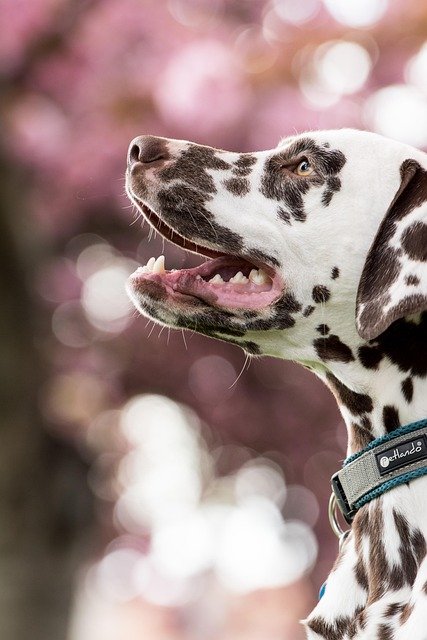
Panting can be a quiet signal of discomfort. This is one of the hardest things to explain to owners because there is no obvious injury to point to. I have had dogs pant steadily while showing no limping or visible signs, only to later reveal joint pain or abdominal discomfort.
One older dog panted heavily every evening. Though it looked like restlessness, it turned out to be pain that worsened later in the day after a vet check.
Subtle signs—like consistent panting with no clear cause—are the main clues owners should watch for.
Medical Reasons I Take Seriously
There are situations where I stop guessing and push for a vet visit. Persistent panting paired with other symptoms raises concern quickly. I look for changes in appetite, unusual thirst, or signs of lethargy that go beyond normal tiredness.
Some conditions that can show up this way include respiratory issues, heart problems, and hormonal imbalances. I am not diagnosing anything in my setup, but I have seen enough patterns to know when something feels off. A dog that pants heavily at rest for more than a full day without improvement is not something I ignore.
Medications can also play a role. I have had dogs on certain treatments that caused increased panting as a side effect, and in those cases, I coordinate closely with the owner to monitor any changes. Knowing the dog’s history makes a difference here.
How I Manage It in My Space
I focus on the environment first. I keep the indoor temperature steady and provide multiple cool resting spots so dogs can spread out. I also control activity levels, especially during warmer hours, to prevent overheating before it starts.
Observation is constant. I watch how long the panting lasts, what triggered it, and how the dog behaves as it slows. Patterns emerge quickly when you have several dogs to compare at the same time.
If a dog seems anxious, I create distance from the group and give them a quieter corner to settle. This alone reduces panting in many cases within 15 minutes. Small adjustments can have a noticeable impact when the cause is environmental or emotional rather than physical.
What I Tell Owners Before They Worry
I remind owners to compare timing and duration. Panting after activity or in the heat is usually fine, but if it persists, note when it occurs.
But when panting appears suddenly at rest or persists with other unusual behaviors, that’s when to look more closely or consult a vet.
Dogs do not explain what they feel. Panting is one way they show it.
After seeing this with dozens of dogs, I look for trends, not moments. One episode rarely tells the story, but repeated behavior over hours or days points to a clearer direction. This has kept me from overreacting in simple cases while catching early signs when needed.