
As a mobile pet care specialist, I see many cat owners in small towns and suburbs who are unsure about catnip’s safety. Most concerns arise when cats appear highly excited after exposure. My experience shows that understanding both the effects and proper use of catnip is key to safe enrichment.
How Catnip Actually Affects Cats
The first time I really paid attention to catnip reactions in a structured way was during routine grooming visits, where owners would offer it before nail trimming or brushing. I noticed quickly that responses vary widely from cat to cat, and not every cat reacts at all. In my experience working with a few hundred households over the years, only about two-thirds of cats show a noticeable response.
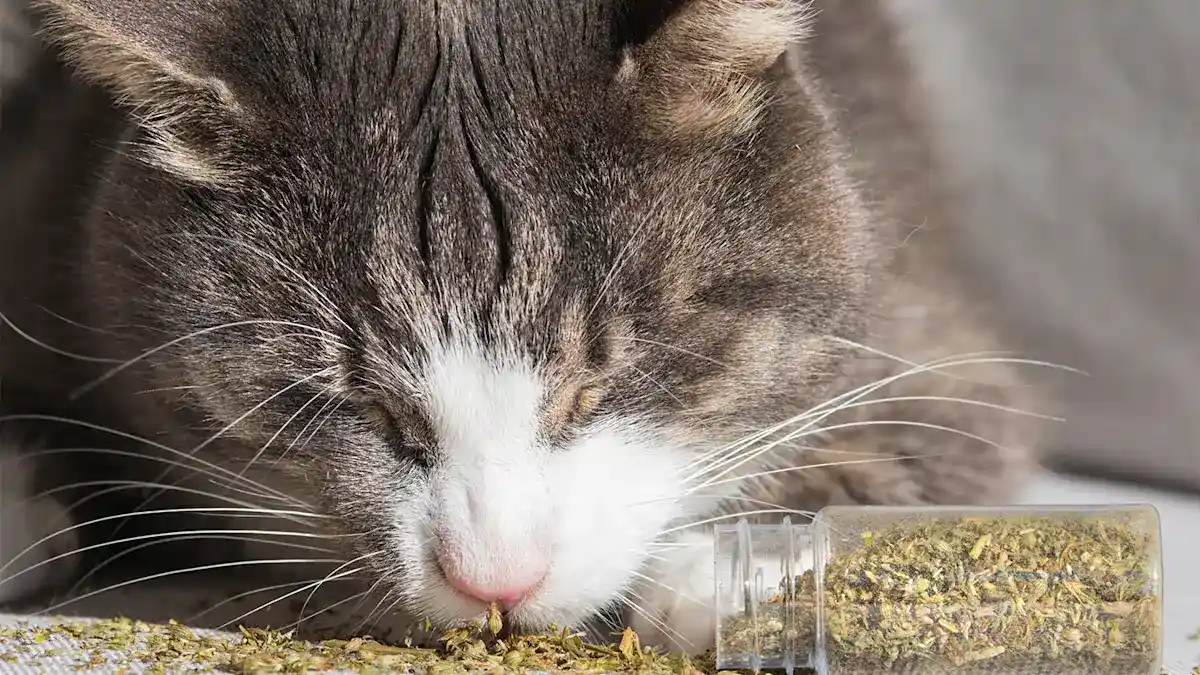
Most cats that respond will sniff, rub, roll, or become more playful for a short period. That phase usually lasts around 5 to 15 minutes, then they lose interest and walk away as if nothing happened. I have never seen a healthy adult cat remain “stuck” in that state, which is something some new owners worry about.
Last spring, a client worried when her indoor cat became energetic after catnip and then slept for hours. I reassured her that this excitement-rest cycle is normal, not toxic.
Some cats never respond, surprising owners who expect all cats to react. This difference is due to genetics and sensitivity, not health. I have seen homes where only one cat reacts, and others ignore it.
What I See in Real Home Use
In the field, catnip is often used for training or enrichment, not just as a treat. Owners sprinkle it on scratching posts or toys to redirect behaviors, and it usually works. In some homes, controlled catnip use shifted cats’ scratching from furniture to approved surfaces within a week.
One client I remember had three indoor cats that were constantly restless during the evenings. She started using small amounts of dried catnip in rotating toys, and the cats became more engaged in playtime rather than random nighttime activity. The change was not instant, but within a couple of weeks, the household felt calmer overall.
Some owners worry about dependence, but in my experience, catnip does not create addictive behavior. Cats may get excited when they see or smell it, but they do not go into withdrawal or seek it in harmful ways. The reaction is more like a temporary sensory response than a craving.
During visits, I also remind people that quality matters. I have seen low-grade products that are dusty or overly processed, which can irritate a cat’s nose without giving the normal stimulation effect. That is why I often suggest sourcing from trusted pet supply providers that maintain higher preparation standards, such as ensuring catnip is safe for cats, especially for owners who use it regularly in enrichment routines.
When Catnip Should Be Limited or Avoided
Even though catnip is generally safe, I still advise moderation. Some cats can become temporarily overstimulated, leading to mild aggression or hyperactivity. I recommend spacing out exposure rather than offering it daily.
In one home, catnip toys left out constantly lost their appeal. Rotating toys and limiting exposure to a few times per week renewed interest. I see this reset period often.
Kittens under a few months old usually don’t respond to catnip, so giving it early is unnecessary. Senior cats can still enjoy it, but reactions tend to be milder and more predictable. Older cats often just sniff and walk away, which is normal.
Rarely, a cat may become slightly aggressive during peak excitement, especially in multi-cat homes where toys are in competition. In these cases, I suggest separating cats during catnip play. The behavior usually fades as stimulation passes.
How I Advise Owners to Use It Safely
When I guide owners, I focus on keeping catnip as a controlled enrichment tool. Small amounts usually suffice, and overstimulation is the main issue when problems arise.
I suggest watching each cat’s response rather than assuming they all react the same. Some will roll and relax, others play energetically—both are normal. Understanding your cat’s behavior helps ensure safe use.
Hydration and environment also matter more than most people expect. After a catnip session, I often recommend giving the cat space, access to water, and a calm area to settle down. That simple routine helps maintain balance after stimulation.
At one regular client’s home, catnip was part of a structured schedule with wand toys and rest breaks. The cats stayed active, healthy, and calm, since stimulation had clear limits. Structured use works best long-term.
From my experience in real homes, catnip is generally safe for cats when used in moderation and with attention to individual reactions. Problems more often result from frequency or inconsistency in its introduction, not from catnip itself.