
A Veterinarian’s Perspective from Daily Practice
I’ve been a licensed small-animal veterinarian practicing in Texas for over a decade, and I’ve handled more nutrition questions than I can count. Diet discussions arise during routine checkups, allergy consultations, weight management plans, and even emergency visits.
Eukanuba is one of those brands that pet owners regularly ask about. Some are switching from grocery-store kibble. Others are comparing it to premium veterinary diets. And a few come in already feeding it and want to know if they should stick with it.
Based on real clinical cases, my main judgment is this: Eukanuba delivers solid, research-based nutrition for many dogs, especially the active and large breeds. Still, it’s important to recognize that no single food meets every dog’s unique needs—effectiveness depends on how each dog responds.
What I’ve Actually Seen in Dogs Eating Eukanuba
My opinion of any dog food comes less from marketing claims and more from physical results: coat quality, digestion, muscle tone, energy levels, and long-term health patterns.
One case that stands out involved a young working Labrador I saw last spring. He had been on a generic supermarket brand and struggled to maintain muscle despite heavy activity. His owner switched to a high-protein Eukanuba performance formula after we discussed energy density and digestibility. Within about two months, the dog’s body condition improved noticeably. Firmer muscle, steadier energy during training, and fewer large stools — a practical sign of better nutrient absorption.
That kind of response isn’t unusual with active breeds.
On the other hand, I’ve also seen dogs who didn’t thrive on it. A middle-aged terrier with a sensitive digestive system developed soft stools after transitioning to Eukanuba too quickly. Once we slowed the transition and eventually moved her to a limited-ingredient diet, her gut stabilized. The food itself wasn’t “bad” — it just wasn’t the right match for her digestive tolerance.
Those two examples capture the reality of most dog foods, including Eukanuba: quality nutrition, but individual response matters.
Why Many Veterinarians Are Comfortable Recommending It
One reason Eukanuba has remained clinically relevant for decades is its nutritional formulation approach. The brand focuses heavily on animal-based protein, controlled mineral balance, and life-stage-specific formulas.
In everyday practice, I pay attention to three practical markers:
Muscle maintenance
Dogs that need sustained lean mass — working dogs, sporting breeds, or naturally athletic dogs — often do well on Eukanuba’s protein structure. I’ve seen reliable maintenance of body condition without excessive weight gain.
Digestibility
Many dogs produce smaller, firmer stools compared to lower-quality kibble. That tells me more of what they eat is actually being used by the body.
Targeted formulas
Large-breed puppies, seniors, and performance dogs all have different nutritional needs. Eukanuba addresses those differences with fair precision, helping prevent growth or joint problems in fast-growing breeds.
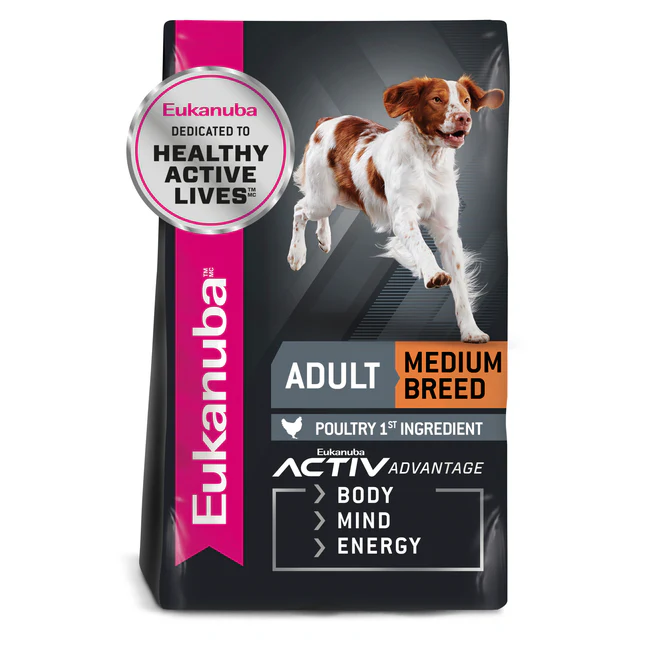
How It Compares to Other Premium Brands in Practice
Clients frequently ask how Eukanuba stacks up against brands like Purina Pro Plan or Hill’s Science Diet.
From a clinical standpoint, they sit in a similar tier: research-driven, nutritionally consistent, and widely trusted in veterinary medicine. I don’t consider Eukanuba inferior to either. The main differences usually come down to formulation style and how an individual dog responds.
I’ve had patients who do beautifully on Eukanuba but develop itchy skin on another premium brand. I’ve also seen the reverse. Nutrition isn’t one-size-fits-all, even among high-quality foods.
A Real-World Mistake I See Often
The most common problem isn’t the food — it’s how owners switch to it.
A few months ago, a client adopted an adult German Shepherd and immediately replaced his previous diet with Eukanuba. Within 48 hours, the dog had diarrhea and vomiting. The owner assumed the food was of poor quality.
But sudden diet changes disrupt gut bacteria. After we paused feeding briefly and restarted with a slow transition over 10 days, the dog tolerated the same food perfectly.
Whenever I hear someone say a premium brand “didn’t suit” their dog, I almost always ask how quickly they switched to another brand.
Where Eukanuba May Not Be the Best Choice
Even though I generally view it as a solid option, I don’t recommend it blindly.
Some situations where I often suggest alternatives:
- Dogs with confirmed food allergies requiring limited-ingredient or hydrolyzed diets
- Dogs needing strict veterinary therapeutic nutrition (kidney disease, severe GI disorders)
- Extremely sedentary dogs that gain weight easily on energy-dense formulas
In these cases, more specialized diets usually work better.
The Company Behind the Brand Matters
Eukanuba is produced by Mars Petcare, one of the largest and most established pet nutrition manufacturers globally. In clinical nutrition, manufacturing consistency matters more than most owners realize. Reliable sourcing, testing, and formulation control reduce the chance of nutrient imbalances.
From a veterinary standpoint, that consistency is reassuring. I want predictable nutrition, not surprises.
My Professional Bottom Line
If a healthy dog with normal digestion and typical activity levels eats Eukanuba and maintains good body condition, stable stools, a healthy coat, and steady energy, I see no reason to change.
In my daily practice, I consider it a dependable, research-based dog food that performs especially well for active and large-breed dogs. It’s not a universal solution, but it’s far from a risky choice.
The best dog food is the one that keeps an individual dog thriving over time. Eukanuba does that for many of the dogs I treat — and that’s the standard that matters most in real veterinary medicine.