
Insights from a Practicing Veterinarian
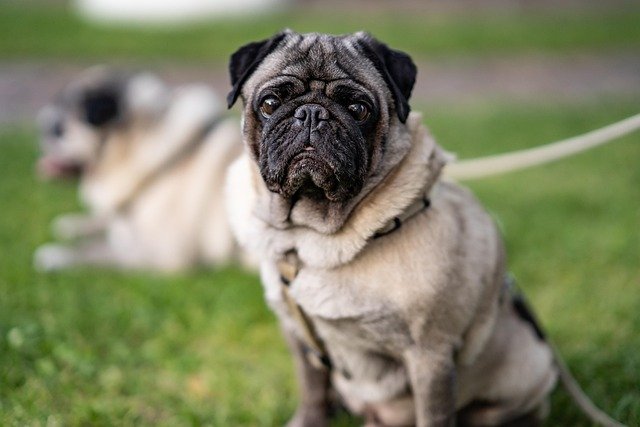
As a licensed veterinarian practicing in Texas for over a decade, I’ve spent countless hours examining and treating pugs. Their distinctive flat faces and charming personalities make them a popular breed, but these same features also predispose them to a unique set of health challenges. Over the years, I’ve learned that understanding these risks and addressing them early can dramatically improve a pug’s quality of life.
One case that stands out involved a young pug named Max. He came in for routine check-ups, but his owner mentioned that he seemed unusually tired during short walks. On examination, it became clear that Max was struggling with brachycephalic airway syndrome—a condition common in pugs due to their shortened skulls.
The narrowing of his nostrils and the elongation of his soft palate made breathing difficult, even during mild activity. We worked together on a weight management plan and scheduled a minor corrective surgery, which drastically improved his energy and overall comfort.
Brachycephalic Airway Syndrome
Pugs’ flat faces, while endearing, come with significant respiratory issues. Stenotic nares (narrow nostrils) and elongated soft palates can lead to labored breathing, snoring, and heat intolerance. In my practice, I often see owners assume their pug’s heavy breathing is “normal for the breed,” but it can indicate severe obstruction.
For example, a customer last spring brought in Bella, a six-year-old pug, who struggled to walk across the clinic on a warm day. Immediate intervention included cooling measures and evaluation for potential airway surgery. She recovered well, but this scenario is a reminder that heat and exertion pose real risks for pugs.
Eye Problems
Their large, prominent eyes are another area of concern. Corneal ulcers and dry eye (keratoconjunctivitis sicca) are prevalent. I recall a situation where a pug named Toby developed a deep corneal ulcer after rubbing his eye against furniture. The treatment involved topical medications and protective measures to prevent further trauma. Pugs’ eyes are vulnerable due to their shallow sockets, so that minor scratches can escalate quickly.
Skin and Fold Issues
Pugs have deep skin folds around their faces and bodies that trap moisture and debris. In several cases, I’ve treated skin infections caused by neglected folds. One memorable example involved a customer who didn’t realize their pug’s under-chin folds were harboring bacteria. Simple cleaning routines and medicated wipes cleared the infection, but it required consistent maintenance.
Joint and Obesity Concerns
Pugs are prone to obesity, which can exacerbate joint issues like hip dysplasia or patellar luxation. I often see owners unintentionally overfeeding treats, which worsens their dog’s mobility. A middle-aged pug in my care developed severe knee instability; weight management and tailored physiotherapy helped improve his movement, but it could have been avoided with earlier intervention.
Digestive Sensitivities
Lastly, digestive problems such as bloating or a sensitive stomach are common. A young pug named Luna arrived with recurring episodes of vomiting. By adjusting her diet to smaller, high-quality meals and monitoring for food intolerances, we resolved the issue without medication. These cases show that diet management is a key part of maintaining a pug’s health.
Reflections from Practice
From my experience, pug owners often underestimate the breed’s unique needs. Routine veterinary check-ups, preventive care, and attentive home monitoring can make a substantial difference. I usually advise focusing on:
- Maintaining a healthy weight
- Monitoring breathing and exercise tolerance
- Regular eye and skin care
- Preventive dental care
Over the years, I’ve found that owners who follow these practices enjoy pugs that are not only happy but thrive well into their senior years. Observing the difference in a pug who receives consistent care versus one who does not is remarkable—improved energy, less pain, and a much better quality of life.
In my practice, there’s nothing more rewarding than seeing a pug’s transformation after careful attention to these health concerns. They are affectionate, loyal, and full of personality, and with proper care, these little dogs can live long, joyful lives.