
As a licensed veterinarian practicing in Texas, I’ve spent years observing and treating cats during their heat cycles. One of the first things I always tell clients is that a cat in heat can behave in ways that seem extreme or puzzling, but there is a clear biological purpose behind these behaviors.
Recognizing what’s typical—and what signals a problem—helps owners respond effectively and keep their pets safe.
Vocalization and Attention-Seeking
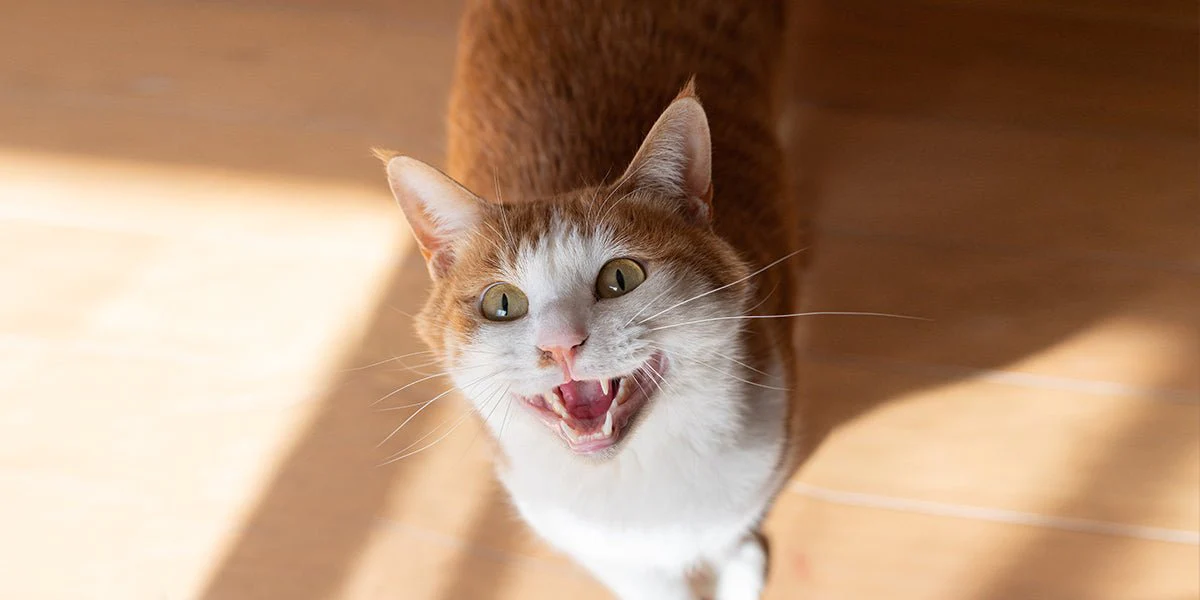
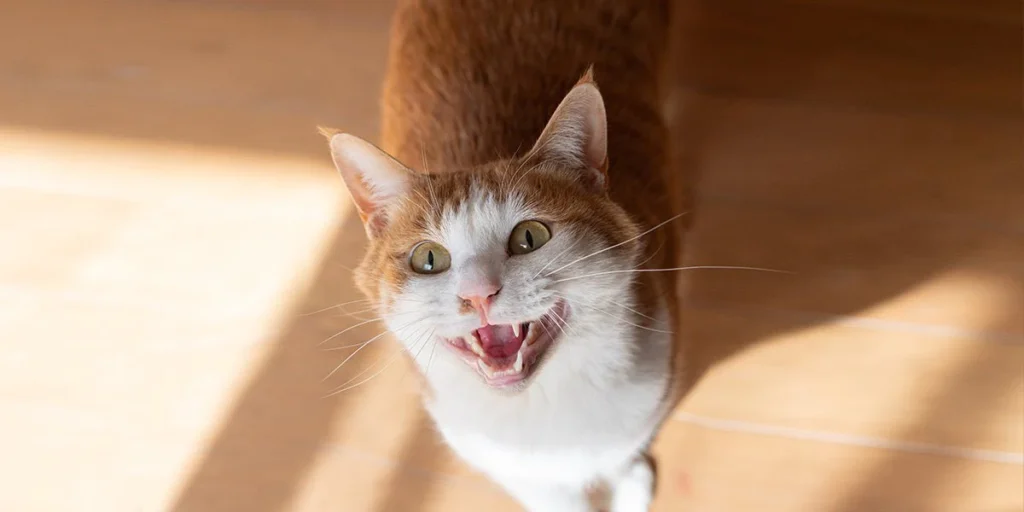
Cats in heat often become extremely vocal. I remember a client last spring who brought in her six-month-old cat because she thought the cat was in pain due to constant yowling. In reality, the cat was expressing reproductive readiness.
This vocalization can be relentless, especially at night, and is usually accompanied by rubbing against furniture, people, or even walls. Many owners mistake this for affection or anxiety, but it is primarily instinctual. Understanding this prevents frustration and misinterpretation of the cat’s behavior.
Restlessness and Increased Activity
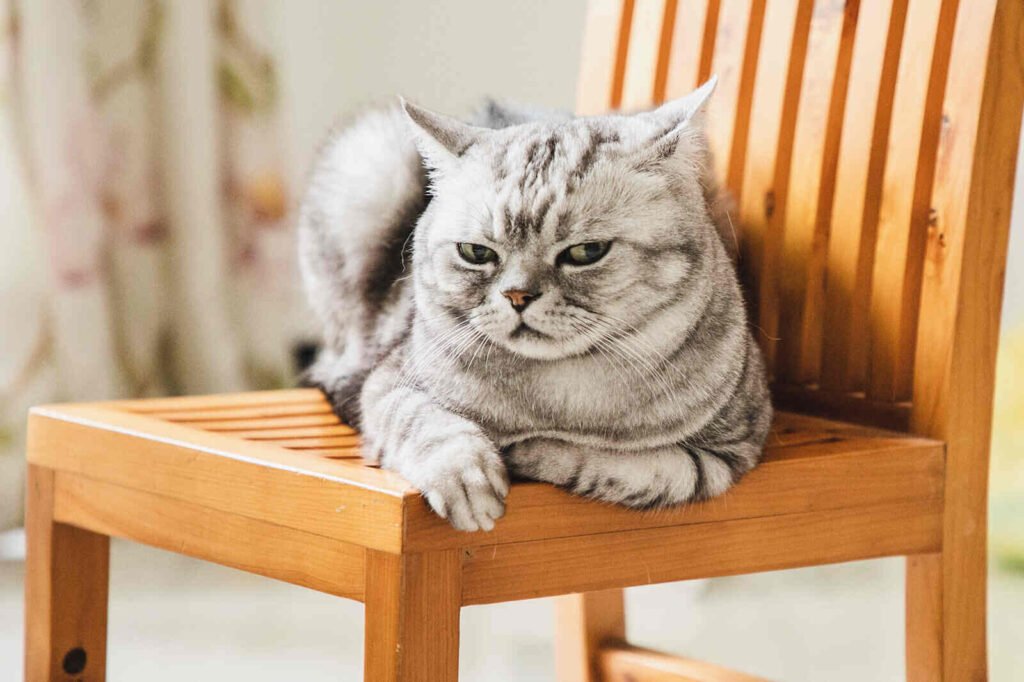
Cats in heat frequently exhibit restless behavior, pacing around the house or attempting to escape outdoors. I’ve seen several cases where cats climbed high shelves, knocked over objects, or scratched at doors to get outside.
One client last summer mentioned her cat spent hours at the window, meowing loudly and attempting to squeeze through the screens. These behaviors are driven by the cat’s urge to find a mate. It’s a safety concern because outdoor exposure increases the risk of accidents, fights with other animals, and potential disease transmission.
Affection and Rolling Behavior
Cats in heat often become unusually affectionate, rubbing their bodies against owners and rolling on the floor. During one clinic visit, a client was concerned that her normally reserved cat was suddenly clingy and constantly rolling on carpets.
I explained that this is a common heat behavior, often accompanied by vocalizations and posturing that signal readiness to mate. While some owners find this endearing, it can be disruptive, especially in multi-cat households where tension may rise.
Posturing and Physical Signals
A key behavior that signals heat is the “lordosis” posture—arching the back, raising the hindquarters, and moving the tail to the side. I frequently use this visual cue during examinations. It can appear sudden and alarming to owners who aren’t expecting it.
Alongside this, some cats may spray small amounts of urine to mark territory or communicate reproductive status. This is why confinement and monitoring are necessary for indoor cats.
Owner Missteps and Practical Management
A common mistake I see is owners assuming these behaviors indicate illness or behavioral problems, leading to unnecessary stress or vet visits. While a veterinary assessment is always appropriate if owners are unsure, education about heat behaviors can prevent unnecessary concern. Another frequent error is leaving cats unsupervised outdoors, which can result in fights, injuries, or unplanned pregnancies
Spaying remains the most effective method for preventing heat cycles and associated behaviors. In my experience, owners who choose early spaying notice a marked reduction in vocalization, restlessness, and mating behaviors, making the home environment calmer and safer.
Observing and Responding
Understanding a cat in heat behavior allows owners to respond practically:
- Recognize that vocalization, rubbing, and restlessness are instinctual.
- Monitor indoor cats to prevent escapes and accidents.
- Provide safe enrichment to reduce stress from restlessness.
- Consider spaying to eliminate recurring heat cycles and prevent health risks such as uterine infections or unintended litters.
Observing these patterns in a calm and informed way helps owners provide safety, comfort, and effective care during a cat’s heat cycle. Responsible management minimizes risks for both the cat and the household while respecting natural feline behavior.
