
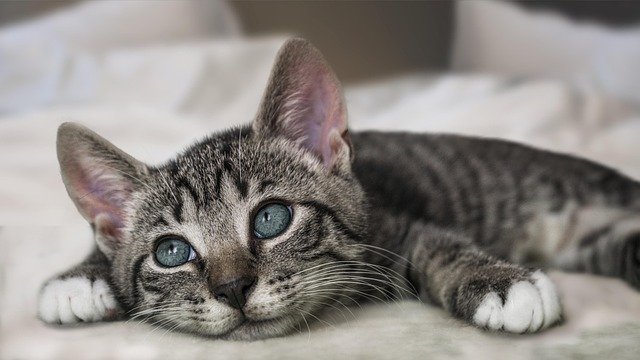
As a licensed veterinarian practicing in Texas, I’ve treated thousands of cats over the years. One thing I routinely clarify for owners is this: “tabby” is not a breed. It’s a coat pattern. The striped orange cat sprawled across the sofa, and the silver-gray cat with dramatic swirls at the clinic may behave very differently — even though both are tabbies.
That said, patterns do emerge.
After years of hands-on work in exam rooms, surgical suites, and behavior consultations, I’ve noticed consistent tendencies among tabby cats, especially in how owners interpret their behavior.
Tabby Is a Pattern, Not a Personality
Tabby markings appear in many breeds and mixed-breed cats. You’ll see classic swirls, mackerel stripes, spotted coats, and ticked patterns. Because the pattern is so common — particularly in domestic shorthairs — many people associate certain personalities with “tabbies.”
In practice, what owners often describe as “typical tabby behavior” is more accurately linked to early socialization, genetics from mixed lineage, and environment. Most tabbies I see are domestic shorthairs or longhairs with diverse genetic backgrounds, which often results in adaptable, resilient temperaments.
That adaptability is something I genuinely appreciate in clinical settings.
Social and Outgoing Tendencies
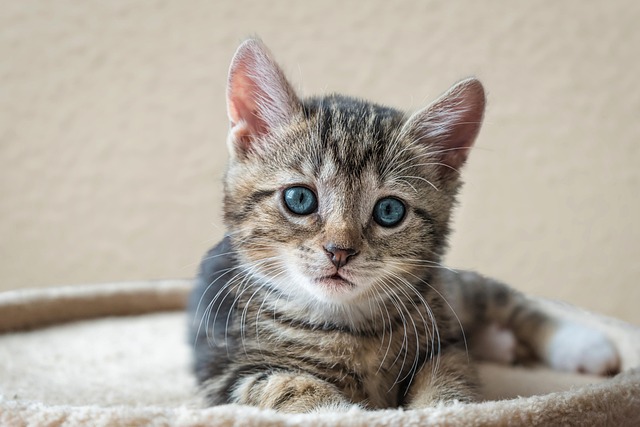
Many tabby cats I examine are notably social. They may vocalize frequently, rub against legs, and confidently explore exam tables rather than freeze in fear.
Last spring, I treated a large orange tabby brought in for chronic ear infections. Instead of hiding in the carrier, he pushed the door open with his head and walked out on his own. He greeted the staff, tail upright and relaxed. His owner described him as “dog-like,” which is a phrase I hear often with orange tabbies in particular.
While coat color does not scientifically guarantee personality, I have consistently observed that many orange tabbies display bold, interactive behavior. That doesn’t make them better pets, but it does mean they may require more environmental stimulation at home.
Owners sometimes misinterpret this outgoing nature as hyperactivity or attention-seeking. In reality, many of these cats simply have high social drive and become restless without engagement.
High Food Motivation
If there is one behavioral pattern I see repeatedly in tabby cats — especially orange males — it’s strong food motivation.
I’ve treated several overweight tabbies whose owners insisted they were “always starving.” In nearly every case, the cat had learned to associate vocalization with reward. One household I worked with had unknowingly trained their tabby to yowl at 4:30 every morning. They would get up and feed him immediately to stop the noise. Within months, he had gained significant weight and developed early joint strain.
Tabbies are not uniquely prone to obesity because of their pattern, but their often bold, persistent behavior can make overfeeding more likely. I routinely advise owners to measure portions precisely and avoid reinforcing demanding vocal behavior with food.
In my professional opinion, free-feeding dry food is rarely a good choice for highly food-motivated tabbies.
Playfulness and Prey Drive
Many tabby cats display strong hunting behaviors. The striped pattern itself is evolutionarily tied to camouflage, and while indoor life has changed their environment, that instinct remains intact.
I frequently see tabbies that excel at interactive play with toys. Wand toys, moving objects, and puzzle feeders tend to hold their attention longer than static toys. In multi-cat households, tabbies are often the ones initiating chase games.
A few years ago, I worked with a family whose young tabby repeatedly attacked ankles as people walked through the house. The behavior wasn’t aggression — it was under-stimulated prey drive. After structured daily play sessions that mimicked hunting sequences (stalk, chase, pounce, capture), the ankle attacks stopped within weeks.
In my experience, many behavior complaints in tabbies are actually enrichment problems.
Territorial and Confident Demeanor
Another pattern I’ve observed is confidence in territory. Tabbies, particularly males, may assert themselves strongly in multi-cat homes. That doesn’t mean they are inherently aggressive, but they often establish clear boundaries.
I recall a household with three cats in which the tabby consistently blocked access to the litter boxes in the hallway. The owners believed he was “bullying.” After observing the layout, it became clear that the environment forced narrow pathways that encouraged territorial posturing. Once litter boxes were redistributed and vertical space added, tension decreased dramatically.
Owners sometimes attribute dominance solely to personality, but the environment often shapes behavior.
Vocal Communication
Many tabby owners describe their cats as “talkative.” In the exam room, I often hear chirps, trills, and persistent meows — especially from orange or brown mackerel tabbies.
Vocalization can signal:
- Social engagement
- Food anticipation
- Boredom
- Stress
- Medical discomfort
One middle-aged tabby I evaluated for sudden nighttime yowling turned out to have early hyperthyroidism. The owner initially thought the behavior was attention-seeking. Behavioral change is sometimes the first sign of a medical issue, and that possibility should never be dismissed.
Common Owner Misinterpretations
Over time, I’ve noticed a few recurring mistakes:
Owners assume the pattern explains everything.
They underestimate how much mental stimulation energetic tabbies require.
They reward persistent vocalization with food.
They interpret play aggression as spite or malice.
They underestimate how much mental stimulation energetic tabbies require.
They reward persistent vocalization with food.
They interpret play aggression as spite or malice.
Cats operate on instinct and reinforcement. Once owners understand the cause-and-effect relationships shaping behavior, most issues become manageable.
Are Tabbies “Different”?
From a medical standpoint, tabby cats are not behaviorally unique solely because of their stripes. However, many tabbies come from mixed, hardy domestic lines that often produce confident, adaptable personalities.
In my clinical experience, they tend to be interactive, food-driven, playful, and communicative. Those traits can be delightful in the right environment and challenging in a poorly structured one.
Understanding tabby cat behavior isn’t about decoding stripes — it’s about recognizing instinct, environment, and reinforcement patterns. When those factors are addressed thoughtfully, tabbies are often among the most engaging and rewarding feline companions I see in practice.
