
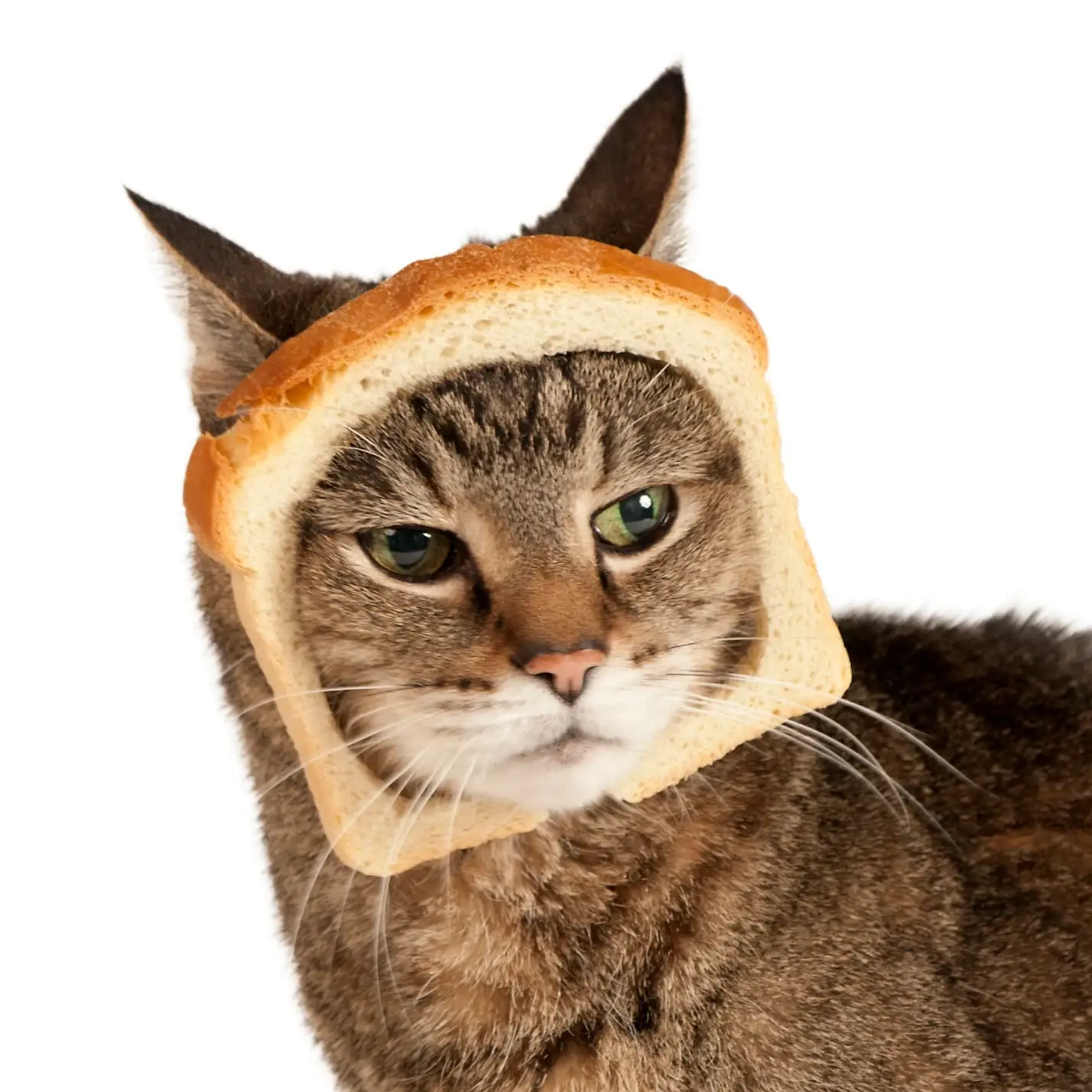
I run a mobile pet grooming service and partner with a few small veterinary clinics in my area, so I end up talking with cat owners about diet more often than people expect. One question that keeps popping up during home visits is whether cats can eat Hawaiian bread, usually after someone catches their cat sniffing a kitchen counter. I’ve seen this happen in homes where the bread is still warm, and the smell pulls the cat in fast. It looks harmless at first, but I always slow the conversation down before anyone lets the cat take a bite.
How Cats React to Sweet Bread
From what I’ve observed over the years, cats don’t actually crave sugary foods the way humans do, but they are curious eaters. Hawaiian bread is soft, slightly sweet, and buttery, which makes it appealing to cats for its texture rather than its taste. I’ve had a customer last spring whose indoor cat managed to grab a small chunk off the table and seemed more interested in the softness than anything else. The cat didn’t get sick from that single bite, but it definitely wasn’t something I recommended repeating.
During grooming sessions, I often explain to owners that cats process carbohydrates differently from how humans do. Hawaiian bread contains sugar and refined flour, which offer no real benefit to a cat’s diet. I once checked with a local vet while waiting on a vaccination appointment for my own foster cat, and they explained that even small amounts can sometimes upset sensitive stomachs. That advice stuck with me because I’ve seen mild digestive issues in cats after “just a little taste” incidents.
In one household I visited regularly, the owner liked to leave snacks on the counter, including Hawaiian rolls after dinner. Their cat learned quickly how to jump up and investigate anything left unattended. It took a couple of messy incidents before they realized that even harmless human foods can become habit-forming for pets. The bread’s sweetness didn’t harm the cat directly, but the behavior it encouraged became the real issue.
Ingredients That Matter More Than You Think
When discussing foods like Hawaiian bread with pet owners, I always break it down to ingredients rather than brand names. Most Hawaiian bread recipes include sugar, butter, eggs, and enriched flour, which are fine for humans in moderation but not ideal for cats. I usually remind people that cats are obligate carnivores, so their bodies are built for protein, not baked carbs. A small bite is unlikely to be dangerous, but it offers nothing beneficial either.
During a routine grooming stop at a suburban home, I remember noticing a small feeding station set up next to the kitchen for both the family dog and cat. The owner mentioned they sometimes shared bread crusts with both pets, thinking it was harmless. I suggested cutting back on that habit and replacing it with protein-based treats instead. There are plenty of pet-safe snack options that don’t upset digestion or encourage begging behavior at the table.
I’ve also seen cases where cats that regularly get human food start rejecting their regular meals. This isn’t unique to Hawaiian bread, but sweet or soft foods tend to reinforce picky eating faster. In one multi-pet household I worked with, the cat would ignore its food bowl until it was offered something from the human plate. Once they removed all table scraps, the cat returned to normal eating patterns within about a week.
There’s also the hidden issue of dairy in some recipes. While Hawaiian bread itself doesn’t always contain large amounts of dairy, butter, or milk-based ingredients, these ingredients can still be present. Many cats are lactose intolerant to some degree, even if they don’t show immediate symptoms. I’ve seen mild diarrhea or bloating appear after repeated exposure, which owners often don’t connect back to small treats like bread pieces.
What I Recommend Instead
When owners ask me what they should give their cats instead of human bread, I usually suggest sticking to simple protein-based treats. Cooked chicken, small fish flakes, or commercially prepared cat treats are far better choices for long-term health. I’ve worked with enough households to see a clear difference in coat condition and energy levels when diets stay consistent and species-appropriate.
In one case, a cat owner I met through a grooming route switched from giving table scraps to using measured treat portions during training and bonding time. The change didn’t happen overnight, but within a month, the cat stopped begging at the kitchen counter entirely. That small adjustment made feeding routines calmer and reduced the risk of accidental overeating. It also helped the owner better track what the cat was actually consuming each day.
If someone is unsure about introducing any new human food, I usually advise checking with a vet first, especially if the cat has a sensitive stomach or pre-existing conditions. I’ve had a few situations where owners thought a “tiny bite” wouldn’t matter, but their cat turned out to be more reactive than expected. It’s always easier to prevent a digestive upset than to deal with one after the fact.
One thing I remind people during grooming visits is that curiosity doesn’t equal compatibility when it comes to food. Cats often show interest in whatever their humans are eating, but that doesn’t mean their bodies are well-equipped to handle it. Hawaiian bread might seem harmless sitting on a plate, yet its ingredients still fall outside what a cat naturally needs.
I’ve learned to keep my advice simple: if it’s baked, sweet, or processed for humans, it probably doesn’t belong in a cat’s diet. Owners usually appreciate that straightforward approach once they see how quickly small habits can influence behavior. The goal isn’t to over-restrict, but to avoid unnecessary risks that don’t bring any real benefit to the pet.