
I run a small indoor plant shop and do in-home plant styling for pet owners, so I’ve had this conversation more times than I can count. People love the look of monstera, but they worry about what happens when their dog decides to chew on those big leaves. I’ve seen everything from mild irritation to full-on panic calls late in the evening.
The short answer is yes: Monstera is toxic to dogs, but the severity of the toxicity depends on the situation. Let me walk you through what I’ve learned from being in dozens of homes with both plants and curious pets.
What Makes Monstera a Problem for Dogs
Monstera plants contain insoluble calcium oxalate crystals, which are tiny, sharp compounds that irritate soft tissue. When a dog bites into a leaf, those crystals get released into the mouth and throat, causing immediate discomfort. I’ve had clients describe their dog pawing at its mouth within seconds. It is not subtle. The reaction can look dramatic even if it doesn’t turn into a severe case.
In most of the homes I visit, the issue starts with boredom or curiosity rather than hunger. A dog left alone for four or five hours will sometimes go after whatever is within reach, and monstera leaves are large and easy targets. One client last spring had a young Labrador who chewed through two leaves before anyone noticed. The dog ended up drooling heavily and refusing food for the rest of the day. It passed, but it was a stressful evening for them.
The level of toxicity isn’t the same as something like lilies for cats, which can be life-threatening quickly. Still, that doesn’t mean it’s harmless. The crystals can cause swelling in the mouth, and in rare cases, that swelling can affect breathing. I always tell people not to brush it off just because the plant is common in homes.
Symptoms I’ve Seen Firsthand
The symptoms show up fast. Most dogs react within minutes of chewing on the plant, and the signs are hard to miss if you know what to look for. I usually tell my clients to watch for changes in behavior above all else. Dogs don’t fake discomfort.
Here are the most common signs I’ve seen across about 30 different cases over the past few years:
Excessive drooling is usually the first clue. Pawing at the mouth comes next, followed by whining or restlessness. Some dogs will vomit, especially if they swallowed a piece of the leaf instead of just chewing it. A few refuse water for a short time because their mouth feels irritated. It’s uncomfortable, but often temporary.
If the symptoms look worse than mild irritation, I always recommend checking a trusted source like Pet Poison Helpline to understand whether you need immediate care. I’ve had clients call me in a panic, and having a clear next step makes a big difference. It is better to check once than to guess wrong. That kind of support calms people down.
One case stands out. A smaller terrier had more intense swelling than usual, and the owner noticed slight difficulty breathing. They took the dog to the vet right away, and the dog recovered within a day, but it could have gone differently if they had waited. That situation taught me to take every reaction seriously, even if most are mild.
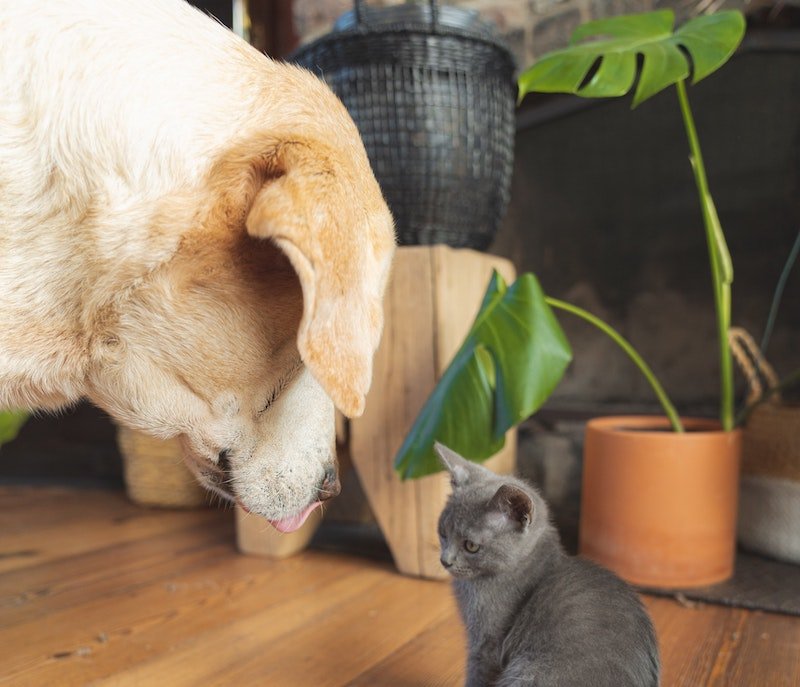
Why Dogs Keep Going Back to the Same Plant
This part surprises people. You would think one bad experience would stop a dog from chewing the plant again, but that isn’t always true. I’ve seen repeat incidents at the same home. Some dogs just don’t connect the discomfort with the plant itself.
Texture plays a role. Monstera leaves are thick but still easy to tear, and for some dogs, that feels satisfying. I’ve had a client describe the sound as what drew their dog in the first place. That tearing noise can trigger the same behavior again, especially in younger, more energetic dogs.
Placement is another issue. A plant sitting at nose level is hard to ignore, especially if it’s in a quiet corner where the dog spends time alone. In one apartment I worked on, the monstera was placed right beside the dog’s bed. That setup lasted about two days before the leaves were shredded. Moving the plant up by just a meter solved the problem.
Training helps, but it takes consistency. I’ve seen better results when owners pair training with simple changes, such as plant stands or hanging planters. It does not need to be complicated. Sometimes the easiest fix is the one that sticks.
Safer Alternatives I Recommend to Clients
I don’t tell people to give up on having plants. That rarely works, and most pet owners still want greenery in their space. Instead, I suggest swapping out high-risk plants for safer ones that still look good. Over the years, I’ve built a short list of items that work well in homes with dogs.
Spider plants are a favorite because they are non-toxic and easy to maintain. Areca palms also do well indoors and don’t pose the same risk. I’ve installed both in more than 20 homes, and they hold up well even with pets around. The visual effect is still there, just without the stress.
That said, no plant is completely risk-free. Even non-toxic plants can cause mild stomach upset if eaten in large amounts. I usually remind clients that prevention matters more than the plant choice itself. Keep things out of reach, and most problems disappear.
If someone really wants a monstera, I don’t always say no. I just help them place it in a way that keeps it out of the dog’s reach. High shelves, hanging pots, or rooms the dog doesn’t access are all workable solutions. It’s about balance, not restriction.
I still keep a monstera in my own workspace. It sits well above floor level. My dog has never touched it. That setup has worked for years, and it shows that you can have both plants and pets if you think it through.