
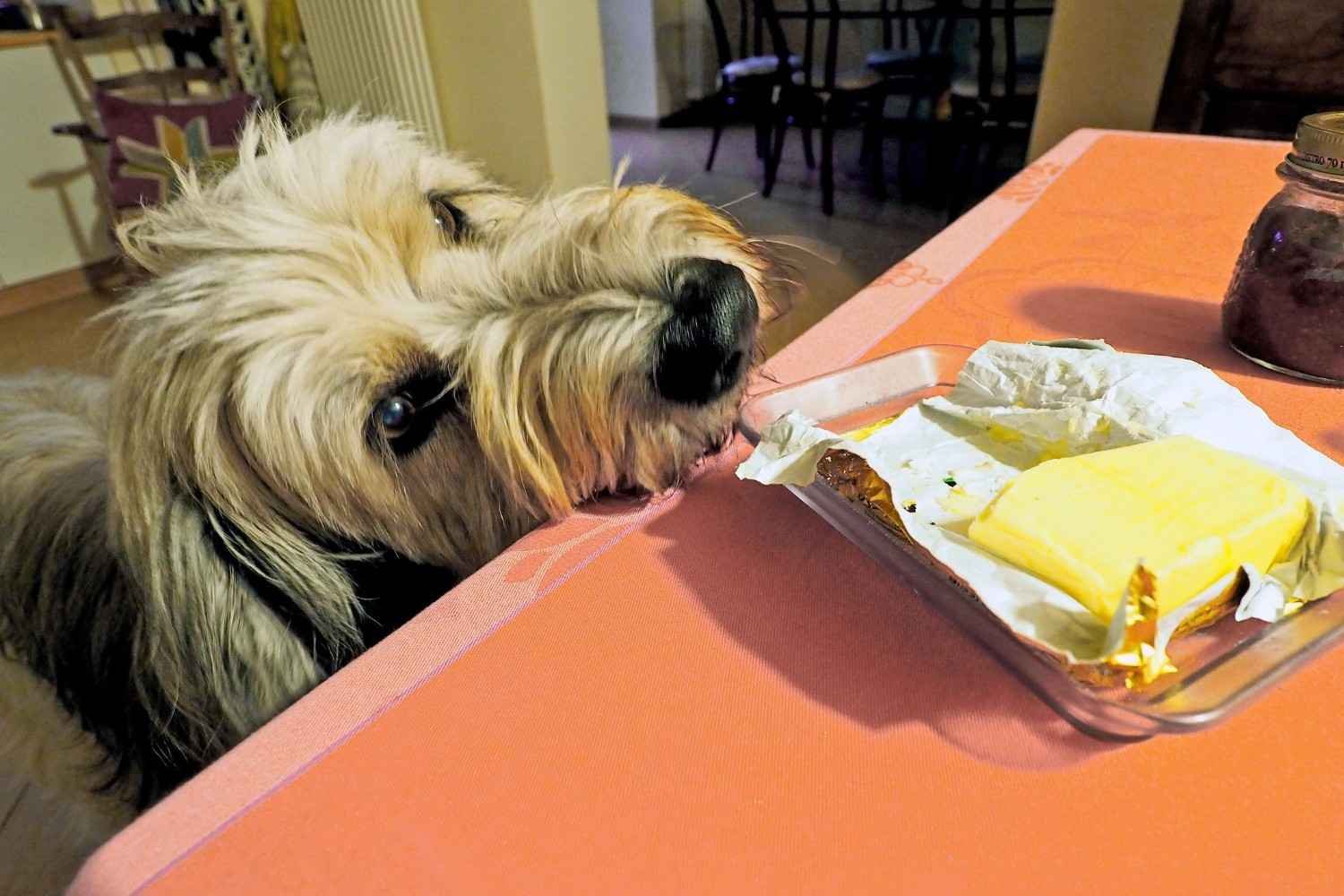
I work as a mobile dog groomer, and I often spend my days around pets that are treated like family members, sometimes a little too generously at the dinner table. The question of dogs eating butter comes up more often than people think, especially when owners are trying to share small bits of food. I have seen enough reactions in dogs after rich foods to take this topic seriously without overcomplicating it. Butter looks harmless on a spoon, but dogs do not process it the same way we do.
How butter affects a dog’s system
Butter is basically concentrated milk fat, and that alone tells me a lot from experience handling dogs with sensitive stomachs. A small lick might not cause any noticeable effect in some dogs, but I have also seen mild cases turn into upset stomachs within a few hours. Fat-heavy foods tend to sit poorly in a dog’s digestive system because their metabolism is not designed for it. I usually explain to owners that dogs are not built to handle rich dairy the way humans are.
Over the years, I have groomed dogs that arrived with oily coats and mild digestive discomfort after being fed table scraps, including buttered bread or food from leftover cooking pans. One Labrador I remember from a customer last spring had repeated episodes of loose stool after being given a small portion of buttered rice. It was not dramatic, but it was enough to disrupt the dog’s routine for a couple of days. Not safe.
Even a tablespoon of butter can add more fat than a small dog needs in an entire day, and that excess can trigger discomfort or worse in sensitive breeds. I have seen this more often in smaller dogs, where even tiny indulgences can elicit outsized reactions. Dogs that already struggle with pancreas sensitivity are at higher risk, though owners often only realize this after symptoms appear. The pattern is usually the same: treat first, regret later.
What I’ve seen in real grooming and vet collaborations
In my daily work, I often coordinate with local veterinarians when I notice recurring stomach issues tied to diet, and butter comes up more than people expect. I remember a case involving a small Pomeranian that had been sneaking bites of buttered toast from a breakfast table every morning. The vet I work alongside suggested cutting out all high-fat treats immediately and monitoring hydration closely for a week.
Around that time, I also came across a useful resource on whether dogs can eat butter, shared during a routine consultation, which helped reinforce how quickly dietary fats can affect smaller breeds when repeated, even in small amounts. It was a simple reminder that diet consistency matters more than owners realize.
From what I have observed across several thousand grooming appointments, the reaction to butter is not always immediate, which makes it harder for owners to connect the dots. Some dogs show signs within hours, while others only develop softer stools or mild discomfort the next day. I have seen about a dozen cases where owners did not initially believe food was the cause until we walked through everything the dog had eaten in the previous 24 hours. That delay often leads to repeated exposure without realizing the link.
There was also a middle-aged Beagle I worked with regularly who had chronic weight gain issues, and butter kept sneaking into the picture through different household habits. The owner would occasionally use it on vegetables or baking trays, not realizing how much residue the dog was still getting. Once we removed all remaining sources of fat, the dog’s energy levels improved within a couple of weeks. Small changes made a noticeable difference in daily behavior.
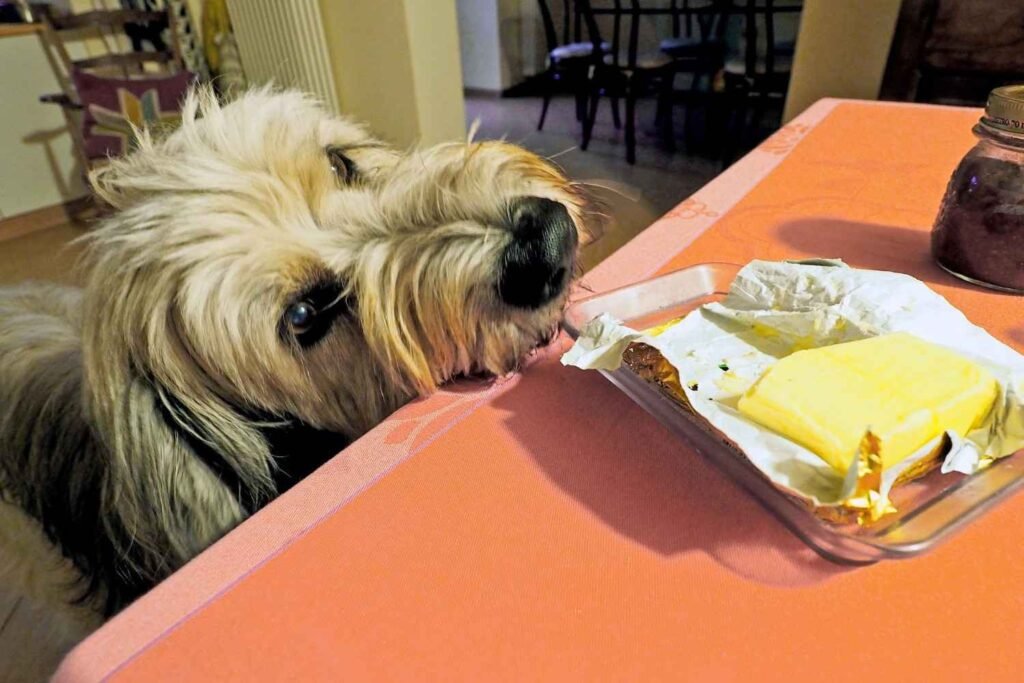
Better choices I recommend instead
When owners ask me what they can give instead of butter, I usually suggest sticking to simple, dog-safe treats that don’t overload on fat. Plain cooked chicken, small apple slices without seeds, or even certain commercial treats designed for sensitive stomachs tend to work better. I have learned that dogs do not need rich flavors to feel rewarded, even if humans assume they do. A consistent diet usually beats occasional indulgence in the long run.
One sentence I often repeat during grooming sessions is simple and direct. Keep fats low. Dogs adjust quickly when routines stay steady, and their digestion reflects that stability more than anything else. I have seen anxious dogs settle down just by removing random table scraps from their diet, even without major medical intervention. It is rarely about a single ingredient, but butter is a common trigger that sneaks in unnoticed.
Some owners still choose to give tiny tastes occasionally, and while I do not encourage it, I also explain what to watch for so they can react early if needed. Soft stool, reduced appetite, or unusual lethargy after eating are usually the first signals I tell people to take seriously. Over time, most of the dogs I work with improve simply because their owners become more aware of hidden fats in everyday food. Consistency makes the biggest difference.
In my routine work, I have learned that the safest approach is not about strict restriction but about awareness of what dogs actually process well. Butter does not belong in that category for most dogs, even if they enjoy the taste in the moment. I still see owners surprised when a small treat leads to a noticeable change in behavior or digestion, and that reaction never really gets old.