
I work as a mobile cat groomer and feeding consultant, mostly visiting homes across small towns where people often treat cats like family but are unsure about food choices. Over the years, I’ve stepped into more than a hundred kitchens and seen cats quietly begging for bites of whatever is being cooked.
This topic comes up almost every day because owners want to share meals with their cats but don’t want to make them sick. I’ve learned to separate what looks harmless from what actually sits well in a cat’s stomach.
What I see cats naturally reaching for at home
In many homes I visit, cats don’t go straight for fancy treats but instead sniff around simple foods left on counters or plates. I’ve seen them show interest in boiled chicken, plain rice, and even small bits of cooked egg more than anything heavily seasoned. One household last spring had a cat that consistently ignored packaged treats but would wait near the stove for plain chicken pieces to cool down. A small portion of 20 to 30 grams is usually enough for most adult cats when shared safely.
Some cats handle it well. Not all milk is safe. That surprises many owners I talk to during visits. I explain that while cats may show interest in dairy, many of them lack the enzyme needed to digest it properly, which can lead to stomach issues later in the day. I once had a case where a family kept offering milk daily, thinking it was harmless, until the cat started showing mild digestive upset after almost every feeding.
What stands out to me is how quickly cats learn routines around food. In homes where owners consistently offer small portions of plain cooked food, cats begin to ignore spicy or oily leftovers within just a week or two. I remember one apartment where the cat used to jump on the dining table, but stopped after the family switched to controlled feeding habits. That shift made a noticeable difference in the cat’s energy and coat condition over about 10 days.
Safe kitchen staples I often recommend
When people ask me what house food cats can actually eat, I usually start with simple proteins like boiled chicken, plain turkey, and small bits of cooked fish without seasoning. These foods are easy on the stomach and are widely accepted by most of the cats I have worked with. I also tell owners to avoid mixing spices or oil, as even a small amount can alter how a cat’s digestive system processes the food. In practice, I’ve seen cats do well on about 2 meals of plain protein per day when used as a supplement, not a full replacement diet.
Many owners also want guidance on structured feeding plans, especially as they transition from packaged food to home-prepared options. In such cases, I often refer them to a trusted resource that helps break down safe ingredients and portion control in a simple way. I usually explain this while standing in their kitchen, pointing out how even small changes in cooking style can affect a cat’s digestion over time. One client from a nearby village told me they reduced vomiting episodes by half within a month just by adjusting preparation methods.
Boiled vegetables in tiny amounts, like pumpkin or carrot, sometimes get added into meals for fiber support, although cats don’t rely on plant foods heavily. I’ve measured portions where even 5 grams of soft vegetable mash mixed into protein helped with mild constipation cases in older cats. This is not something I recommend as a main diet component, but it can support digestion when used carefully. The key is always moderation and observing how each individual cat reacts over several days.
Foods I avoid after seeing real reactions
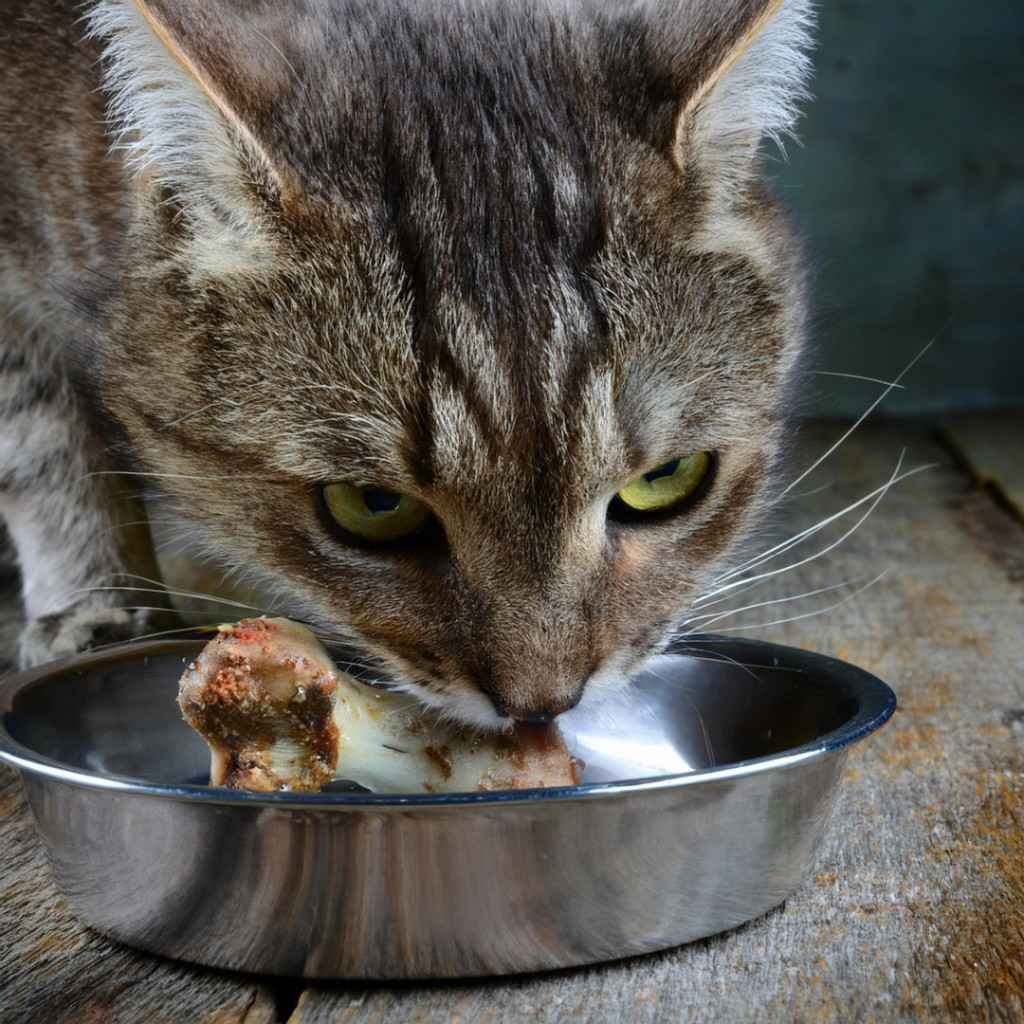
Over time, I’ve developed a mental list of foods I immediately warn owners against. Onion, garlic, spicy gravies, and fried leftovers are the most common issues I see in households where cats are fed from the same plate as humans. Even small amounts of these ingredients can cause lethargy or stomach upset in sensitive cats. I once visited a home where a cat had eaten leftover curry, and it took nearly 48 hours for its appetite to return to normal.
Chocolate and caffeine-containing foods are also strict no-go items in my experience. I’ve had at least 3 cases where cats accidentally consumed sweet baked goods left unattended on tables, and the recovery process required veterinary support. These ingredients affect cats differently than humans, and even a small bite can trigger serious discomfort. The risk is not worth testing, even in small controlled amounts.
Processed meats like sausages and packaged deli slices often look convenient to owners, but I’ve seen them cause dehydration and irregular stool patterns. These products usually contain preservatives and salt levels that are too high for feline systems. One household I worked with had switched to feeding small sausage pieces daily, and the cat’s coat became noticeably dull within a couple of weeks. After removing those foods, the coat condition improved gradually over about 2 weeks.
How I suggest portioning human food safely
In my daily work, portion control is the part most people overlook. Cats don’t need large servings of human food, even when it is safe. I usually suggest starting with a teaspoon-sized portion and observing behavior for at least 24 hours before offering more. This helps identify any sensitivity early without overwhelming the digestive system.
I’ve worked with about 40 households where gradual introduction made a big difference in reducing vomiting and picky eating behavior. One cat I remember from a rural visit would only eat freshly cooked food, rejecting anything cold or stored, so we adjusted the feeding schedule rather than changing the ingredients. Small behavioral adjustments like that often solve more problems than changing the entire diet at once.
Hydration also plays a quiet but important role in how cats process house food. When meals are slightly moist, cats tend to digest them more comfortably, especially in warmer months, when dehydration is more common. I’ve noticed that cats drink less water when their food is properly hydrated, which naturally balances their intake. This is especially useful in homes where owners forget to refresh water bowls regularly.
What I’ve learned from years inside real kitchens
After years of stepping into different homes, I’ve realized that feeding cats house food is less about strict rules and more about consistency and observation. Every cat reacts differently, even when given the same ingredient in similar amounts. I’ve seen siblings in the same home respond differently to identical meals, which always reminds me not to assume one approach fits all.
Simple foods, careful portions, and attention to behavior changes have proven more reliable than any complicated feeding method I’ve seen people try. Most issues I get called for could have been avoided with a slower introduction of human foods and a bit more patience. Cats communicate discomfort in subtle ways, and once you learn those signals, feeding becomes much easier to manage.
Over time, I’ve stopped thinking of house food as a shortcut and started seeing it as a controlled supplement when needed. That shift in mindset helps owners make calmer decisions instead of reacting to every meow at the kitchen counter. And in most homes I return to, that small change alone makes the biggest difference in the long run.