
I run a mobile dog grooming van that travels through small neighborhoods and farm edges, and I spend most of my days reading dogs more than people expect. One thing I see again and again is how quickly a nervous dog changes once a hand starts moving in slow, calm strokes over its head or shoulders.
Even dogs that arrive stiff and unsure often soften within minutes. It made me think deeply about why dogs seem to enjoy being petted so much, beyond just habit or training.
The comfort built into touch
Dogs respond to touch in ways closely tied to how they bond with humans. In my grooming van, I’ve watched dogs that were shaking in the first minute start leaning into my hand once they realize the touch is predictable and gentle. Their nervous system seems to shift from alert to relaxed, almost as if a switch were slowly being turned down. I’ve had dogs close their eyes halfway through a simple chest rub, even in a noisy parking area.
This response is not random. Physical contact triggers calming signals in many dogs, especially when it comes from someone they associate with safety. I’ve noticed that repetition matters more than intensity. A light, steady rhythm often works better than fast, uncertain movements. Dogs seem to trust what they can predict, and petting becomes a kind of shared rhythm between human and animal.
Some behaviorists argue that early-life experiences shape how strongly dogs enjoy touch, and I see that in the rescue dogs I work with. A few take longer to relax, while others melt into contact almost immediately. I’ve had several thousand-dollar grooming days when the most difficult dogs became the calmest after just a few minutes of patient handling. The contrast is always striking.
Hands, grooming, and trust in motion
Working out of a mobile setup changes how I think about petting. I’m not just grooming; I’m often teaching a dog that human hands are not a threat. On a slow afternoon last spring, I met a nervous shepherd mix in a driveway near a quiet lane, and I noticed how it kept watching my hands more than anything else. That attention told me everything about its state of mind.
In situations like that, I sometimes guide owners toward resources that help them better understand calm handling, and I’ve seen good results when they explore structured care options, such as dog grooming services that focus on gentle introduction techniques. In my experience, dogs that receive consistent, calm handling from both owners and professionals start to associate touch with stability rather than uncertainty. I’ve seen that change happen gradually over multiple visits. It rarely happens all at once.
There’s a pattern I’ve come to respect. Dogs don’t just enjoy being petted in isolation. They respond to the context surrounding the touch, including tone of voice, body posture, and even how fast a person moves. I’ve learned to slow my own movements more than I thought necessary, and it always pays off in how quickly a dog settles. Still, not every dog reacts the same way, and that variability keeps the work interesting.
What dogs are reading when we touch them
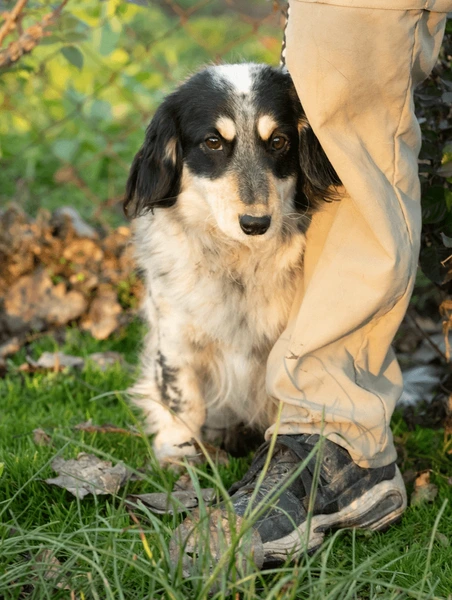
Dogs are constantly interpreting signals from humans, and petting is part of that language. In my van, I often watch a dog’s ears, tail, and breathing change before it even fully accepts touch. A loose jaw or soft blinking usually tells me I can continue. A stiff neck or frozen posture means I need to pause and reset my approach.
I’ve learned to respect small cues. One afternoon, a young lab kept shifting away every time I reached toward its head, but leaned in when I scratched under its chin instead. That small change told me more than any instruction manual could. Dogs are not rejecting affection in those moments; they are filtering how it is delivered.
Over time, I’ve come to see petting as a negotiation rather than a one-sided action. The dog is participating, even if silently. Some dogs actively guide your hand with their body, while others stay still and wait for the touch to end. Both responses are forms of communication. Neither is accidental.
Reading the difference between enjoyment and tolerance
Not every dog that allows petting actually enjoys it in the same way. I’ve worked with dogs that tolerate touch because they are trained to, not because they seek it. In those cases, the body language is flat, and the interaction ends quickly once the pressure stops. I always pay attention to how a dog behaves immediately after contact ends.
There are dogs that actively return for more, circling back or nudging a hand again. Those moments are easy to recognize. Others simply step away and shake off the interaction as if resetting themselves. I’ve learned not to confuse compliance with enjoyment, even though it can look similar at first glance.
Over the years, I’ve adjusted how I initiate contact. I let dogs come closer first, even if it takes extra time. That patience changes everything about the outcome. A dog that chooses the contact often stays relaxed longer and seeks it again later, which suggests the experience was positive.
Some days, I finish grooming sessions thinking less about technique and more about timing. Dogs don’t just like being petted because of the physical sensation alone. They like it because it often happens in moments where they feel understood, even briefly. That small overlap between touch and trust is where the real comfort sits.