
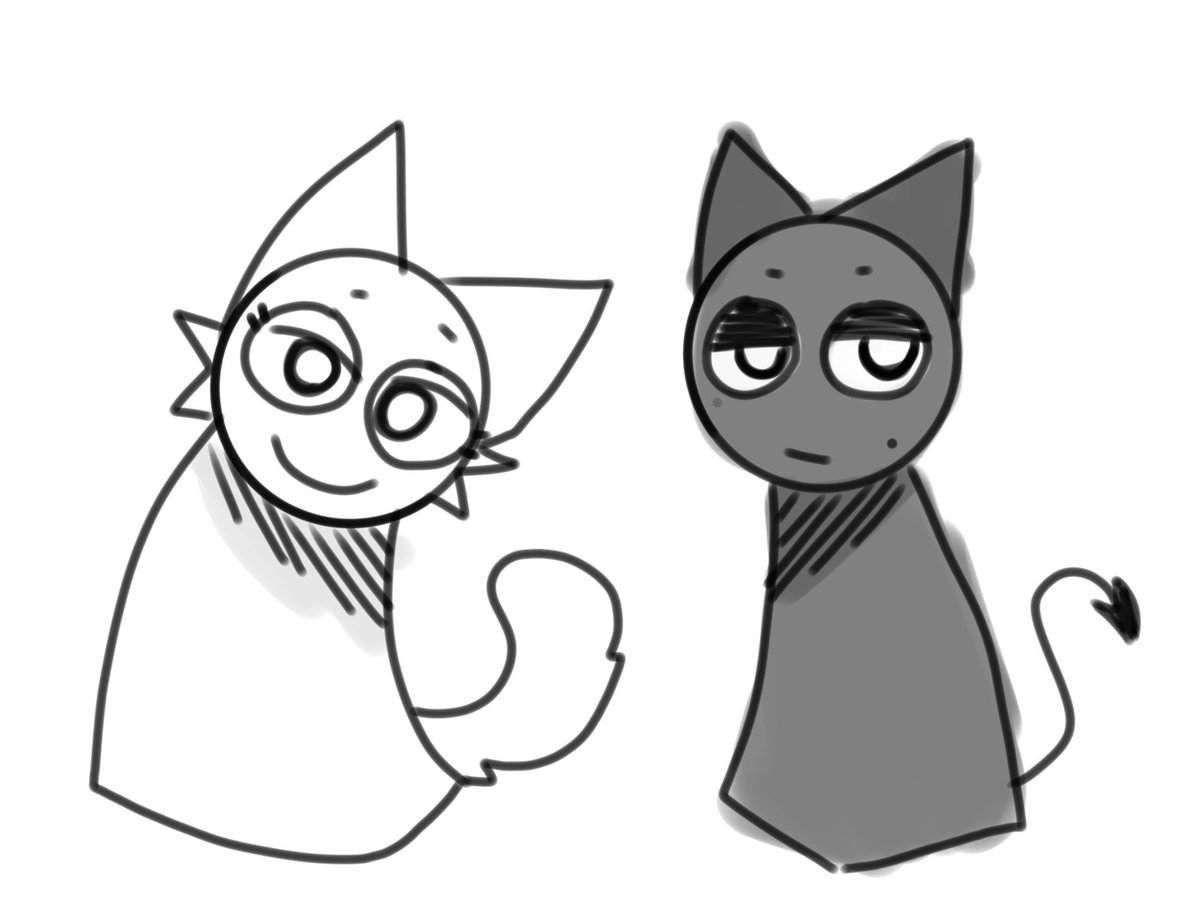
I work at a small urban animal rescue, where I handle intake records, foster coordination, and the occasional confusion caused by names that sound like something else. The question of whether Wenda is a cat has come up more than once in conversations with adopters and volunteers. In my experience, this kind of confusion usually grows from a mix of online posts, half-remembered stories, and misread listings. I’ve had similar mix-ups before with names that sounded feline but belonged to dogs or even birds.
Why do people ask if Wenda is a cat?
Most of the time, the question starts before anyone even sees the animal. I’ve noticed that people come across the name Wenda in adoption listings, short videos, or casual social posts and immediately assume it refers to a cat. In one case last winter, a visitor at our shelter asked about Wenda before checking the actual enclosure list, convinced it must be a tabby they had seen online.
The confusion often comes from how pet names are shared online without context. I’ve seen Wenda used in captions, stories, and even comment threads where no species is mentioned, leaving people to fill in the gaps. In busy adoption centers handling around 40 to 60 animals at a time, these misunderstandings are more common than most expect.
From what I’ve observed, the name itself sounds soft and feline to many people. That association alone is enough to trigger the assumption that Wenda is a cat, even when no such label has been officially attached.
How I verify animal identities in shelter records
In my day-to-day work, I don’t rely on assumptions when it comes to animal identification. Every incoming animal is logged with a species tag, intake history, and a short behavioral profile that helps us track them correctly. A simple naming confusion can create issues during adoption events, so we double-check records before any public listing goes live.
When volunteers ask me about unclear cases, I always pull up the internal registry and cross-reference intake notes. One helpful resource I often point newer staff toward is Wenda, a cat, which we use during training sessions to better understand how classification errors can happen in shelter systems. It has helped reduce mistakes during busy weekends when multiple animals are being processed at once. I’ve seen it clear up confusion in under ten minutes during onboarding.
In practice, I’ve found that misidentification rarely comes from the animals themselves but from how information is passed along. A rushed note or an incomplete form can easily turn a simple dog intake into a guessing game for the next person reading it. That is why I always stress accuracy over speed, even when the intake room is full and time is tight.
Common confusion between names and species
Names like Wenda tend to blur the line between imagination and reality for people who encounter them outside of direct interaction. I’ve seen similar confusion with names like Milo, Tilly, and even Shadow, where people assume a specific species before checking the details. In one adoption week, we had three animals with names that sounded like cat names, but only one was actually a cat.
This kind of misunderstanding usually spreads faster online than in real-life settings. When someone posts a picture or short clip without context, viewers fill in the blanks based on their own experience. I onI once reviewed a set of social comments in which over 200 people debated whether Wenda was a cat or a small dog, even though the original post never mentioned the species. In shelter environments, we try to reduce this confusion by pairing names with clear visual identifiers and brief descriptions. Even then, people sometimes skim too quickly and make their own assumptions. It’s a reminder that names carry meaning beyond their labels, especially when animals become part of online conversations.
What I actually tell adopters about Wenda
When someone asks me directly if Wenda is a cat, I don’t give a vague answer. I go straight to the intake sheet and confirm the species based on the recorded observation. That approach has saved me from giving incorrect information more times than I can count over the past few years working in rescue.
In a recent adoption day, a couple came in specifically asking about Wenda, expecting a calm lap cat based on what they had seen online. After reviewing the records and behavior notes, I explained the actual temperament and species details so they could make an informed decision. They appreciated the clarity, even though it wasn’t what they initially expected.
I’ve learned that people aren’t usually attached to being right about Wenda being a cat. They just want to understand what they’re dealing with before making a commitment. That small clarification often changes the entire direction of the conversation, especially when matching animals with the right homes.
At the end of the day, the question itself says more about how information travels than about the animal named Wenda. In my work, I’ve seen how quickly assumptions form and how easily they can be corrected with a bit of context and a careful review of the records. It’s a small reminder that names alone rarely tell the full story.