
I run a small cat boarding room behind my grooming shop, and one thing I notice constantly is how many cats barely touch their water bowls after a stressful move or routine change. Some cats drink fine for years, then suddenly act picky for no clear reason. I have spent a lot of time testing bowl shapes, water placement, food changes, and small habits that encourage hydration without forcing it. A dehydrated cat can go downhill faster than most owners expect, especially older cats with kidney or urinary issues.
Why Some Cats Ignore Their Water Bowl
Cats are strange about water. I have seen healthy cats refuse a perfectly clean bowl simply because it sat too close to their litter box or food dish. One older tabby that stayed with me last winter would only drink from a ceramic mug placed near a hallway window. The regular bowl stayed untouched for three days.
Many cats still carry instincts from their desert-dwelling ancestors, so they naturally rely more on moisture in their food than on standing water. Dry kibble changes that balance fast. A cat eating mostly dry food may need far more encouragement to stay hydrated than one eating canned meals twice a day. Some owners assume their cat is fine because the bowl level drops slightly, but much of that can be due to evaporation.
Water freshness matters more than people think. I refill the bowls in my boarding room at least twice daily because cats notice stale water quickly, especially during warmer months. Plastic bowls can also hold odors after repeated use, even if they look clean. A few cats react to that immediately.
Location changes behavior, too. Cats like quiet spaces where they feel safe enough to lower their guard. I once moved a nervous rescue cat’s bowl just six feet away from a noisy laundry machine, and his drinking improved within two days. Small adjustments count.
Simple Changes That Usually Work Fast
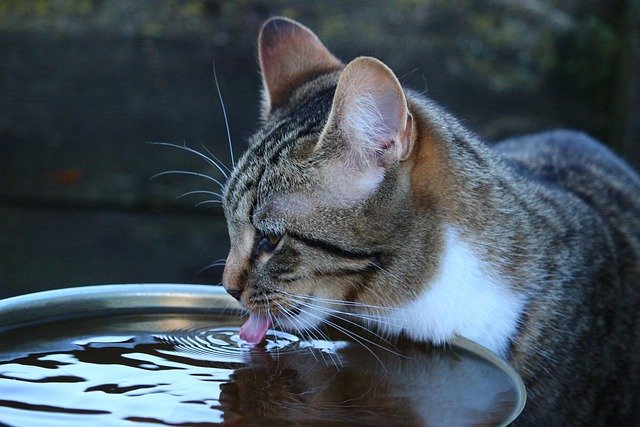
The quickest improvement I see comes from switching bowl types. Wide ceramic or stainless steel bowls tend to work better because they do not press against a cat’s whiskers. Some cats hate that sensation and avoid the bowl entirely. I keep several shallow bowls around my shop for that reason alone.
Running water attracts many cats because it feels fresher to them. A few boarding clients asked me where I bought the fountain I use near the cat suites, and I usually point them toward cat water fountains that are easy to clean and quiet enough for nervous pets. Loud motors can scare timid cats away. One cheap fountain I tried years ago lasted less than a month before several cats refused to go near it.
Food adjustments help more than gadgets in some homes. Mixing even two spoonfuls of warm water into canned food can increase total water intake without the cat noticing much difference. I do this often for senior cats boarding with me because travel stress often reduces their appetite and thirst at the same time. Warm food smells stronger, too.
Extra water stations matter. I tell clients to place at least three bowls in different areas if they have a medium-sized home. Cats wander, nap in random spots, and sometimes drink simply because water happens to be nearby. One family I worked with kept a bowl upstairs for the first time, and their cat started drinking there almost exclusively.
Signs I Watch for Before Dehydration Gets Serious
Some cats hide discomfort well. Others become clingy or unusually quiet. I pay attention to litter box habits first because smaller urine clumps often show up before obvious physical symptoms. A healthy drinking routine usually creates predictable litter box patterns within a few days.
Dry gums can be another clue. If a cat’s mouth feels tacky instead of slick and moist, I start watching more carefully. A dull coat sometimes appears, too, especially in long-haired cats that normally groom themselves often. One fluffy Persian I cared for stopped grooming around his shoulders after a few days of poor water intake.
There are a few warning signs that push me toward calling a veterinarian quickly:
Refusing food for more than a day, vomiting repeatedly, hiding constantly, or struggling to urinate are all situations I take seriously. Male cats, especially, can develop urinary blockages that become dangerous very fast. That is not something to monitor casually at home for several days.
Older cats deserve extra attention because kidney disease becomes common with age. I have boarded cats that seemed perfectly normal except for drinking twice as much water as usual. Owners sometimes miss that change because it happens gradually over months. Sudden changes in thirst deserve a conversation with a vet.
What I Avoid Doing With Picky Drinkers
I never force a cat toward a bowl or hold its face near water. That usually creates stress around drinking and makes the problem worse. Cats remember unpleasant experiences for a long time, especially stressful ones. Calm routines work better than pressure.
Milk is another mistake I still see people make. Most adult cats do not tolerate dairy well, and loose stool can create another hydration problem immediately afterward. Tuna water can help occasionally, but I use it sparingly because salty foods are not ideal for regular hydration support. Plain fresh water should stay the main option.
Dirty fountains become useless fast. I clean mine every few days because slimy buildup forms sooner than many owners realize. Filters help, but they do not replace actual washing. One boarding cat refused an otherwise clean fountain because a small piece of food floated near the edge.
I also avoid sudden diet changes unless there is a real medical reason. Cats can become stubborn about new textures overnight. Gradual changes usually keep hydration and appetite more stable, especially in multi-cat homes where feeding time already feels competitive.
The Small Habits That Made the Biggest Difference
The best hydration routines are usually boring. Fresh water every morning, quiet bowl locations, regular cleaning, and moisture-rich food solve the issue for many cats over time. Fancy products help some pets, but consistency matters more than novelty in my experience.
I keep one bowl near a sunny window in my own office because several cats naturally stop there during the day. Another stays near a bookshelf where the room stays cooler. Cats form strange preferences, and sometimes the trick is simply noticing patterns instead of trying to outsmart them.
A customer told me last spring that she spent months worrying because her cat barely drank in front of anyone. After setting up a camera overnight, she realized the cat quietly visited the fountain several times between midnight and sunrise. That happens more often than people think. Cats like privacy.
Hydration problems rarely improve with a single big change. Most of the time, I see success after several smaller adjustments stack together over a week or two. A cleaner bowl, wetter food, better placement, and less household stress can completely change a cat’s drinking habits without forcing anything at all.