
I run a small cat boarding space out of my home, and over the years, I have had dozens of cats come through with all kinds of quirks. Sneezing is one of those things I used to brush off, until one winter, a regular guest started sneezing every few minutes. That situation forced me to pay attention in a way I hadn’t before. Since then, I have gotten pretty good at spotting the difference between harmless sneezing and something that needs real attention.
When Sneezing Is Just Part of Being a Cat
I have seen plenty of cats sneeze a few times and go right back to chasing a toy or staring out the window. Dust is often the culprit, especially in homes where litter gets kicked around or carpets are not vacuumed often. Even a simple change like switching to a new litter brand can trigger a few sneezes in the first day or two. I once had a short-haired gray cat who sneezed every time he dug too aggressively in fresh litter, then stopped completely once things settled.
Sometimes it is seasonal. In early spring, I notice more cats sneezing lightly, especially those who spend time near open windows. Pollen drifts in, and while cats are less sensitive than humans in some ways, they still react. These cases usually do not come with watery eyes or a drop in energy. The cat eats fine, plays fine, and sleeps like nothing is wrong.
I usually tell owners to watch the frequency. Three sneezes in a day are nothing. Thirty is different.
Upper Respiratory Infections Show Up Fast
The first time I dealt with a real upper respiratory infection, it caught me off guard. A young tabby came in for a week-long stay, and within two days, she went from occasional sneezing to thick nasal discharge and watery eyes. She stopped finishing her meals, which is always a red flag in my experience. That kind of shift does not happen without a reason.
In cats, these infections spread quickly in shared environments, even when you are careful with cleaning and separation. Viruses like feline herpesvirus tend to linger, and stress can bring symptoms back even after a cat seems fine. I have seen cats who were perfectly healthy at home start sneezing within 48 hours of boarding simply because the environment changed. Stress matters more than most people realize.
If you are unsure whether it is serious, I sometimes suggest reading through resources like Why Is My Cat Sneezing a Lot? ” to get a clearer picture of symptoms before deciding your next step. Still, nothing replaces actually observing your cat up close. Their behavior tells you more than any checklist.
Watch the eyes and nose. Clear discharge is one thing. Thick, yellow, or green discharge usually indicates that an infection has taken hold. That is when I stop guessing and push for a vet visit.
Allergies and Irritants Are More Common Than People Think
Not every sneezing fit comes from illness. I have had cats react badly to cleaning sprays, scented candles, and even certain air fresheners. One client dropped off a long-haired cat that wouldn’t stop sneezing, and after some back-and-forth, we realized she had recently started using a heavily scented floor cleaner at home. Within two days of being in my scent-free space, my sneezing almost stopped completely.
Cats have sensitive airways. Strong smells can irritate them quickly, especially in smaller spaces where the scent lingers. I learned this the hard way after using a new disinfectant one summer that left a sharp smell in the room. Three cats started sneezing within hours. I switched back immediately.
Small changes help. Unscented litter, mild cleaning products, and good airflow can make a noticeable difference. It does not solve every case, but it removes one big variable.
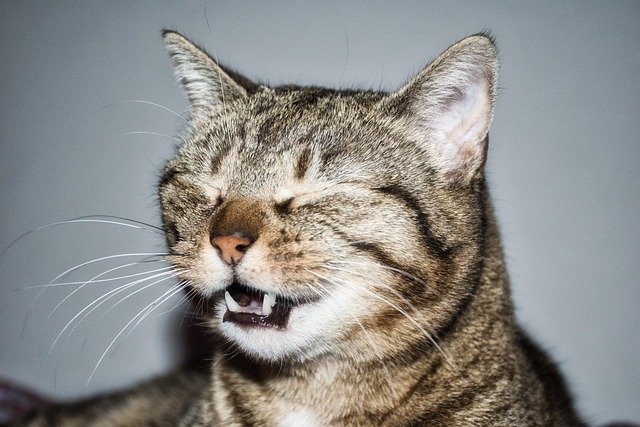
Dental Issues Can Cause Sneezing Too
This one surprised me when I first heard it from a vet I trust. A cat with a bad tooth, especially in the upper jaw, can start sneezing because the roots sit close to the sinus area. I saw it play out with an older cat who had persistent sneezing with no obvious signs of infection. No runny eyes. No fever. Just constant sneezing.
After a dental exam, they found an infected tooth that had been bothering him for a while. Once it was treated, the sneezing dropped off within a week. It was not instant, but the change was clear. That case stuck with me because it looked so similar to a mild respiratory issue at first.
If a cat is over seven or eight years old and sneezing keeps coming back, I always consider dental health as a possible factor. It is easy to overlook because the symptoms do not point directly to the mouth.
When I Decide It’s Time for the Vet
I do not rush every sneezing cat to the vet, but I do have a mental checklist that has saved me from making bad calls. If sneezing lasts more than three days and gets worse instead of better, I take it seriously. Loss of appetite is another big one. A cat skipping meals is rarely casual behavior.
Here are the signs that push me to act quickly:
Frequent sneezing paired with thick discharge, visible lethargy, reduced eating, or any breathing difficulty. One or two of these together is enough for me to stop waiting.
I remember a case last fall in which a cat started with mild sneezing and, within 4 days, was barely eating and hiding under blankets. The owner had assumed it would pass. It did not. After treatment, the cat recovered, but the delay made things harder than they needed to be.
Cats hide discomfort well. Too well.
I have learned not to overreact, but I no longer ignore patterns. Sneezing is often harmless, but sometimes it is the first sign of something that won’t resolve on its own. Paying attention early makes all the difference, especially when you live with these animals day in and day out as I do.