
As a licensed veterinarian practicing in Texas, I’ve encountered many cat owners who are surprised—or sometimes concerned—when their feline companions snore. Cats, like humans, can occasionally make noise while sleeping, but not all snoring is harmless. Over the years, I’ve developed a sense of what’s typical versus what warrants a closer look.
I remember a customer last spring who brought in her six-year-old Maine Coon, Max. She was worried because Max had started producing a loud, almost wheezing sound during his naps.
After a hands-on exam, it turned out Max was simply a deep sleeper with a slightly flattened nasal structure, common in larger cats. His snoring was harmless, caused mostly by relaxed throat muscles and the shape of his nasal passages. This is an example of how, in many cases, snoring is simply a quirk rather than a health concern.
Why Some Cats Snore
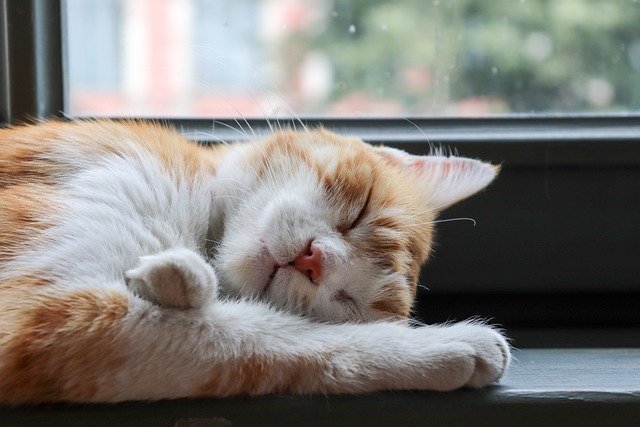
In my experience, cats snore for a few primary reasons. One of the most common is their sleeping position. Cats that sleep with their heads tucked or in contorted positions can partially obstruct their airways, producing that familiar snore. Obesity is another factor. I’ve seen overweight cats, such as a plump Persian named Bella, last summer, develop consistent snoring simply because excess weight can press on the throat and make breathing noisier during sleep.
Breed also plays a role. Flat-faced breeds like Persians and Himalayans are more prone to snoring due to their shortened nasal passages. I once treated a Himalayan kitten whose snoring began at a very young age; the owner was understandably concerned until we confirmed it was anatomical rather than medical.
When Snoring May Signal a Problem
While occasional snoring is often harmless, persistent or unusually loud snoring can indicate underlying issues. In my practice, I’ve seen cats with respiratory infections, nasal polyps, or even mild asthma that presented initially with noisy breathing during sleep. One case involved a domestic shorthair who had recently started snoring more frequently. A closer examination revealed early-stage chronic rhinitis, which, once treated, significantly reduced snoring.
Other signs to watch for include coughing, sneezing, labored breathing, or lethargy. If snoring is accompanied by these symptoms, I always recommend a full veterinary evaluation. Early intervention can prevent minor issues from escalating into more serious respiratory problems.
Tips for Owners
I often advise owners to observe their cat’s sleeping patterns. Take note of:
- Frequency and loudness of snoring
- Any changes over time
- Associated symptoms such as nasal discharge or difficulty breathing
In some cases, minor adjustments can help. Encouraging a healthy weight through portion-controlled feeding and providing comfortable sleeping spots that allow the neck to stay extended can reduce snoring in many cats.
It’s also worth noting that some cats simply have quirky airway anatomy. For these cats, snoring may persist without health consequences. I had a retired show cat, a Persian named Louis, whose snoring became a normal part of his routine. His owner was reassured once we confirmed he was otherwise healthy and happy.
My Professional Perspective
Snoring in cats is often a normal variation of sleeping behavior, especially in older, overweight, or flat-faced breeds. However, as a veterinarian, I’ve learned that careful observation is key. Occasional snoring in a healthy cat is generally harmless, but new, persistent, or loud snoring warrants a closer look to rule out respiratory or nasal issues.
From my experience, the majority of cat snoring cases I’ve seen are benign, yet they offer a good opportunity for owners to focus on overall health. Watching how your cat sleeps, noticing any changes, and seeking professional guidance when needed ensures that your feline companion stays comfortable and healthy—even if they sometimes sound like a tiny freight train in their sleep.