
I work as a veterinary technician at a small cat-focused clinic, where I also assist with home-visit cases through a mobile outreach program. Over the years, I have seen plenty of household plants become part of everyday feline curiosity, and basil is one of the most common herbs people keep on kitchen windowsills.
The question I hear often is whether a basil plant is safe for cats or should be kept out of reach. My experience with plant exposure cases has given me a practical view rather than a purely textbook answer.
My experience with cats and basil plants
In my daily work, I have handled more than a few dozen cases where cats chewed on kitchen herbs, and basil shows up more often than people expect. Most owners assume anything green is risky, but basil usually falls into the mild curiosity category rather than the serious toxicity category. I still remember a customer last spring who brought in a young tabby after noticing it chewing basil leaves from a countertop pot. The cat was acting normal, just slightly drooly, and mostly annoyed at being interrupted.
From what I have seen in clinical settings, basil (Ocimum basilicum) is generally considered non-toxic to cats. That does not mean unlimited access is a good idea, but it does shift how I respond when someone calls worried after a nibble. The bigger issue I notice is not the plant itself but how much the cat eats and whether pesticides or oils were used on it. I always tell people that context matters more than panic.
Some cats treat basil like a toy, batting at leaves before taking small bites. Others ignore it completely unless it is freshly watered and smells stronger than usual. I have seen both indoor-only cats and outdoor explorers show interest in it, which tells me it is more about scent and texture than hunger. Safe does not always mean desirable.
What I tell cat owners about basil exposure
When owners ask me directly, I explain that basil is not listed among the toxic plants for cats in major veterinary references, but that ingestion can still cause mild stomach upset in sensitive animals. I often suggest treating it like any other edible herb in the house, meaning it should be kept in a spot where the cat cannot repeatedly graze on it. A local veterinary clinic resource, basil plant safe for cats, is something I often refer people to when they want a simple plant safety list without overthinking it. That usually helps them compare basil with clearly dangerous plants like lilies.
In practice, I have noticed that the real concern comes from repeated chewing rather than a single bite. A cat that nibbles basil once and walks away is rarely in trouble, but a cat that keeps returning to the pot can develop soft stool or mild vomiting. I had a case where a household kept three basil pots near their dining table, and their cat slowly turned it into a daily habit. After moving the plants higher, the issue was resolved within a week without any medication.
I also remind owners that how the plant is treated matters as much as the plant itself. If basil has been sprayed with chemicals or grown with unknown fertilizers, the risk changes even if the plant is naturally safe. That is something many people overlook because they assume all herbs are automatically pet-friendly. The environment around the plant is part of the equation.
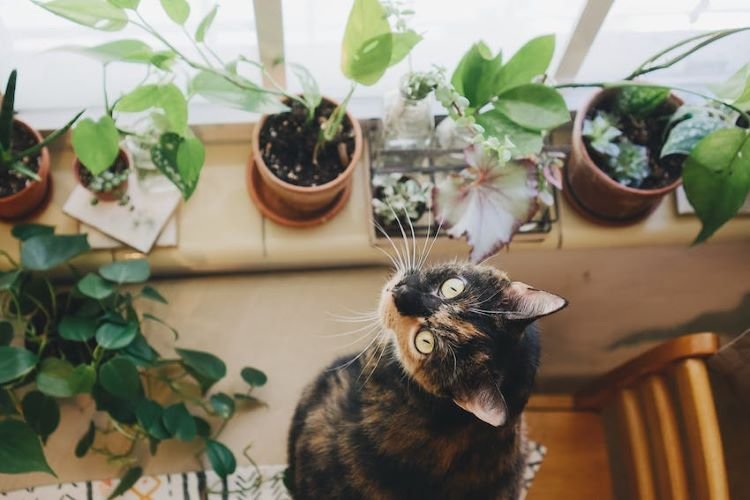
Signs I watch for when cats eat houseplants
Most basil-related incidents I see are mild, but I still monitor certain signs closely during consultations. Drooling, slight vomiting, or a temporary drop in appetite are the most common reactions I encounter. In rare cases, a sensitive cat may show more pronounced gastrointestinal discomfort, especially if it has eaten a larger amount of leaves. I always tell owners to observe behavior for at least twenty-four hours after any plant ingestion.
There was a young kitten I saw during a mobile visit who had been chewing multiple houseplants, not just basil. The owner was concerned because the kitten seemed less playful and had been hiding under furniture for a few hours. After a careful check, it turned out to be mild stomach irritation that resolved without treatment once the plants were moved out of reach. Cases like that remind me how curiosity often looks worse than it actually is.
One thing I consistently point out is that essential oils and concentrated plant extracts are entirely different. Basil leaves in their natural form are one thing, but oils can be far more irritating to a cat’s system. I have seen cats react poorly to diffused oils, even when the plant itself caused no issues. The difference between natural leaf chewing and concentrated exposure is significant.
Keeping basil and cats in the same home
In homes where people love both herbs and pets, I usually suggest simple placement changes rather than removal. Hanging planters or high shelves tend to solve most problems without affecting either side. I have seen kitchen setups where basil grows freely near a sunny window, while cats completely ignore it simply because they cannot reach it easily. Small adjustments often prevent unnecessary stress for both the owner and the animal.
Some cat owners assume they need to eliminate all greenery once a pet starts showing interest, but that has not been my experience. Cats are naturally curious, and part of my job is helping people manage that curiosity rather than fight it. I worked with a household that kept a mini herb garden indoors, and after a few layout changes, the cat lost interest entirely. No drama, just a simple rearrangement.
There is also a behavioral angle I pay attention to. A cat that repeatedly chews plants might be bored, under-stimulated, or simply exploring textures. In those situations, I sometimes suggest adding safe chew alternatives, such as cat grass. Basil becomes less of a target when other acceptable options are available nearby. Small environmental shifts often make the biggest difference.
After years of seeing these cases, my perspective stays fairly steady. Basil is not a plant that causes panic in my clinic notes, but it is still something to manage thoughtfully in a home with cats. The goal is not to create a sterile environment, but to reduce repeated exposure while keeping everyday life comfortable for both the pet and the owner.