
I work as a mobile veterinary technician, spending most of my days moving between home visits, rescue shelters, and small clinics in semi-rural communities. One question I hear more often than people expect is whether cats can get head lice the same way humans do. I usually get this question after a family notices itching or sees small insects in a cat’s fur and starts worrying about human lice spreading through the house. Over the years, I’ve handled hundreds of similar cases, and the confusion is very consistent across households.
What I notice in everyday cat checkups
Most of the time, when someone calls me about suspected head lice in a cat, I already suspect something else before I even arrive. Cats do not typically host human head lice because those lice are highly species-specific and prefer human scalps. In practice, I see fleas or feline-specific lice far more often, and the symptoms get mistaken because itching looks similar from a distance. It is rarely true.
During a visit last spring, I examined a short-haired cat that a family insisted had picked up lice from a child at school. The cat was scratching behind the ears and had some rough patches of fur, which made the concern feel reasonable to them. After a closer look under a portable magnifier, I found flea dirt instead of lice, which is a very common mix-up in field conditions. The misunderstanding usually comes from how small parasites look when you are not trained to spot the differences.
How do I explain the risks of lice and where owners get help?
When I talk with owners, I always clarify that cats and humans have different parasite ecosystems, which means human head lice rarely transfer to animals in real-world conditions. I often recommend checking reliable veterinary references for reassurance, especially when anxiety spreads quickly in a household with children and pets. One resource I sometimes point people toward is ASPCA pet health resources, since it helps them understand common parasites without guessing based on internet photos alone. That usually calms the situation enough to move forward with a proper exam instead of panic treatments.
In one rescue shelter case I handled, volunteers were convinced that a group of kittens had a lice outbreak after noticing constant scratching and visible debris in their fur. I carefully examined each kitten and explained that shelter environments often create conditions where fleas multiply rapidly, especially when bedding is shared, and cleaning cycles are delayed. The staff had already begun isolating animals unnecessarily, adding stress to the kittens without addressing the underlying issue. Once we confirmed fleas, the treatment plan became straightforward and much less confusing for everyone involved.
There is also a common misunderstanding that any tiny moving insect in fur must be lice, but in reality, the body shape and movement patterns differ in ways that are noticeable under closer inspection. I often remind owners that lice in cats, when present, tend to move slowly and stay close to the skin, while fleas jump and scatter quickly when disturbed. These differences matter because treatment choices depend entirely on the correct identification, and using the wrong product can delay recovery or irritate the skin further. A calm, careful check with proper tools usually clears up the confusion within minutes.
What I compare when symptoms look similar
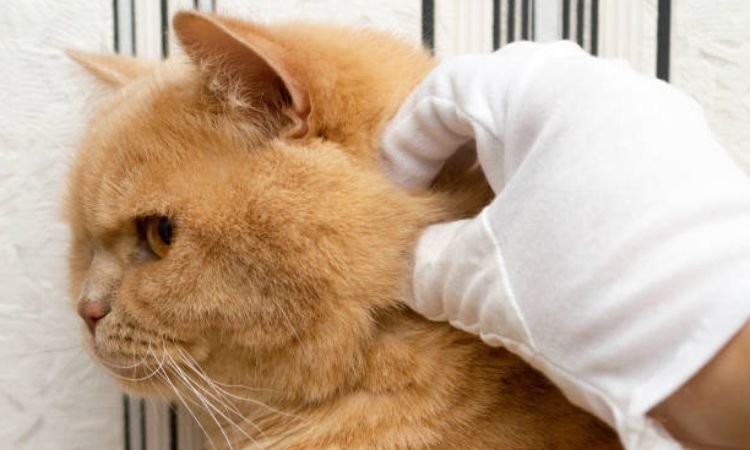
In the field, I rely heavily on visual comparison because symptoms overlap so much between fleas, lice, allergies, and even mild skin infections. A cat that scratches constantly may be reacting to dry skin, stress, or external parasites, and I have seen cases where all three factors occur simultaneously. This is why I never rely on a single sign, such as itching, to reach a conclusion. Careful observation always wins over assumptions.
Feline lice, when they do appear, are usually associated with poor grooming conditions or long-term neglect, and they tend to cluster in specific areas like the neck or base of the tail. Fleas, on the other hand, are more widespread and tend to leave dark specks that turn reddish when placed on a damp tissue. Allergic reactions can look even more dramatic than either parasite issue, with redness and hair thinning appearing even without visible insects. Over time, I learned to slow down and consider each possibility before rushing to conclusions based on appearance alone.
How I manage treatment and prevent repeat confusion
When I confirm a parasite issue, I usually start with a treatment plan tailored to the actual cause rather than what the owner initially suspected. Flea treatments are far more common in my experience, and they often require treating both the cat and its environment, including bedding, carpets, and shared resting areas. If lice are confirmed (which is less common), I use targeted, veterinary-approved solutions and advise careful follow-up checks over the next couple of weeks. The goal is always to break the cycle rather than just temporarily reduce symptoms.
Prevention plays a bigger role than most people expect, especially in homes with multiple pets or frequent outdoor exposure. I often tell owners that consistent grooming sessions help them notice changes early, long before scratching becomes severe or visible skin damage appears. In one household I visited several times over a few months, the difference between recurring issues and stable skin health came down to a simple weekly brushing routine and better bedding hygiene. Small habits like that reduce the chances of misdiagnosis and help owners spot real problems sooner.
Over the years, I have noticed that the fear of “human lice in cats” tends to fade once people see how specific these parasites really are. Most situations resolve quickly once the correct cause is identified, and the treatment path becomes much clearer thereafter. I still take every concern seriously because symptoms can look alarming at first glance, especially in long-haired cats, where visibility is limited. What matters most is careful checking before reacting, because assumptions usually create more stress than the actual condition itself.