
I work as a mobile pet groomer and cat care technician, often collaborating with small veterinary clinics across Faisalabad. Over the years, I have seen many cat owners panic after hearing the word gingivitis, especially when they have more than one cat at home.
The most common question I hear during routine grooming visits is whether this gum disease can spread from one cat to another. My experience around cats with dental issues has given me a clear view of what actually happens in real homes.
What gingivitis really means in cats
When I first started handling cats professionally, I assumed gingivitis behaved like a simple infection that could easily jump from one animal to another. Over time, after observing dozens of multi-cat households, I learned that gingivitis itself is not directly contagious, as people often think. It is mainly inflammation of the gums triggered by bacteria already present in a cat’s mouth. Poor oral hygiene, diet, and immune response play a much bigger role than exposure alone.
That said, bacteria do contribute to the condition, and cats living closely together often share saliva through grooming and eating behaviors. I have seen households with four cats in which two develop severe gum inflammation, while the others remain mostly unaffected. This inconsistency suggests that the disease is not simply passed along like a cold. Instead, it develops based on each cat’s own oral health and resistance.
One sentence I often repeat to worried owners is simple. Gingivitis is not directly contagious. Still, shared environments can influence risk factors. A cat with weak gums or heavy tartar buildup will react more strongly to bacterial growth than a healthy adult cat with regular dental care.
How oral bacteria move between cats
In multi-cat homes, I have seen plenty of behaviors that lead owners to assume transmission is occurring. Cats groom each other constantly, sometimes sharing food bowls and even chewing on the same toys. During one grooming visit last spring, I worked with a household of three cats where the owner noticed redness in only one cat’s gums despite identical living conditions.
The vet clinic I often visit for referrals helped confirm what I was already seeing in practice. They explained that while bacteria can move between cats, gingivitis only develops when the conditions inside the mouth allow it to progress. During a routine check, I once stood in a clinic waiting room when a technician mentioned that two cats can carry similar bacteria but show completely different symptoms depending on their immunity and dental hygiene.
For owners looking for consistent dental guidance and routine checks, I usually suggest connecting with a trusted local veterinary clinic that offers dental cleaning and oral screenings for cats. I have seen situations where early professional cleaning prevented mild gum redness from progressing to painful inflammation. Regular monitoring makes a noticeable difference over time.
One thing I always remind clients is this. Transmission risk is indirect, not direct. It depends more on the environment than on contact alone. That distinction changes how people manage multi-cat households.
Signs I look for during grooming visits
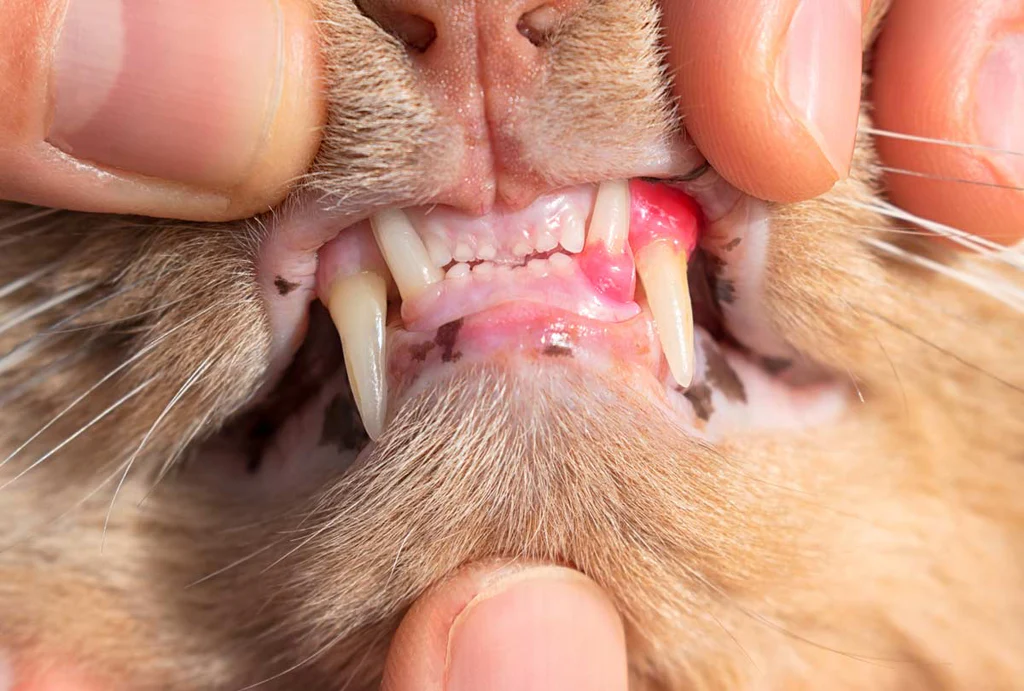
When I handle cats during grooming sessions, I pay close attention to their mouth even if the service is focused on fur or nail care. Red gums, bad breath, and reluctance to chew are early signs that something is developing beneath the surface. I have learned to spot subtle changes that owners sometimes miss for months. Sometimes a cat shows no visible discomfort but reacts when its face is touched.hed. I remember one calm tabby that tolerated brushing but pulled away when I gently checked near the jawline. The owner had not noticed anything unusual, yet the vet later confirmed early-stage gingivitis. These cases are more common than people expect.
It is not always easy for owners to detect problems early. Cats hide discomfort well, and oral issues develop gradually. A simple check during grooming or a quick vet visit every few months can reveal problems before they become severe. I have seen cats go from mild gum irritation to significant dental pain within a single season.
Healthy routines matter more than fear of infection. Good brushing habits, dental treats, and occasional professional cleaning reduce the bacterial load in the mouth. In my experience, cats that receive consistent care rarely progress beyond early gum inflammation, even in busy multi-pet homes.
What I see most in real homes
Working in different households has shown me that gingivitis is more about consistency than exposure. In homes where owners actively clean teeth or provide dental care diets, I rarely see advanced cases. In contrast, neglect leads to faster progression, especially in older cats. Age plays a quiet but important role in gum health.
One customer I worked with had two senior cats living together for nearly eight years. Only one developed severe gingivitis despite identical living conditions. That experience alone made the owner realize that the condition depends more on individual health factors than on shared environment. It changed how they approached care for both cats.
I have also noticed that stress can worsen oral issues. Cats that move homes, experience changes in routine, or live in crowded conditions tend to show faster gum irritation. Stress affects immune response, which in turn affects how the mouth handles bacteria. It is a chain reaction that owners often overlook.
Even though gingivitis is not strictly contagious, I still advise monitoring all cats in a household if one is diagnosed with gingivitis. Not because they will automatically catch it, but because similar risk factors may already exist in the environment. Early attention prevents a lot of discomfort later.
After years of working around cats with varying dental conditions, I have learned that the real focus should be on prevention and routine care rather than worrying about direct transmission. Most cases improve significantly when owners stay consistent with basic oral hygiene and regular checkups.