
I have been taking care of stray and outdoor cats in my neighborhood in Faisalabad for several years, especially during the colder months when temperatures drop at night, and animals struggle to find safe places. Most of what I know comes from trial and error: building small shelters in alleyways, on rooftops, and in quiet corners where cats already feel safe.
Over time, I have learned that a warm shelter is not about expensive materials, but about smart layering and protecting them from wind, moisture, and cold ground.
Understanding what outdoor cats actually need
When I first started helping outdoor cats, I assumed any box or wooden crate would be enough. That assumption changed after a winter in which a few shelters I made collapsed after rain, leaving the cats avoiding them completely. Cats are selective about safety, and once a shelter feels damp or unstable, they rarely return. I now focus on three things: insulation, dryness, and a small, enclosed space that effectively holds body heat.
Most people overestimate size and underestimate warmth. A shelter that fits one or two cats tightly is actually better than a large space because body heat stays trapped inside. I usually test this by sitting my hand inside the shelter for a minute; if it feels even slightly insulated from outside air, I know it is working. Cold nights matter.
In some cases, I also observe how cats behave before building anything. If they are already gathering near a certain wall or under parked vehicles, I try to build close to that pattern instead of forcing a new location. Cats trust familiarity more than comfort upgrades, and that lesson saved me from many failed setups in early attempts.
Choosing materials and building a simple insulated shelter
Most of my shelters start with basic plastic storage boxes or thick cardboard, depending on what I can find locally without spending much. In a few cases, I have reused packaging crates from shops and reinforced them with tape and layered cloth inside. I once built a small cluster of shelters behind a shop near my home, using discarded foam sheets from renovation work.
The shop owner even pointed me toward a how-to for making a warm shelter for outdoor cats, which he said other caretakers used to source low-cost materials, helping me understand which durable options people usually prefer. That experience taught me that resourcefulness matters more than buying perfect equipment.
Inside the shelter, I always avoid loose cotton or anything that retains moisture. Instead, I prefer old fleece blankets or folded jute sacks because they dry faster and still hold warmth. One winter, I noticed a group of three cats repeatedly choosing a shelter lined with layered jute over a softer cotton-filled one, even though both were placed side by side. That observation completely changed how I design interiors.
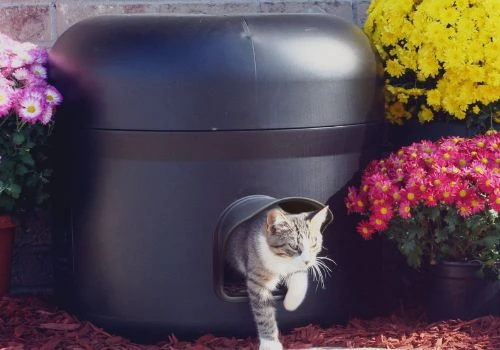
Ventilation is another detail people miss. A small air gap near the top prevents condensation from forming inside, which is a common problem on humid nights. I keep it simple: one small entrance, slightly elevated floor, and insulated walls. Nothing complicated. Build slowly. Test often.
Placement, weather protection, and real-world adjustments
Where you place the shelter is as important as how you build it. I usually avoid open rooftops unless there is a wind barrier, because strong gusts can make even a well-built shelter uncomfortable for cats. Instead, I look for corners near walls, under staircases, or behind unused storage areas where rain cannot directly enter. Stability matters more than aesthetics.
Rain protection is something I learned after losing two shelters in a single storm. Since then, I have always added a slight roof tilt using plastic sheets or angled cardboard so water runs off instead of pooling. During heavy rain seasons, I also raise the shelter a few inches using bricks or wooden blocks to prevent ground moisture from seeping inside. That small adjustment made a noticeable difference in how long shelters stayed usable.
Wind direction is another factor that people often ignore. If the entrance faces strong winter winds, cats will avoid it even if everything else is perfect. I usually observe wind flow for a day before placing anything permanent. Small changes, such as rotating the entrance by a few degrees, can significantly improve shelter use.
Maintaining shelters and supporting the cats long-term
Once a shelter is in place, maintenance becomes the real responsibility. I check mine every few days, especially after rain or dust storms, because conditions can change quickly. Cleaning is simple but necessary; removing damp bedding prevents odor and keeps insects away. I replace liners every two to three weeks, depending on weather conditions.
Food and water placement also affects shelter success. I never place food inside the shelter itself because it attracts pests and discourages long-term use. Instead, I keep feeding spots nearby but slightly separated so the cats have a clear distinction between resting and eating areas. Over time, they adapt to this pattern without stress.
- Check insulation after rain.
- Replace wet bedding quickly.
- Keep the entrance clear of debris.
- Monitor for insect activity.
I have noticed that consistent care builds trust. Cats begin returning to the same shelters regularly when they feel the space is stable and predictable. One winter, a small group of cats I had been feeding for months started bringing new kittens into the same shelter, which showed me how quickly they accept safe environments once they are confident in them.
Building warm shelters for outdoor cats is not a one-time task. It evolves with the weather, available materials, and the behavior of the animals themselves. I still adjust my designs every season based on what I observe in real conditions rather than sticking to a fixed plan. That flexibility has made the biggest difference in keeping them safe through colder nights.