
I run a small mobile dog grooming setup outside Dallas, and one thing I deal with almost every week is collars that simply do not fit right. Some are so loose that they slide over the dog’s ears during a walk. Others leave flattened fur and red marks around the neck after just twenty minutes. After handling hundreds of dogs ranging from tiny senior Chihuahuas to large young Mastiffs, I have learned that properly measuring a dog’s collar size saves a lot of frustration for both the owner and the dog.
Why I Never Trust Breed Charts Alone
People love quick sizing charts because they seem easy to use. A Labrador gets a large collar, a Beagle gets a medium, and a Yorkie gets an extra small. Real dogs do not follow charts that neatly. I have seen slim Labs that needed a medium collar and thick-necked mixed breeds that barely fit into an extra large.
Neck shape matters more than many owners realize. Some dogs carry weight high on the shoulders, while others have narrow necks and deep chests. Puppies change fast, too. A customer last spring bought a leather collar for a six-month-old Cane Corso, and within two months the dog had outgrown it completely.
Fur changes in size as well. Thick-coated dogs like Huskies or Chow mixes often need extra room during the winter months because their coats become denser around the neck. Short-haired dogs usually reveal fit issues much faster since you can actually see pressure points against the skin.
I keep a flexible sewing tape in my grooming van at all times. Metal tape measures are awkward around nervous dogs, and I have watched more than one dog panic when the tape snaps back. Soft tape works better. Dogs stay calmer.
How I Measure a Collar the Right Way
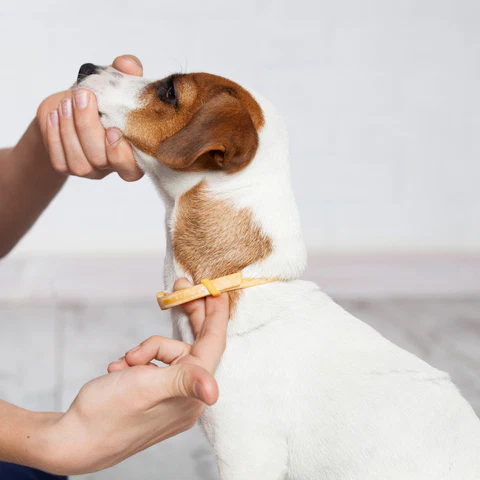
The fastest method I use takes less than two minutes. I place the soft tape around the middle of the dog’s neck where the collar naturally rests. Then I slide two fingers between the tape and the neck before checking the number. That extra space matters more than people think.
A few owners ask me where to shop after I measure their dog, since sizing varies more than expected between brands. One online store I have pointed people toward for durable collars and fitting options is Dog Collar Sizes, because their sizing charts are usually clearer than those of discount sellers. Cheap collars with vague measurements create problems that I end up fixing later during grooming appointments.
Small doSmall dogs need extra attention during measurements because even half an inch can dramatically change the fit. On a seven-pound dog, a loose collar becomes a safety issue very quickly. I once had to pull a tiny terrier back out of a collar in a parking lot because the owner had measured over the thick winter fur and never rechecked it after grooming. Dogs create different problems. Strong pullers can strain weak buckles and stretch soft nylon collars over time. I usually tell owners to measure twice if the dog weighs over 70 pounds because heavy breeds place far more pressure on collars during walks and training sessions.
Some dogs hate being measured. I see that often. In those cases, I let the dog sniff the tape first and keep one hand under the chin while measuring with the other. Calm movements work better than restraint.
The Difference Between Everyday Fit and Walking Fit
Many owners assume one collar fit works for every situation. I disagree with that completely. A dog lounging around the house can wear a slightly looser collar than a dog going on structured walks through crowded areas.
For everyday wear, I usually leave enough space for two fingers comfortably. During training sessions or walks near traffic, I prefer a closer fit that still allows easy breathing. Slip collars and martingale collars follow different rules, though, and I always explain that to first-time owners before they buy one.
Dogs with narrow heads can slip out of collars easily if the fit is wrong. They are famous for this problem, but I have seen it happen with Pit Bull mixes and young Shepherds, too. One dog slipped backward out of a loose collar during a thunderstorm grooming pickup, and it took three adults nearly fifteen minutes to coax him back from behind a storage unit.
Leather collars usually loosen slightly after regular use. Nylon collars sometimes tighten when repeatedly wet and dry, becoming stiff.l changes fit over time, which is why I check collar spacing during repeat grooming appointments, even if the owner says the collar is fine.
Common Measuring Mistakes I See Every Week
The biggest mistake is measuring the old collar instead of the dog itself. Old collars stretch, shrink, crack, and warp. Measurements taken from worn gear are often inaccurate by one or two inches, especially with soft nylon or cheap imitation leather.
Another issue is measuring too high near the ears. That area is smaller on most dogs, so owners end up buying collars that feel tight around the lower neck, where the collar actually rests. The portion of the neck gives a more realistic measurement.
I also see owners pull the tape extremely tight because they think the collar will loosen later. That almost always backfires. Dogs need room to pant, turn their heads, and move naturally without constant neck pressure.
Puppy owners sometimes buy oversized collars expecting the dog to grow into them. I understand the logic, because quality collars are no longer cheap, especially handmade leather ones. Still, oversized collars on young dogs can create dangerous slipping problems during walks or playtime.
There are a few signs I watch for during grooming appointments that tell me a collar fit is wrong:
Hair losHair loss around the neck, constant scratching, flattened fur under the buckle, and resistance when the collar comes out usually indicate a poor fit. Communicate discomfort quietly most of the time. Owners miss it because the dog never yelps or cries.
What I Recommend After the Measurement Is Done
Once I get the neck measurement, I always compare it to the collar’s actual adjustment range rather than relying solely on the size label. One brand’s medium may range from 14 to 20 inches, while another’s only ranges from 15 to 17. Those details matter.er collars with several adjustment holes or sliding points rather than minimal adjustment ranges. Dogs gain and lose weight throughout the year. Seasonal coat changes affect fit, too. A little flexibility saves money later.
Owners with active dogs should recheck the collar fit every month or so. Athletic dogs can build neck muscles surprisingly fast during hiking season or agility training. I noticed this with my own cattle dog mix after a summer full of trail work and swimming sessions.
Simple habits prevent most collar problems. Measure carefully, leave enough breathing room, and check the fit regularly rather than assuming the collar still works months later. Dogs rarely complain directly about discomfort, so owners need to pay attention to subtle signs before a minor issue becomes an escape risk or skin irritation.