
I run a small trap-and-release wildlife service in the edge communities outside central Texas, and over the years, I have spent many early mornings checking game cameras behind barns, in creek beds, and in fenced subdivisions. One question comes up almost every season from worried pet owners.
People want to know if bobcats really go after house cats or if that fear gets exaggerated online. From what I have seen firsthand, the answer sits somewhere between rare and very possible, depending on the area, the food supply, and how freely neighborhood cats roam after dark.
What I Have Seen Around Homes and Small Acreages
Most bobcats I come across are shy and hard to spot, even with cameras running for weeks at a time. They usually stick to rabbits, rats, squirrels, and whatever small prey is easiest to catch without wasting energy. Still, I have investigated several disappearances in which tracks, fur patterns, and trail footage strongly suggested that a bobcat took a domestic cat during the night. It does happen.
One property owner I worked with had three outdoor cats that wandered a few acres behind a horse pasture. Over the course of one winter, two vanished within about six weeks. We eventually caught a bobcat crossing the same fence line around 2 a.m., almost every night, moving through a drainage ditch that also held plenty of rabbits and quail.
People sometimes assume bobcats only stay deep in wooded areas, but suburban growth has changed that pattern in many places. New housing developments often push right into old hunting corridors. A bobcat can move through a backyard quietly enough that nobody notices until small pets begin disappearing.
I have also seen the opposite situation. Some neighborhoods have healthy bobcat populations and very few cat-related incidents. Food availability matters more than many people realize. If rodents and wild prey remain abundant, domestic animals may never become targets.
Why Outdoor Cats Face More Risk at Night
The biggest factor is timing. Bobcats are most active around dusk and before sunrise, which overlaps with the hours when many outdoor cats wander farthest from home. A house cat that weighs 8 or 10 pounds can look a lot like natural prey in low light, especially near brush piles or dry creek beds.
I sometimes point nervous homeowners toward regional wildlife reporting services and local tracking groups for updates about predator movement. One client last fall found useful trail camera advice through National Wildlife Federation resources before deciding how to secure their backyard at night. Small adjustments to feeding areas and fencing can significantly reduce encounters.
Several years ago, I checked cameras for a family living near a wooded greenbelt behind a newer subdivision. Their cat disappeared after slipping out through a damaged screen door one evening. The footage later showed a bobcat moving along the retaining wall less than an hour after the cat crossed the yard.
That kind of sequence stays with people. I understand why. Cats often feel independent and street-smart, especially those that have roamed outdoors for years without trouble. Predators change the equation fast.
Signs That Bobcats Are Active Near Your Property
Tracks are usually the first clue, though many people confuse them with large dog prints. Bobcat tracks tend to appear rounder, and claw marks often do not show because cats retract their claws as they walk. In sandy soil or damp dirt, I can usually identify them within a few seconds.
Another giveaway is silence. Areas packed with rabbits and birds suddenly go still when a bobcat settles nearby for several days. One ranch owner described it perfectly after I asked what had changed around his feed shed. He said the place “felt empty at night.” That detail matched what we later saw on camera.
People also hear strange vocal sounds during the breeding season, especially between late winter and early spring. The noise can resemble screaming or short, harsh yowls. I once had three separate calls in the same week from residents convinced someone was hurting animals behind their homes.
Outdoor feeding stations attract more than stray cats. Leaving bowls of food outside overnight can pull in raccoons, possums, coyotes, and eventually larger predators following the activity. I have seen bobcats circle areas repeatedly after noticing regular movement of prey near uncovered food sources.
How I Tell Clients to Protect Their Cats
The safest choice is simple. Keep cats indoors after sunset. That single habit reduces the number of encounters I get called about every year, especially in neighborhoods near woods, creeks, or undeveloped land.
Some cat owners resist that advice because their pets have always lived outside freely. I get it. Transitioning an older outdoor cat indoors can take patience and a few scratched-up window screens. Still, the risk changes once predators establish a route through the area.
If someone insists on outdoor access, I usually recommend enclosed cat patios or supervised yard time during daylight hours. Motion lights help a little, though experienced bobcats adapt quickly. Secure fencing matters more if it removes hiding cover near patios and back doors.
One family I worked with installed a six-foot fence extension and cleared dense brush behind their garage over a weekend. They also stopped leaving pet food out overnight. Their nighttime camera activity dropped noticeably within about two weeks, including visits from raccoons and one large bobcat we had tracked earlier.
Small pets disappear quietly. That surprises many people. There is rarely a dramatic struggle or loud commotion, especially with skilled predators that rely on quick ambushes.
Fear Often Grows Faster Than the Actual Threat
I try not to scare people unnecessarily because panic can lead to bad decisions about wildlife. Bobcats are not aggressive monsters roaming neighborhoods in search of pets. Most would rather avoid humans entirely, and many pass through residential areas without causing any problems.
Social media also muddies the conversation. A blurry nighttime photo spreads quickly, and suddenly every missing cat within ten miles gets blamed on bobcats, even when owls, coyotes, traffic, or disease may be more likely explanations. I have investigated plenty of cases where the evidence pointed in a completely different direction.
At the same time, dismissing the possibility helps nobody. If you live near wooded land, dry washes, desert edges, or livestock areas, predators are part of the environment whether people notice them or not. Outdoor cats exist lower on the food chain than many owners are willing to admit.
I still remember one older ranch couple who treated their barn cats almost like coworkers. They knew everyone by name and kept feed buckets lined up beside the tack room each evening. After losing two cats in one summer, they completely changed their routines and began bringing the remaining animals inside before dark. They hated doing it at first, but a year later, all of those cats were still around.
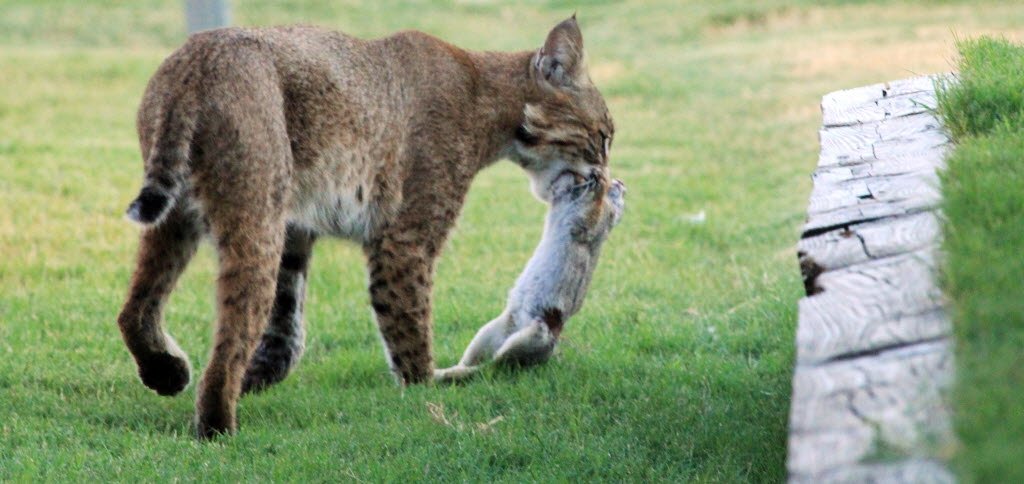
Most of the time, living alongside wildlife comes down to adopting realistic habits rather than fear. Bobcats are capable predators, and yes, they sometimes kill house cats. Keeping pets indoors at night, reducing hiding spots, and paying attention to local activity give people far better odds than assuming it could never happen in their neighborhood.