
I have worked as a private property security dog handler for several years, training and managing large breeds for clients who want real protection, not just a barking alarm. Dobermans come up in almost every serious conversation about guard dogs. I have trained a handful myself and evaluated many more that clients brought in with mixed expectations. Some people expect a flawless protector right out of the box, while others worry they are too aggressive to control. The truth sits somewhere in the middle.
What I See in Dobermans on Real Jobs
Dobermans are fast learners, and that becomes obvious within the first few weeks of structured work. I remember one client who brought in a young male that picked up perimeter routines in under ten sessions, which is quicker than most breeds I have handled. They are alert without being chaotic, and that balance matters when you need a dog that reacts with purpose rather than panic. Their posture alone can deter someone before anything escalates.
They are not lazy dogs. If a Doberman is under-stimulated, you will notice it in destructive behavior or restless pacing, especially during night hours when they should be calmly observing. I usually tell clients to expect at least an hour of structured activity daily, not just casual walks around the block. A bored Doberman is a liability, not a guard.
One thing that stands out is how closely they bond with one or two people. That connection strengthens their guarding instinct, but it also means they may ignore others’ commands if training is inconsistent. I have seen this happen more than once. It is fixable, but it takes discipline from the household.
Training Makes or Breaks the Guarding Instinct
I have worked with Dobermans that were excellent protectors, and I have also seen ones that were completely unreliable because the owner skipped proper training phases. One client once told me they learned a lot from doberman guard dog training tips before bringing their dog in, and that groundwork actually made the formal sessions much smoother. Early structure matters more than people think. You cannot improvise your way into a dependable guard dog.
Formal guard training is not about making a dog aggressive. It is about control. A well-trained Doberman should be able to switch from calm observation to active defense and back again without hesitation or confusion. That kind of control usually takes a few months of consistent work, sometimes longer depending on the dog’s temperament.
I usually break training into three parts. Basic obedience comes first, then controlled exposure to stimuli, and finally protection work under supervision. Skipping any of these stages creates gaps. Those gaps show up at the worst possible time.
Temperament Is Not One-Size-Fits-All
People talk about Dobermans as if they all behave the same way. That is not what I have seen in practice. Some are naturally confident and steady, while others are more sensitive and need careful handling to avoid fear-based reactions. I once evaluated two siblings from the same litter, and they had completely different responses to strangers.
This is why I always insist on evaluating the individual dog before assigning any serious guarding role. A nervous Doberman can become unpredictable, which is dangerous in a residential setting. Confidence matters more than raw intensity.
They read energy well. Very well. If the handler is anxious or inconsistent, the dog reflects that back in its behavior. I have watched calm dogs become reactive simply because the owner handled situations poorly. That is not the breed’s fault.
Physical Presence and Deterrence Value
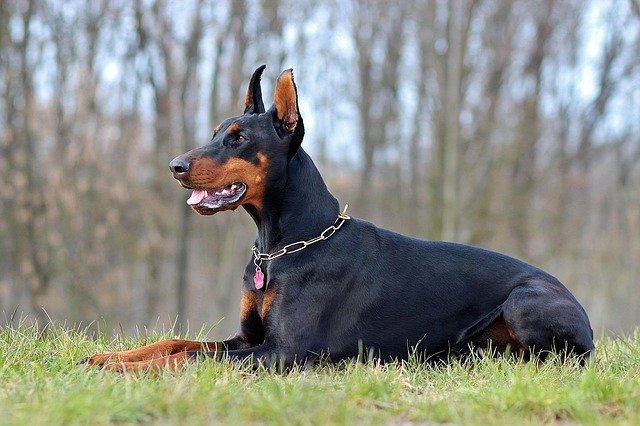
Dobermans have a natural advantage in their appearance and movement. Their lean build, upright posture, and focused stare create a strong visual deterrent without any action required. I have had clients report that trespassing dropped off within weeks of bringing a trained Doberman onto the property.
They are also quick. Really quick. In open spaces, I have seen them cover ground faster than larger, heavier breeds that people often assume are better for guarding. That speed becomes critical if the job involves perimeter patrol rather than just staying near an entrance.
However, they are not the heaviest hitters. If someone expects a dog to physically overpower a large intruder, there are other breeds better suited for that role. Dobermans rely more on speed, precision, and intimidation than brute force.
Common Mistakes I See Owners Make
A few patterns keep coming up among Doberman owners. These mistakes usually limit the dog’s effectiveness or create unnecessary risks.
First, people assume natural instinct is enough. It is not. Second, they neglect socialization, leading to overreactions in normal situations. Third, they reward the wrong behaviors, like uncontrolled barking, thinking it means the dog is doing its job. That kind of misunderstanding creates confusion for the dog.
I also see owners rely too much on the dog without securing the environment. A guard dog should be one layer of protection, not the only one. Locks, lighting, and awareness still matter.
Are They the Right Choice for Most Homes?
I do not recommend Dobermans to everyone. They need time, structure, and a handler who is willing to stay consistent for months, not just weeks. If someone wants a low-maintenance guard dog, this is not the breed I suggest.
That said, in the right setup, they are one of the most balanced protection dogs I have worked with. They are alert without being uncontrollable, responsive without being stubborn, and loyal in a way that builds real trust between dog and handler. That combination is rare.
I have seen Dobermans fail. I have seen them excel. The difference almost always comes down to the human on the other end of the leash.
If you are willing to put in the work, they will meet you there. If not, they will show every gap in your approach.