
I run a small dog training and conditioning program out of a fenced field on the edge of town, and over the years, I have clocked more sprints than I can count. Clients often ask me how fast their dog really is, especially after watching a sudden burst across the yard. The answer is rarely simple because most dogs fall somewhere between casual jogger and short-distance sprinter. I have seen lazy-looking dogs surprise their owners with a quick dash that barely lasts five seconds. Speed shows up in flashes.
What “Average Speed” Really Looks Like
Most healthy adult dogs I work with top out at 15-20 miles per hour during a short sprint. That number comes from practical observation rather than lab testing, and it varies depending on the dog’s size, build, and overall fitness. A medium-sized mixed breed tends to land right in that middle range, especially if it gets regular exercise but is not trained for speed. Small dogs often run faster than people expect, but they usually cannot hold that pace for long.
I remember a customer last spring who insisted his stocky dog was slow because it preferred lounging most of the day. We let the dog off leash in a safe area, and within seconds, it hit a pace that would surprise most casual runners. It did not last long. Ten seconds later, it slowed to a trot, panting hard. That pattern is typical for the average dog.
Endurance and speed are rarely equal in everyday dogs. A dog that can maintain 10 miles per hour for a few minutes may struggle to hit 18 even once. Another dog might hit 20 in a straight line but burn out almost immediately. Most pets live somewhere between those two extremes.
What Affects How Fast a Dog Can Run
Breed plays a major role, even if the dog is a mix. Dogs with long legs, flexible spines, and lean bodies tend to move faster than compact breeds with heavier builds. Age matters too. A young adult dog in peak condition will outrun an older dog nine times out of ten.
Owners who want to understand their dog’s limits sometimes track performance over time, and I often suggest basic conditioning drills, along with guidance from resources that explain safe ways to build speed without risking injury. Many people push too hard, too fast, especially after seeing a single burst of energy. That usually leads to fatigue or minor strains rather than improvement. Consistency beats intensity here.
Surface also changes everything. Grass offers grip but slows the dog slightly, while packed dirt can increase speed if the dog is confident. I have tested dogs on both surfaces within the same session, and the difference can reach a few miles per hour in short bursts. Slippery ground cuts speed quickly because dogs hesitate to push off fully.
Weight is another factor that owners underestimate. Even a few extra kilograms can reduce a dog’s sprint speed and shorten its endurance window. I have seen noticeable improvements in speed after a dog lost modest weight through a controlled diet and regular movement. The change is not dramatic, but it is clear.
How Average Dogs Compare to Fast Breeds
There is a big gap between the average dog and the fastest breeds. A Greyhound can reach speeds over 40 miles per hour in ideal conditions, which is more than double what most household dogs can manage. That kind of speed comes from generations of selective breeding focused on sprinting ability. Most dogs simply are not built for that.
Even within faster breeds, not every individual performs at peak levels. I have worked with retired racing dogs that barely showed interest in running after a few years of a quieter life. On the other hand, I have seen mixed breeds with no clear pedigree push well past 20 miles per hour in short bursts. Genetics set the ceiling, but behavior and environment decide how close a dog gets to it.
Owners sometimes compare their dog to online videos of high-speed chases and feel disappointed. That comparison rarely holds up in real conditions. Those videos usually show trained dogs, perfect surfaces, and a strong motivation to run. Your backyard is not that setting.
Short Bursts vs Sustained Running
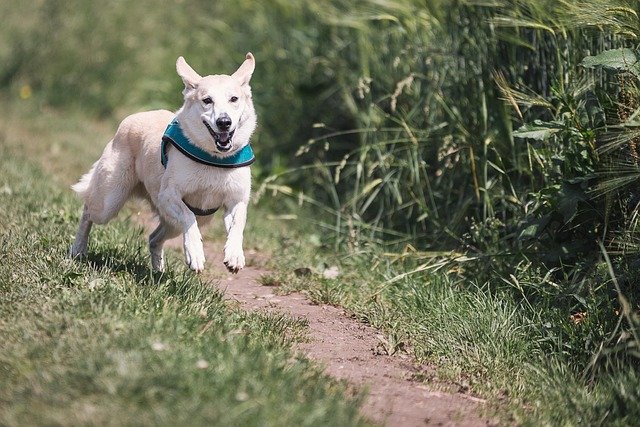
Speed in dogs usually comes in short bursts rather than sustained runs. Most average dogs can sprint at top speed for about 5 to 15 seconds before slowing down. After that, they settle into a pace that feels comfortable, often closer to a brisk human jog. This pattern is normal and healthy.
I often set up simple drills where a dog runs between two points about 20 meters apart. It sprints at full speed for the first stretch, then gradually reduces pace on the return. The difference is easy to see even without a stopwatch. Owners notice it right away.
Recovery time matters just as much as the sprint itself. A dog that recovers quickly between runs may not have the highest top speed, but it can stay active longer. That balance is often more useful in everyday life than raw speed alone. Fast does not always mean better.
How I Measure Speed in a Practical Way
I keep things simple when measuring speed in my field sessions. A distance of 30 meters works well, and I use a basic timer to track how long it takes the dog to cover it. The numbers are not perfect, but they give a consistent reference point. Precision is less important than repeatability.
Dogs rarely run in a straight line unless they are encouraged to do so. Distractions can slow them down or cause them to change direction mid-run. I usually use a toy or a recall cue to keep the path straight. Even then, each run looks slightly different.
Owners sometimes expect a single test to define their dog’s speed. It does not work that way. I prefer to record three to five runs and focus on the general pattern rather than a single standout result. That gives a more honest picture of what the dog can actually do.
The average dog sits comfortably in that mid-range of speed, showing flashes of quick movement without sustaining it for long. That is part of what makes working with them interesting, because no two runs feel exactly the same, even with the same dog on the same field.