
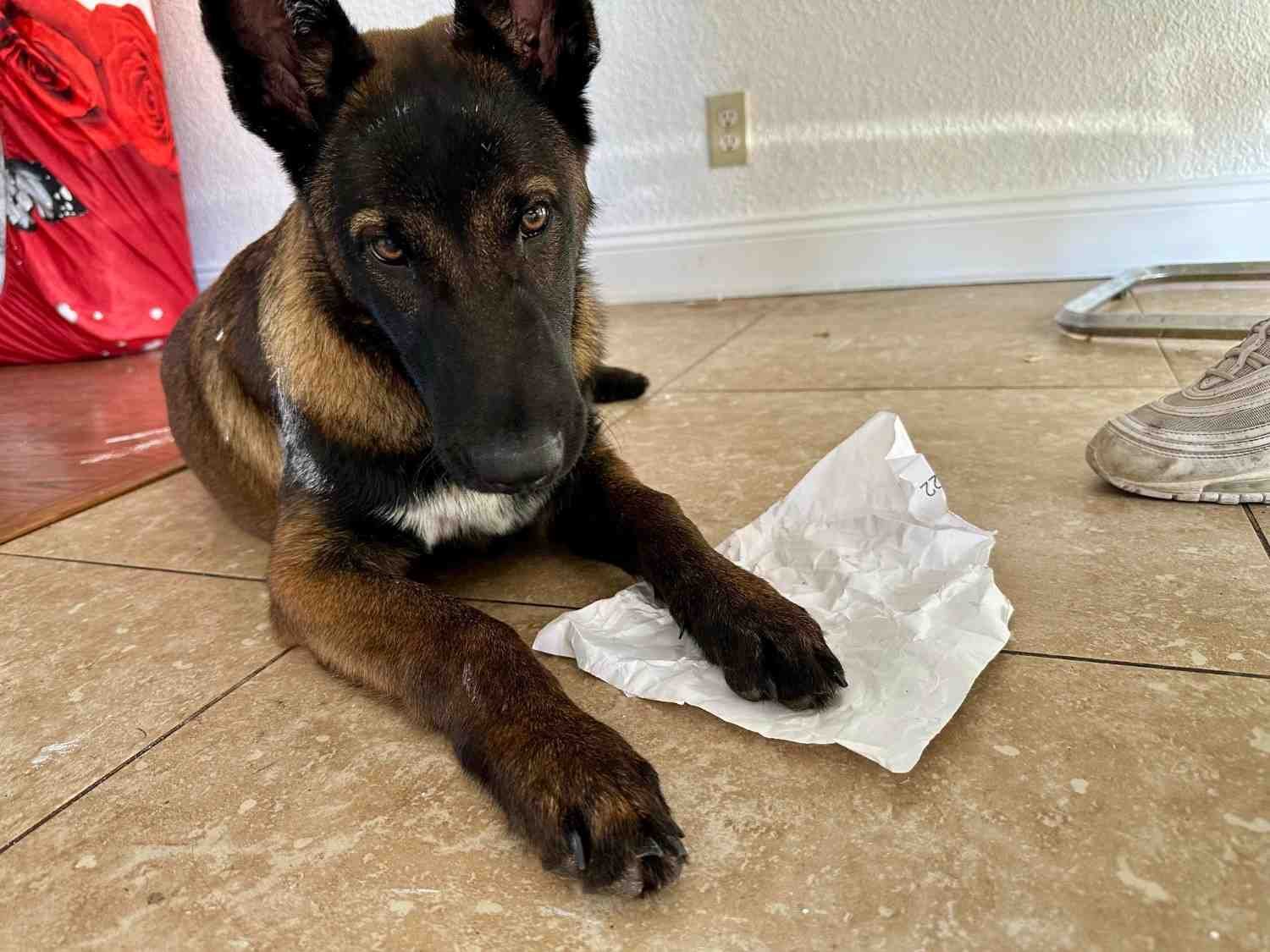
I run a small mobile dog grooming van and spend most of my week cleaning up messes that never show up in the brochure photos. Paint in a dog’s coat is one of those problems that looks simple from a distance but can turn into a real headache if you rush it. I have seen everything from a light smear on a paw to a full side coated after a curious dog brushed against a freshly painted fence. Over time, I learned that the approach matters more than the product you grab first. If you go wrong, you can make the situation worse in under five minutes.
What Kind of Paint Are You Dealing With
The first thing I do is figure out what type of paint I am looking at. Water-based paint behaves very differently from oil-based paint, and that one detail decides the entire plan. If it is still wet, you have a much easier job, especially with water-based products. Once the paint dries, it bonds to the fur and starts acting more like glue than liquid.
I usually ask the owner a couple of quick questions while I check the coat. Was it wall paint, wood stain, or something like enamel used on metal surfaces? Even if they are not sure, the smell and texture give me clues. Oil-based paint often has a strong chemical scent that lingers on your hands for hours, while water-based paint feels lighter and comes off a bit more easily with plain water.
There is no shortcut here. If you skip this step, you risk spreading the paint deeper into the coat or irritating the dog’s skin with the wrong solvent. I once had a case where someone tried to scrub oil paint out with water alone for nearly 20 minutes. It only pushed the paint deeper into the undercoat, making cleanup twice as hard.
My Step-by-Step Method in the Van
I always start with restraint and patience because a stressed dog will make the job harder. If the paint is fresh and water-based, I rinse it with lukewarm water for about 5 minutes before touching anything else. This softens the paint and loosens its grip on the fur. Then I use a mild dog shampoo and work it in gently, keeping my strokes in one direction to avoid tangling the coat.
For tougher cases, I sometimes guide owners toward pet grooming services if they feel unsure about handling chemicals or heavy matting at home. It is better to get help than risk hurting the dog’s skin. Back in the van, I switch to a small amount of pet-safe oil, like coconut or mineral oil, when dealing with oil-based paint. I let it sit for about 3 to 4 minutes so it can break down the paint before I start working it out with my fingers.
After that, I use a fine comb and go section by section. I never rush this part. If the paint is stubborn, I reapply a bit of oil rather than pulling at the fur. Dogs remember pain, and one bad experience can make future grooming sessions difficult. Slow is fast here.
When Cutting the Fur Is the Better Choice
Some situations call for scissors or clippers, and I do not hesitate when I see them. If the paint has dried into a thick patch or glued multiple strands together, trying to comb it out can cause real discomfort. In those cases, trimming a small section is safer and cleaner. Fur grows back. Skin damage takes longer to heal.
I usually explain this to the owner before I start. Most people worry about how their dog will look, but they relax once they understand the trade-off. I had a golden retriever come in last winter with a chunk of dried paint about the size of a tennis ball on its hind leg. We trimmed it out in under 10 minutes, and the dog walked away comfortable rather than stressed.
There is a balance here. You do not shave blindly. I use guarded clippers or small grooming scissors and work carefully around the edges. Precision matters more than speed in this step.
What I Never Use on a Dog’s Coat
Over the years, I have seen people try some risky solutions. Paint thinner, acetone, and strong household cleaners show up more often than you would think. These products might remove paint, but they can also irritate or even burn a dog’s skin. That is not a risk I am willing to take.
Even dish soap can be too harsh if used repeatedly or left on too long. Dogs have a different skin pH than humans, and stripping their natural oils can lead to dryness and itching within a day or two. I stick with products made for pets or simple oils that I know are safe in small amounts. It keeps the process controlled and predictable.
Less is more here. That rule saves trouble.
Aftercare Matters More Than People Think
Once the paint is out, I am not done. I always rinse the coat thoroughly and follow up with a conditioning treatment. This helps restore moisture and keeps the fur from becoming brittle after all that handling. A short brushing session afterward keeps the coat smooth and prevents small tangles from forming where the paint was applied.
I also tell owners to watch the area over the next 24 hours. If the skin looks red or the dog starts scratching more than usual, it might need a gentle rinse or even a quick check by a vet. Most of the time, though, if the cleanup is done carefully, there are no lingering issues.
Prevention is easier than cleanup. Keeping dogs away from fresh paint seems obvious, but I have seen how quickly curiosity can take over. A fence, a door, or even a paint tray left on the ground can turn into a mess in seconds.
Every case is a little different, but the approach stays the same. Stay calm, work in stages, and respect the dog’s comfort. That mindset has saved me more time than any product sitting on my shelf.