
Subcutaneous fluid therapy is used for cats that are dehydrated or suffering from kidney disease or other chronic conditions. It involves giving fluids under the skin to maintain hydration and support organ function. Many cat owners feel nervous when learning this procedure, but with guidance and practice, it becomes more manageable.
Understanding Subcutaneous Fluid Therapy
Do not inject subcutaneous fluids into a vein. Place them under the skin so the body slowly absorbs them. Home use is common after a vet’s recommendation. This method is safer and easier for long-term care.
Cats with kidney disease may need fluid support two to three times a week, depending on the vet’s advice. Each session takes 10 to 20 minutes. The amount depends on the cat’s condition and weight.
Signs that a cat may need fluids include dry gums, low energy, and loss of appetite. These symptoms indicate dehydration or progression of illness. Veterinary diagnosis is always required before starting treatment. Never begin fluid therapy without professional instruction.
Care starts with guidance. Safety comes first.
Preparing for the Procedure
Before giving fluids, preparation is important to reduce stress for both the cat and the owner. Gather all necessary supplies, including fluid bags, IV tubing, and needles. Keep everything clean and ready before starting. A calm environment also helps the process go smoothly.
Veterinary clinics and educational resources, like how to give cats subcutaneous fluids, provide step-by-step demonstrations that help owners understand proper technique and avoid common mistakes. These guides are useful for learning correct handling and improving confidence before performing the procedure at home. Watching trained professionals can make the process less intimidating.
Pick a quiet, distraction-free room. Some owners prefer a table or counter; others sit on the floor. Choose what feels best. A relaxed cat is easier to handle.
Warm the fluid bag slightly if recommended by a vet. Cold fluids may cause discomfort. Always check the temperature before use. Small details improve the experience.
Stay calm. Cats sense tension.
Step-by-Step Process of Giving Fluids
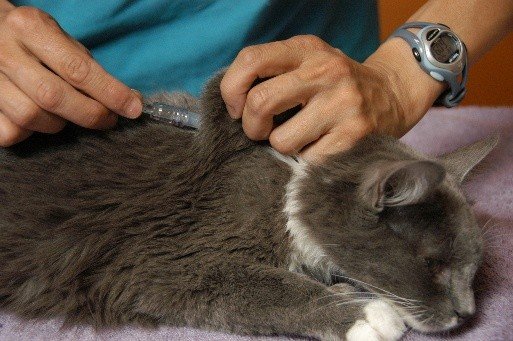
The procedure begins by gently restraining the cat. Most cats tolerate fluids better when they are calm or when they are lightly held by another person. Speak softly and avoid sudden movements. This helps reduce stress during the process.
Next, locate the loose skin between the shoulder blades or slightly lower along the back. This area is commonly used because it has sufficient space to safely hold fluid. Gently lift the skin to form a small “tent.” This creates the pocket where fluids will be placed.
Insert the needle carefully into the skin fold at a shallow angle. Once inserted correctly, fluids will begin to flow into the space under the skin. The process should feel smooth, and there should be no resistance if done properly. Always monitor your cat’s reaction.
Slow flow is important. Rushing can cause discomfort.
A small swelling under the skin during administration is normal. This means fluids are collecting correctly. The body absorbs them in a few hours. The swelling should not hurt your cat.
Here are basic steps to remember:
– Prepare all equipment in advance
– Calm and gently hold the cat
– Lift skin to form a tent
– Insert the needle carefully
– Allow fluids to flow slowly
After finishing, remove the needle gently and press the area lightly. Some leakage may occur, but it is usually minor. Dispose of used materials safely and clean the area. Hygiene is important.
Aftercare and Monitoring Your Cat
After the fluid session, observe your cat for a few minutes. Most cats return to normal behavior quickly, though some may rest more than usual. This is normal after the procedure.
A soft lump may appear where fluids were given. It spreads and disappears within several hours and is not a concern unless it lasts too long. Monitoring ensures your cat is recovering as expected.
Keep track of your cat’s overall condition over time. Improved energy, better appetite, and a healthier coat can show that fluids are helping. Regular observation allows early detection of any problems. Communication with your vet remains essential.
If your cat is in pain, swelling is not going down, or you notice unusual behavior, call your vet right away. These may mean complications. Quick action prevents more serious problems.
Consistency matters. Routine care improves comfort.
Building Confidence and Reducing Stress
At first, giving subcutaneous fluids may feel difficult. Many owners worry about hurting their cat or making mistakes. These feelings are normal. Confidence grows with practice.
Creating a routine helps both the owner and the cat adjust. Performing the procedure at the same time and place builds familiarity, which reduces anxiety.
Positive reinforcement also helps. Offering praise or a treat after the session creates a better association over time, encouraging cooperation. Patience leads to success.
Do not rush the process. Take small steps. Even experienced owners work carefully. Learn from mistakes rather than fear them.
With guidance, patience, and proper veterinary support, giving subcutaneous fluids becomes a manageable part of caring for a cat with medical needs. This routine helps improve comfort, hydration, and overall quality of life while strengthening the bond between owner and pet.